As a parent, it’s natural to want the best for your child, and that includes ensuring they maintain a healthy weight. With the rising rates of childhood obesity, it’s more important than ever to keep track of your child’s growth and development. One tool that can help you do this is the Pediatric Body Mass Index Percentile Chart. This chart is used by pediatricians and healthcare professionals to track a child’s weight and height, and to determine whether they are at a healthy weight for their age and height.
The Pediatric Body Mass Index Percentile Chart is a useful tool for parents, as it allows them to monitor their child’s growth and development over time. By tracking their child’s weight and height, parents can identify any potential issues early on, and work with their pediatrician to develop a plan to get their child back on track. The chart is also a great way to teach children about the importance of healthy eating and exercise, and to encourage them to develop healthy habits that will last a lifetime.
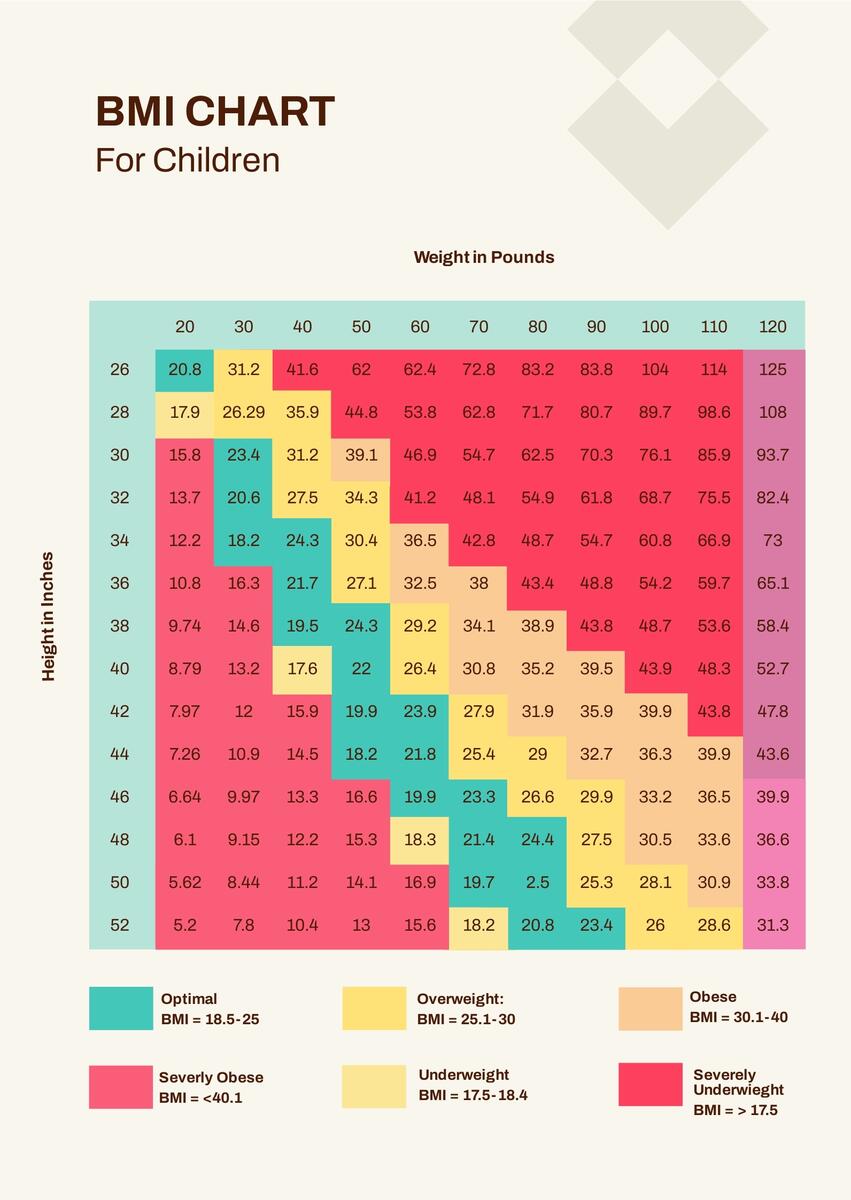
BMI Chart For Children In PDF Download Template
What is a Pediatric Body Mass Index Percentile Chart?
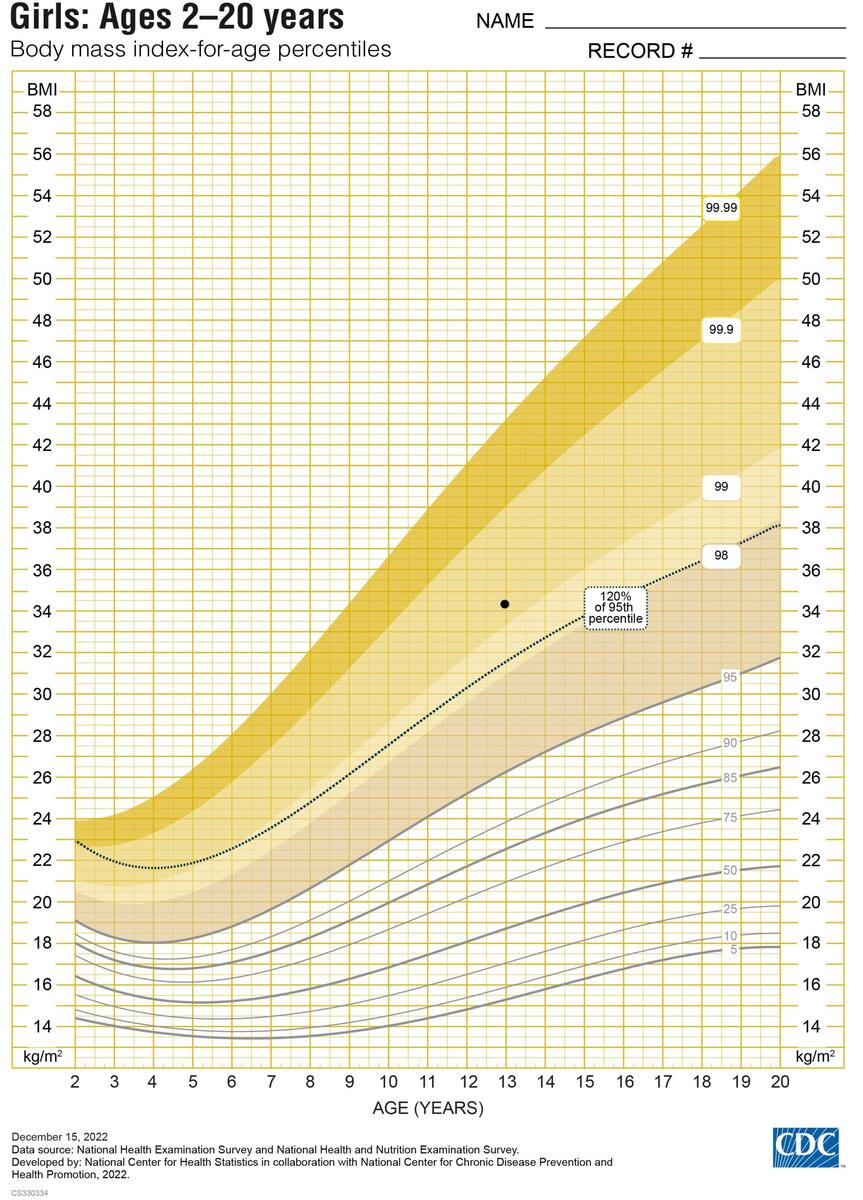
A Pediatric Body Mass Index Percentile Chart is a graph that shows the relationship between a child’s weight and height, and is used to determine their body mass index (BMI). The chart is divided into percentiles, which show where a child’s BMI falls in comparison to other children of the same age and sex. For example, a child who is at the 50th percentile for BMI is at a healthy weight, while a child who is at the 95th percentile may be at risk for obesity.
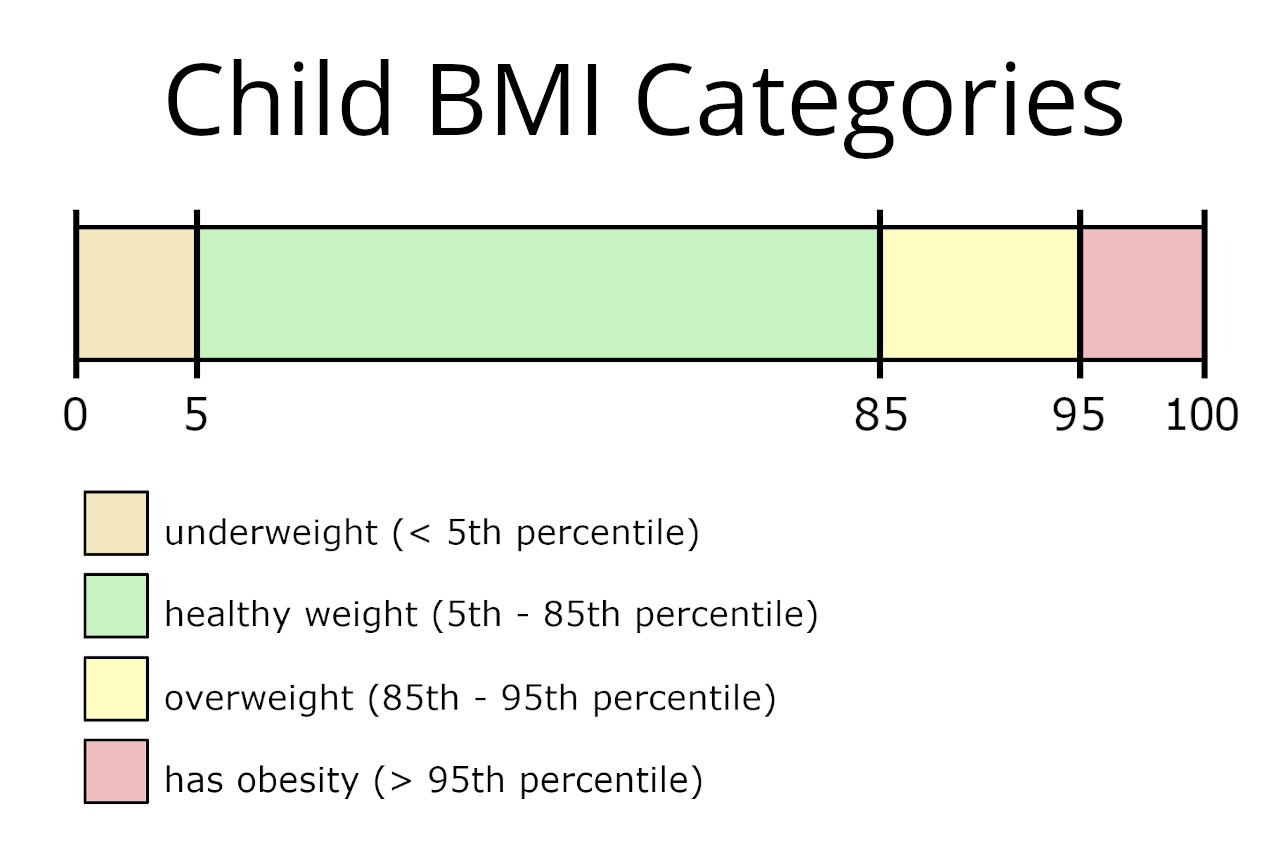
Child Teen BMI Calculator Inch Calculator
How to Use the Chart
Using the Pediatric Body Mass Index Percentile Chart is relatively straightforward. To use the chart, you’ll need to know your child’s weight and height, as well as their age and sex. You can then plot these values on the chart to determine your child’s BMI percentile. It’s a good idea to consult with your pediatrician to ensure that you’re using the chart correctly, and to get their interpretation of the results.
Interpreting the Results
Interpreting the results of the Pediatric Body Mass Index Percentile Chart can be a bit tricky, but it’s essential to understanding your child’s health. If your child’s BMI percentile is between the 5th and 85th percentiles, they are likely at a healthy weight. However, if their BMI percentile is below the 5th percentile, they may be underweight, while a BMI percentile above the 95th percentile may indicate that they are overweight or obese. By understanding the results of the chart, you can work with your pediatrician to develop a plan to help your child achieve and maintain a healthy weight.
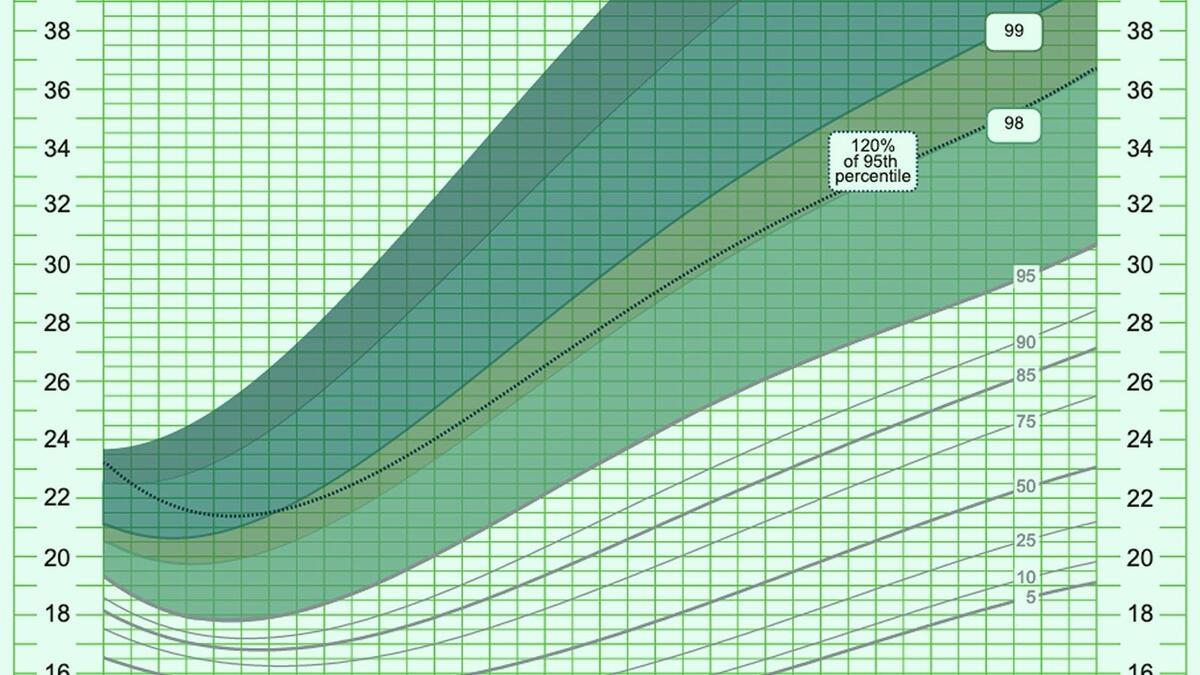
Extended BMI Charts Help Address The Pediatric Obesity Crisis MedPage Today
By using the Pediatric Body Mass Index Percentile Chart, parents can take a proactive approach to their child’s health and well-being. By tracking their child’s growth and development, and identifying any potential issues early on, parents can help their child develop healthy habits that will last a lifetime. Whether you’re concerned about your child’s weight, or simply want to ensure they’re growing and developing at a healthy rate, the Pediatric Body Mass Index Percentile Chart is a valuable tool that can help you achieve your goals.
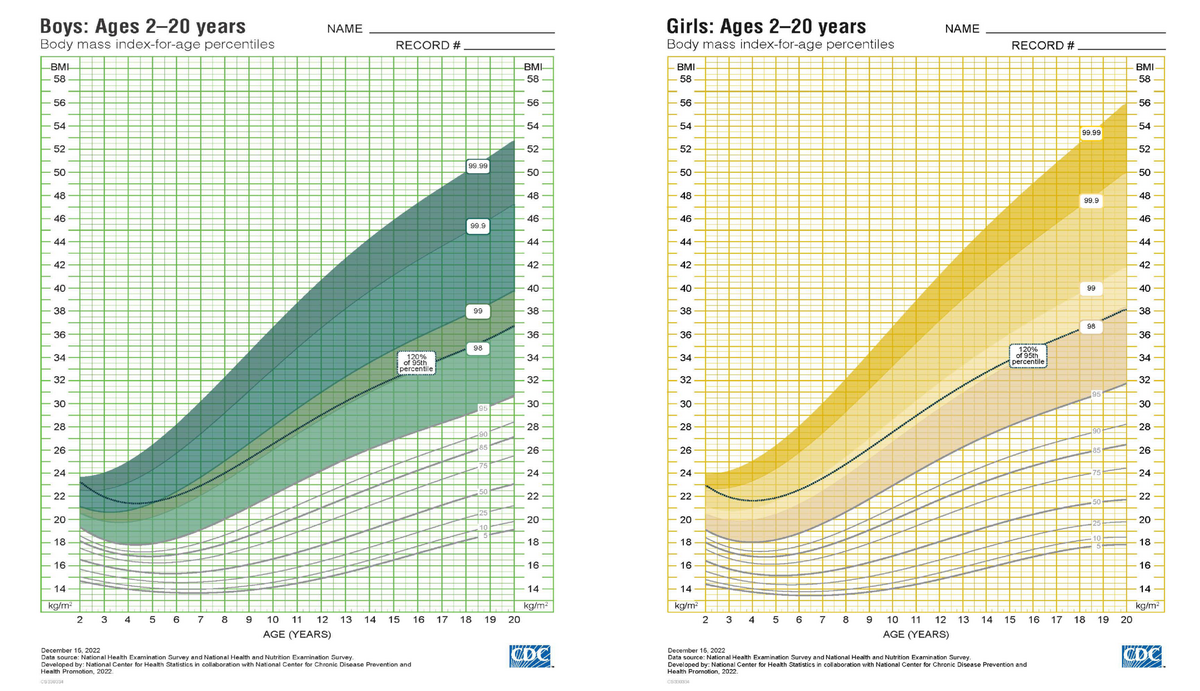
Background CDC Extended BMI For Age Growth Charts Growth Chart Training CDC
Plotting And Interpreting BMI For Age Growth Chart Training CDC