For women trying to conceive, understanding their body’s natural rhythms is crucial. One effective way to do this is by tracking basal body temperature, which can help identify the most fertile days of the month. A body basal temperature chart is a simple yet powerful tool that can help women take control of their fertility and increase their chances of getting pregnant. By monitoring subtle changes in temperature, women can pinpoint when ovulation occurs and time intercourse accordingly.
The concept of basal body temperature is based on the fact that a woman’s temperature rises slightly after ovulation, due to the increased production of progesterone. By tracking this temperature shift, women can determine when they are most fertile and plan accordingly. This method is often used in conjunction with other fertility awareness techniques, such as monitoring cervical mucus and tracking menstrual cycles. While it may seem old-fashioned, the body basal temperature chart remains a reliable and non-invasive way to track fertility.
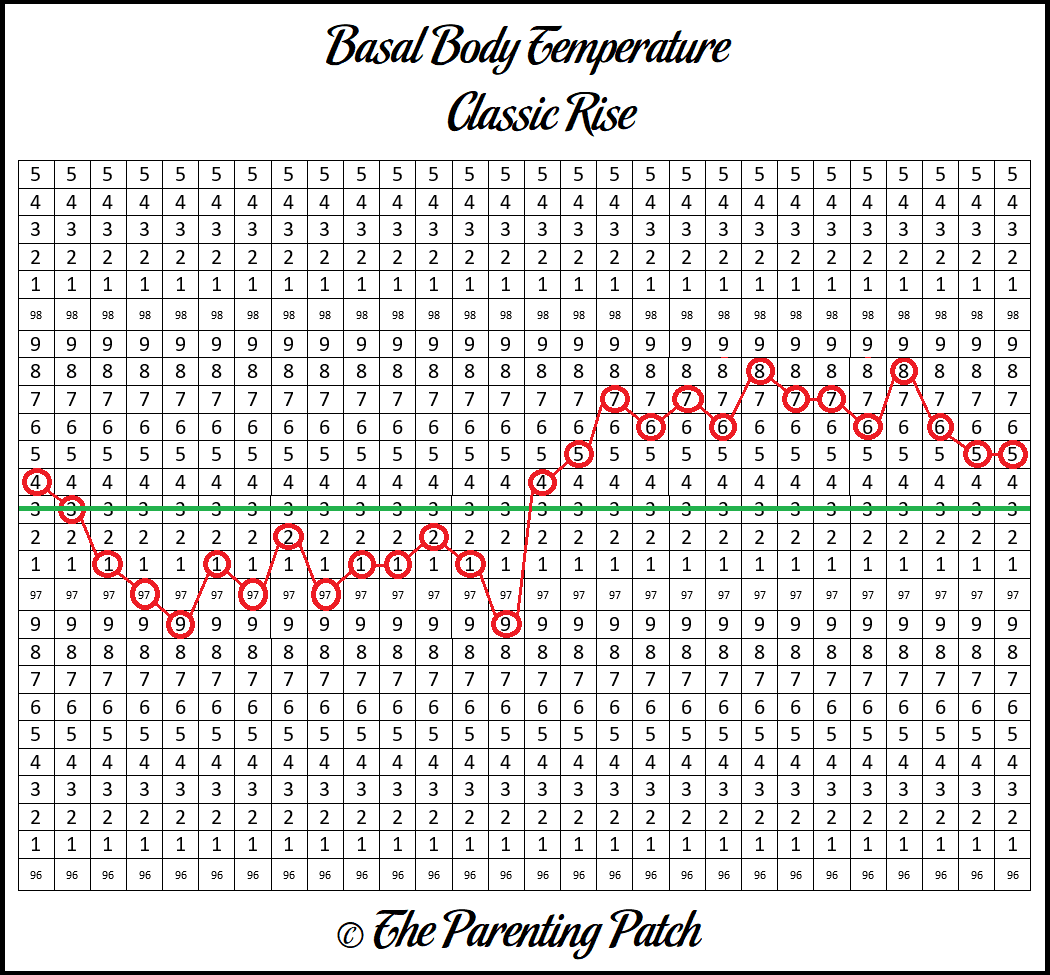
Basal Body Temperature Chart Patterns
What is a Body Basal Temperature Chart?
A body basal temperature chart is essentially a graph that plots a woman’s temperature readings over the course of her menstrual cycle. The chart typically includes space to record temperature readings, as well as other relevant information such as menstrual flow and any physical symptoms. To use a body basal temperature chart, women take their temperature at the same time every morning, before getting out of bed, using a basal thermometer. This specialized thermometer is designed to detect even slight changes in temperature, providing an accurate reading.
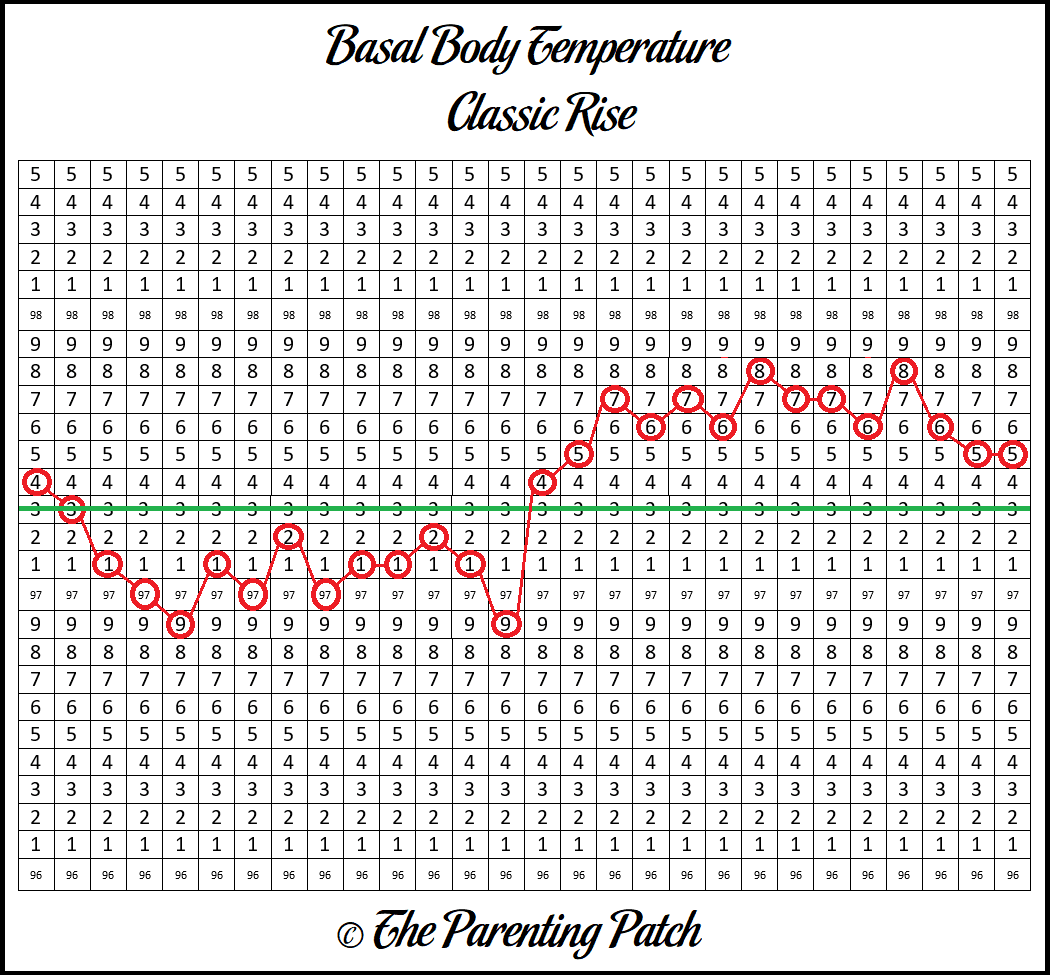
Basal Body Temperature Chart Patterns
How to Use a Body Basal Temperature Chart
Using a body basal temperature chart is relatively straightforward. Women take their temperature at the same time every morning and record the reading on the chart. It’s essential to take the temperature at the same time daily, as this ensures consistency and accuracy. The chart will typically show a dip in temperature just before ovulation, followed by a sharp increase after ovulation has occurred. By identifying this temperature shift, women can determine when they are most fertile and plan intercourse accordingly.
Interpreting Your Body Basal Temperature Chart
Interpreting a body basal temperature chart requires some practice, but the basic principles are simple. Women look for a temperature shift of at least 0.4°F (0.2°C) after ovulation, which indicates that progesterone levels have risen. The chart will typically show a clear pattern of temperature readings, with a rise in temperature after ovulation and a return to normal before the next menstrual cycle. By analyzing the chart, women can identify their most fertile days and time intercourse to coincide with ovulation.
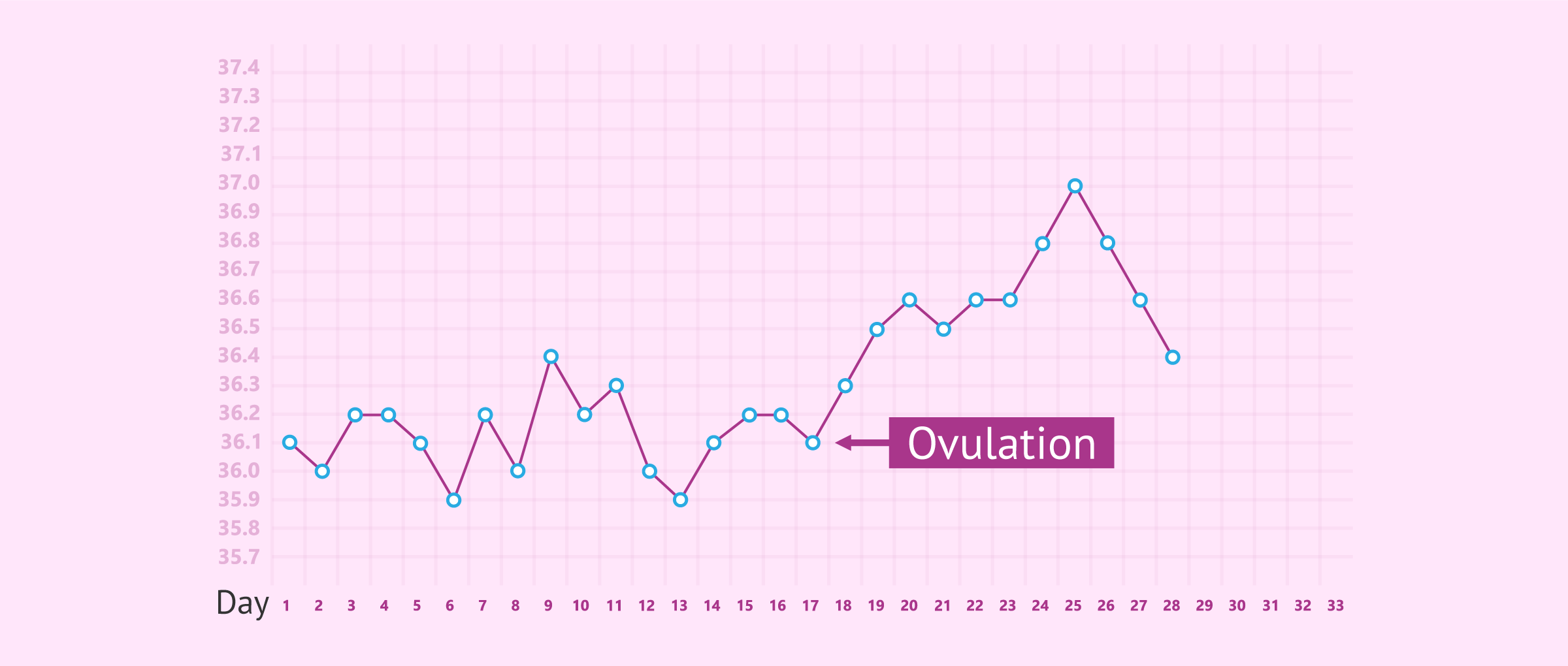
What Is The Basal Body Temperature Method And How Is It Performed
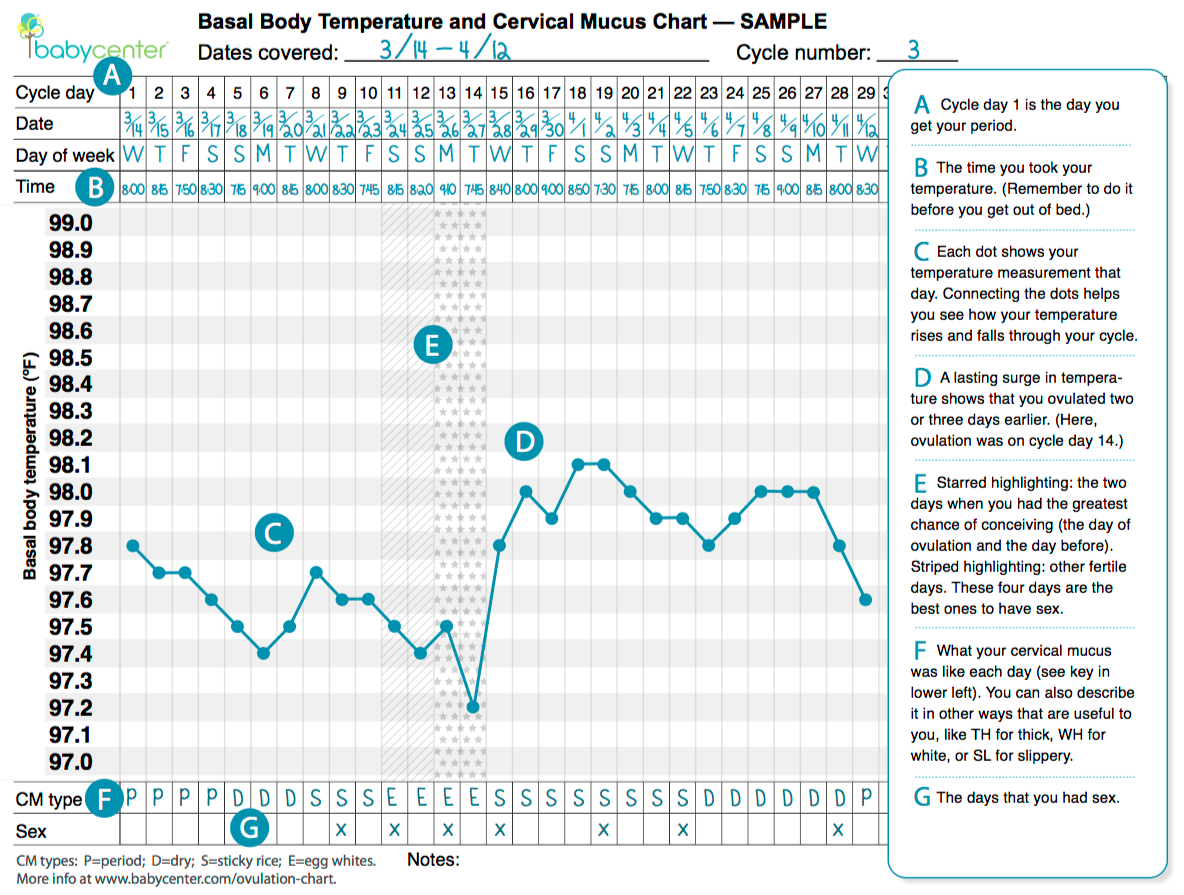
Get Pregnant Track Your Cycle Basal Body Temperature Charting Basics HolisticZen
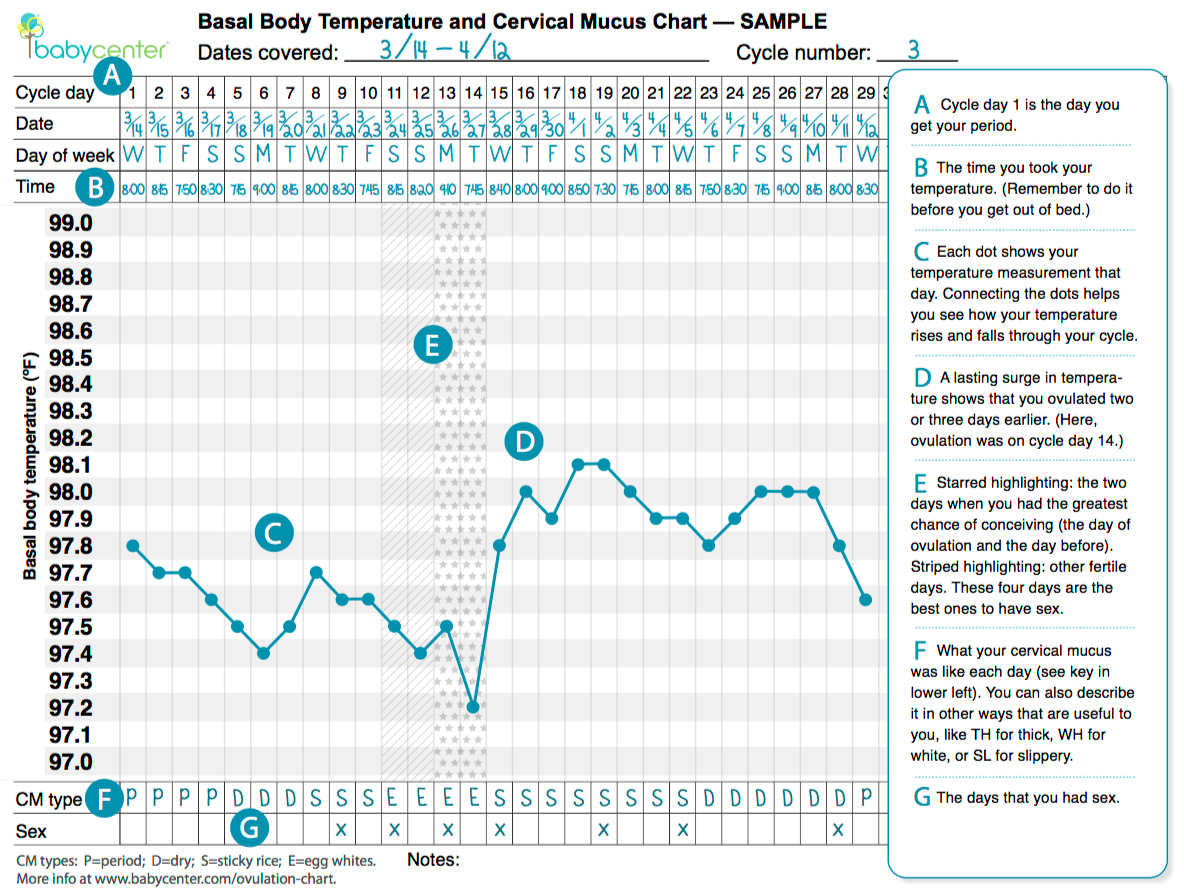
Get Pregnant Track Your Cycle Basal Body Temperature Charting Basics HolisticZen