Alcohol consumption is a common aspect of social gatherings and celebrations, but it’s essential to be aware of the risks associated with excessive drinking. One crucial factor to consider is your body weight, as it plays a significant role in how your body processes alcohol. A person’s weight can affect how quickly they become intoxicated and how long it takes for their body to metabolize the alcohol.
The effects of alcohol can vary greatly from person to person, depending on several factors, including their weight, age, sex, and overall health. For example, a person who weighs less may feel the effects of alcohol more quickly than someone who weighs more. This is because alcohol is distributed throughout the body based on weight, so a smaller person will have a higher concentration of alcohol in their system.
Is Alcohol Tolerance Genetic And Why It Could Be Dangerous
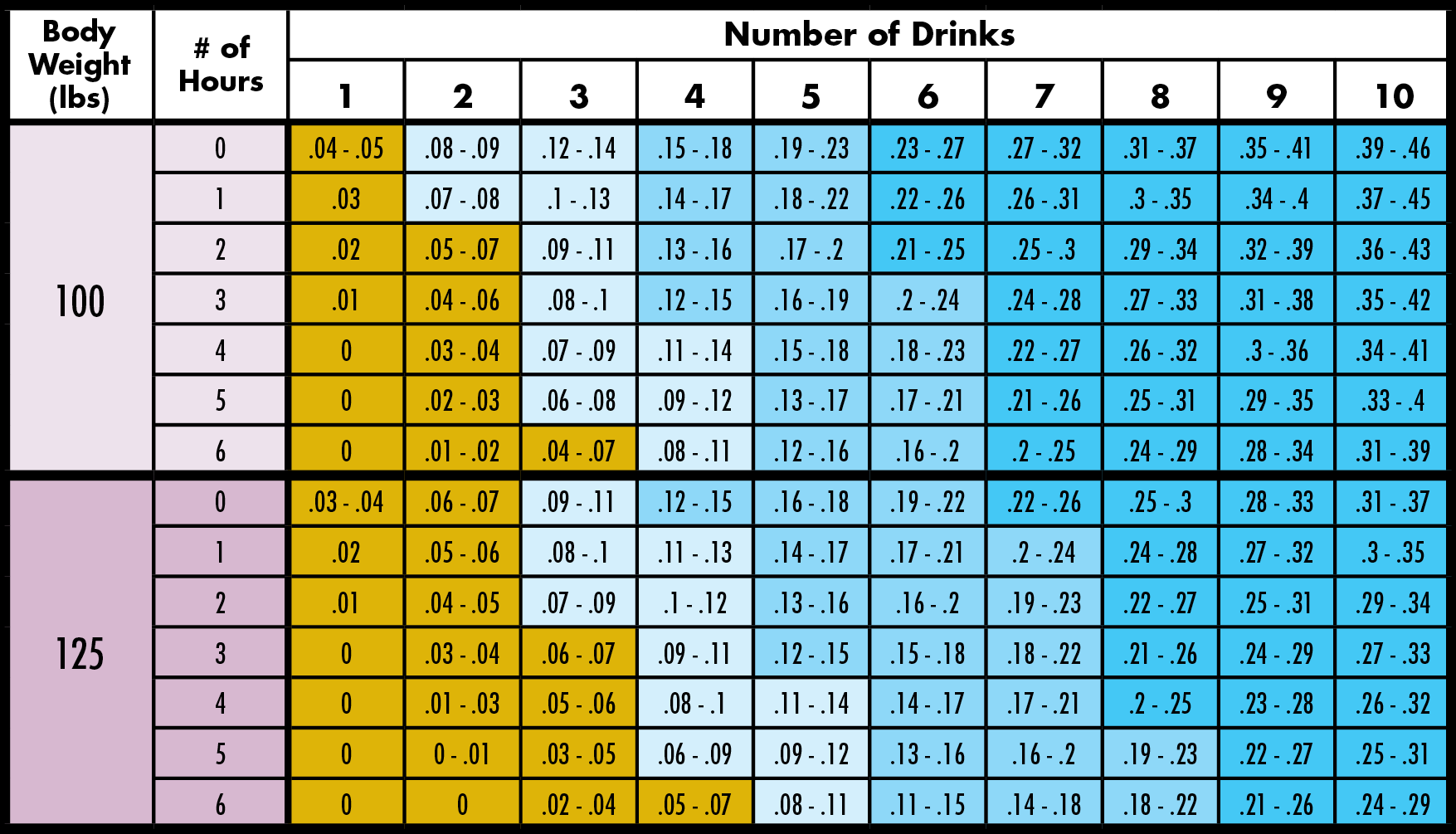
Understanding the Alcohol Chart
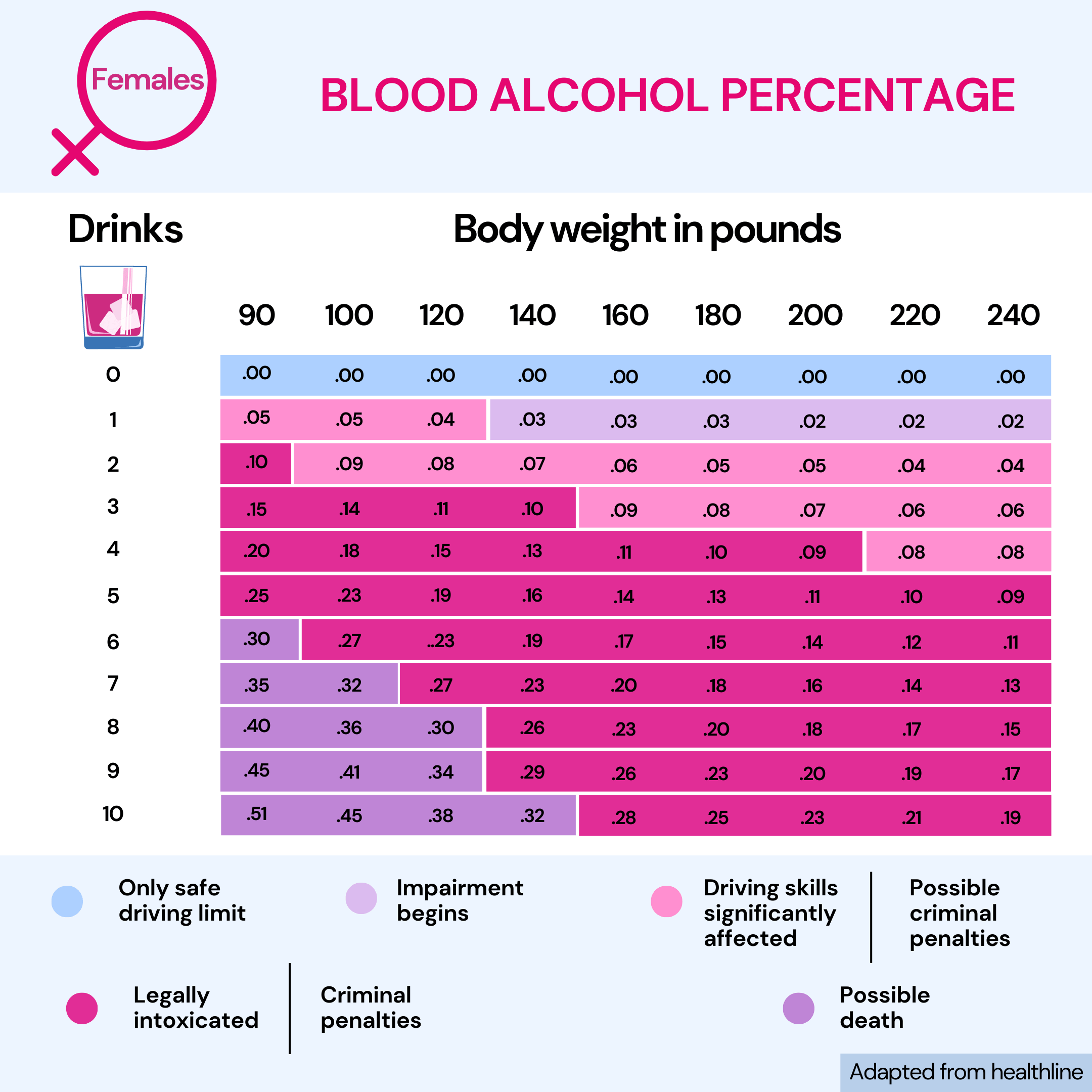
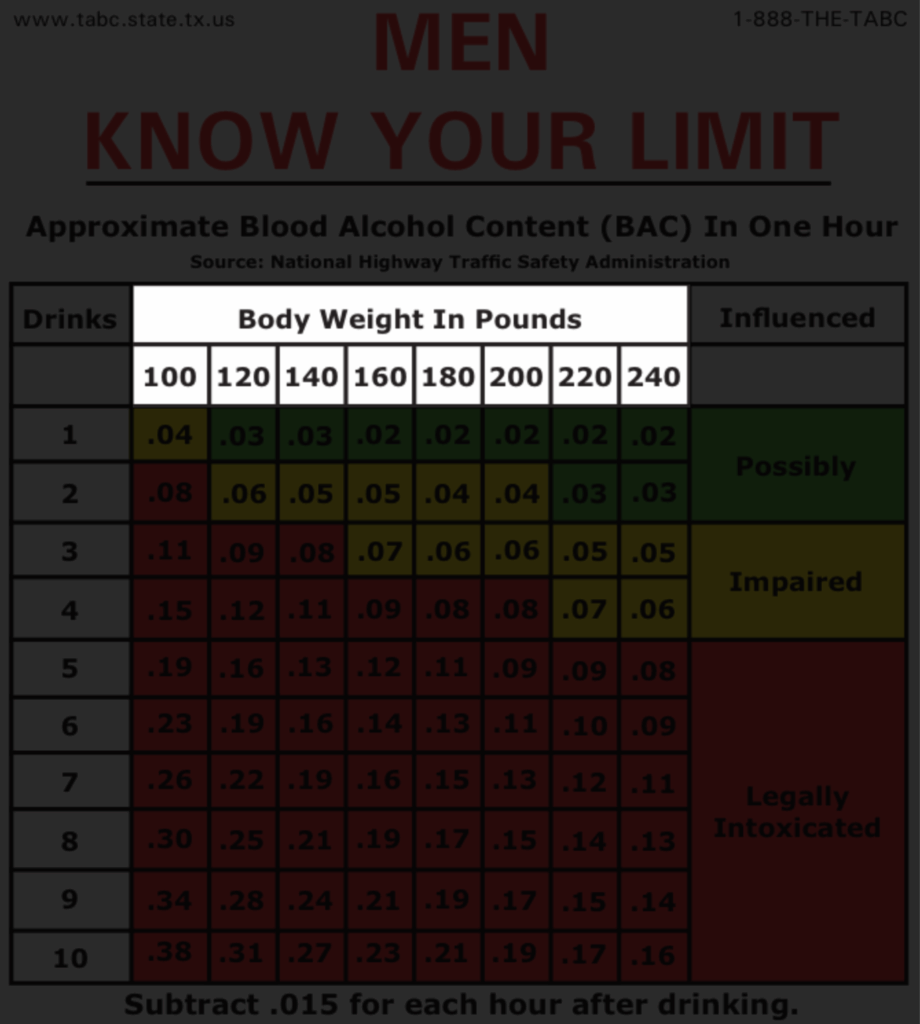
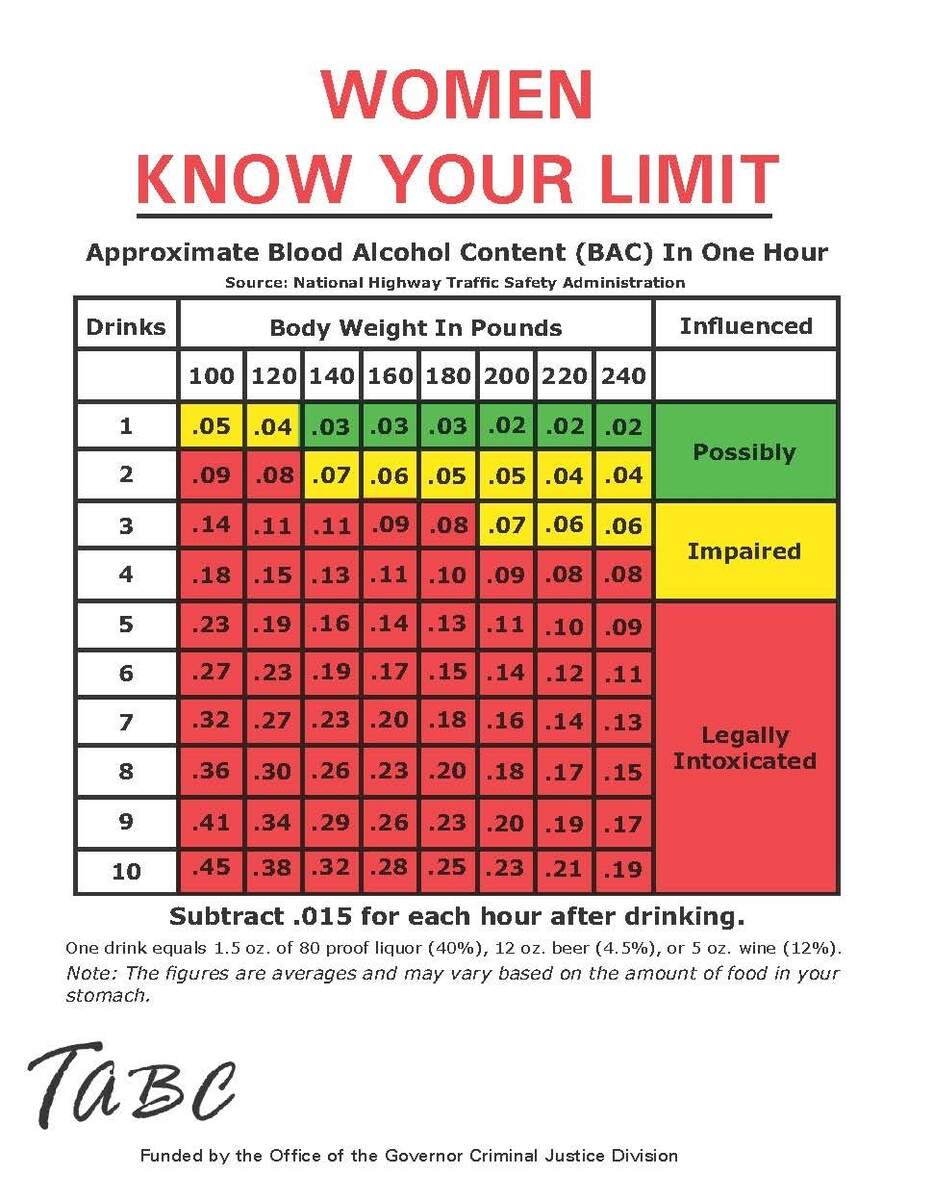
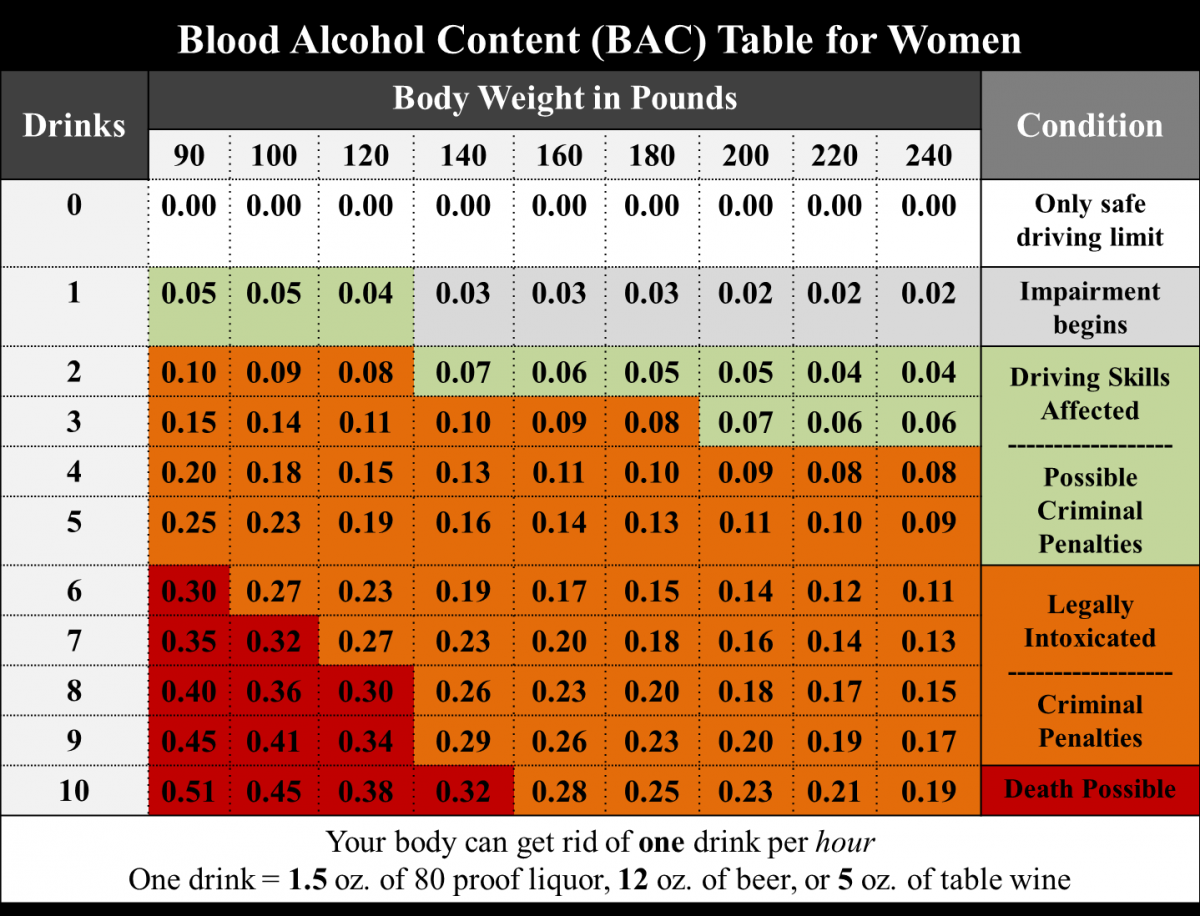
The alcohol chart is a useful tool for determining how many drinks you can safely consume based on your body weight. The chart typically takes into account the type of drink, its alcohol content, and the person’s weight to provide an estimate of their blood alcohol concentration (BAC). By using the chart, you can make informed decisions about your drinking habits and avoid the risks associated with excessive alcohol consumption.
What Is The TABC Know Your Limit Blood Alcohol Chart
How Body Weight Affects Alcohol Consumption
When it comes to alcohol consumption, body weight is a critical factor to consider. A person’s weight can affect how quickly they become intoxicated, as well as how long it takes for their body to metabolize the alcohol. Generally, the less you weigh, the more susceptible you are to the effects of alcohol. This is why it’s essential to be mindful of your drinking habits and to pace yourself accordingly, especially if you’re a lightweight drinker.
Tips for Responsible Drinking
To drink responsibly, it’s essential to follow some basic tips. First, always eat before drinking to help slow down the absorption of alcohol into your bloodstream. Second, pace yourself by limiting the number of drinks you consume per hour. Third, stay hydrated by drinking water or other non-alcoholic beverages in between drinks. Finally, never drink and drive, and always have a designated driver or a plan for getting home safely.
Alcohol 101
By considering your body weight and using an alcohol chart, you can enjoy a night out with friends while minimizing the risks associated with excessive drinking. Remember to always drink responsibly, and never hesitate to reach out for help if you or someone you know is struggling with alcohol-related issues. With the right knowledge and precautions, you can have a fun and safe night out without compromising your health or well-being.
BAC And Binge Drinking Student Affairs
Watch Your BAC Safe Party