Horses, like humans, come in all shapes and sizes, and their body condition can vary greatly depending on factors such as breed, age, and level of activity. A horse’s body condition is a key indicator of its overall health and well-being, and monitoring it regularly is crucial for providing the best possible care. One tool that can help horse owners and caregivers assess a horse’s body condition is the Horse Body Condition Score Chart.
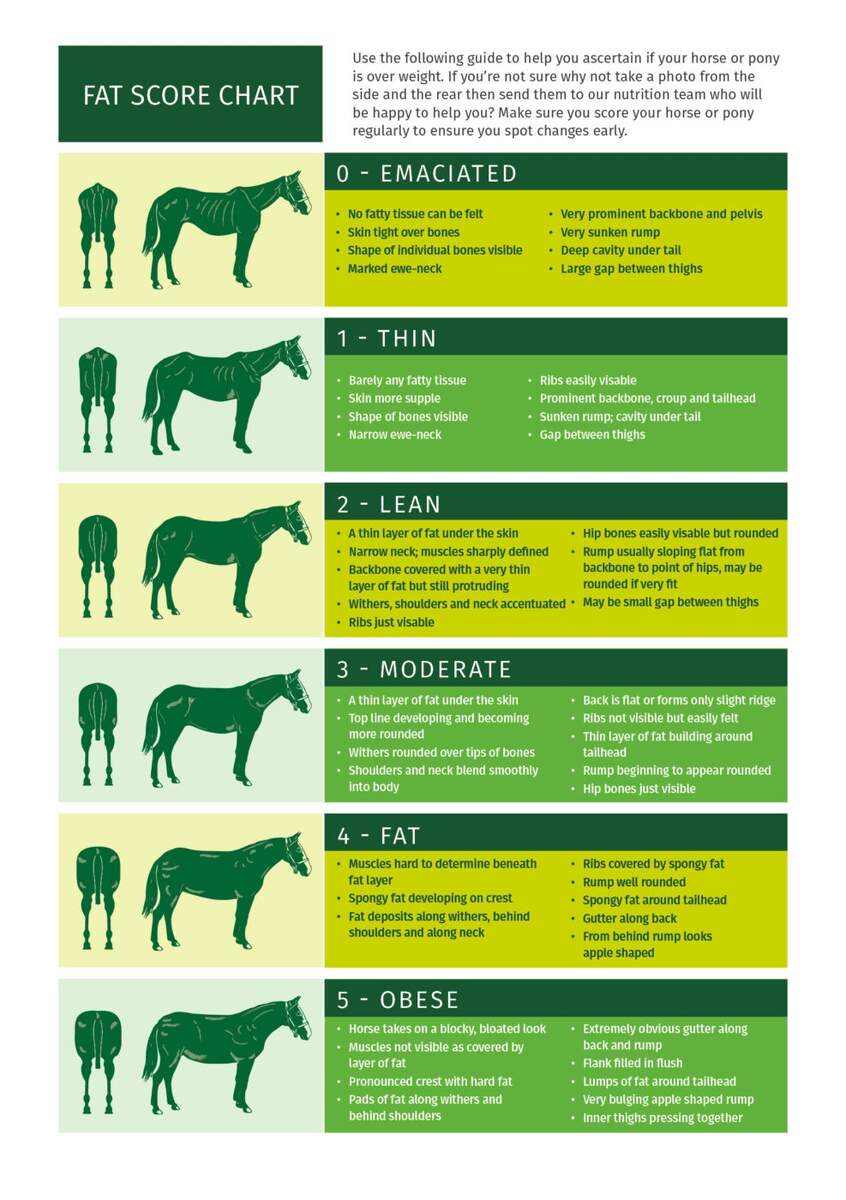
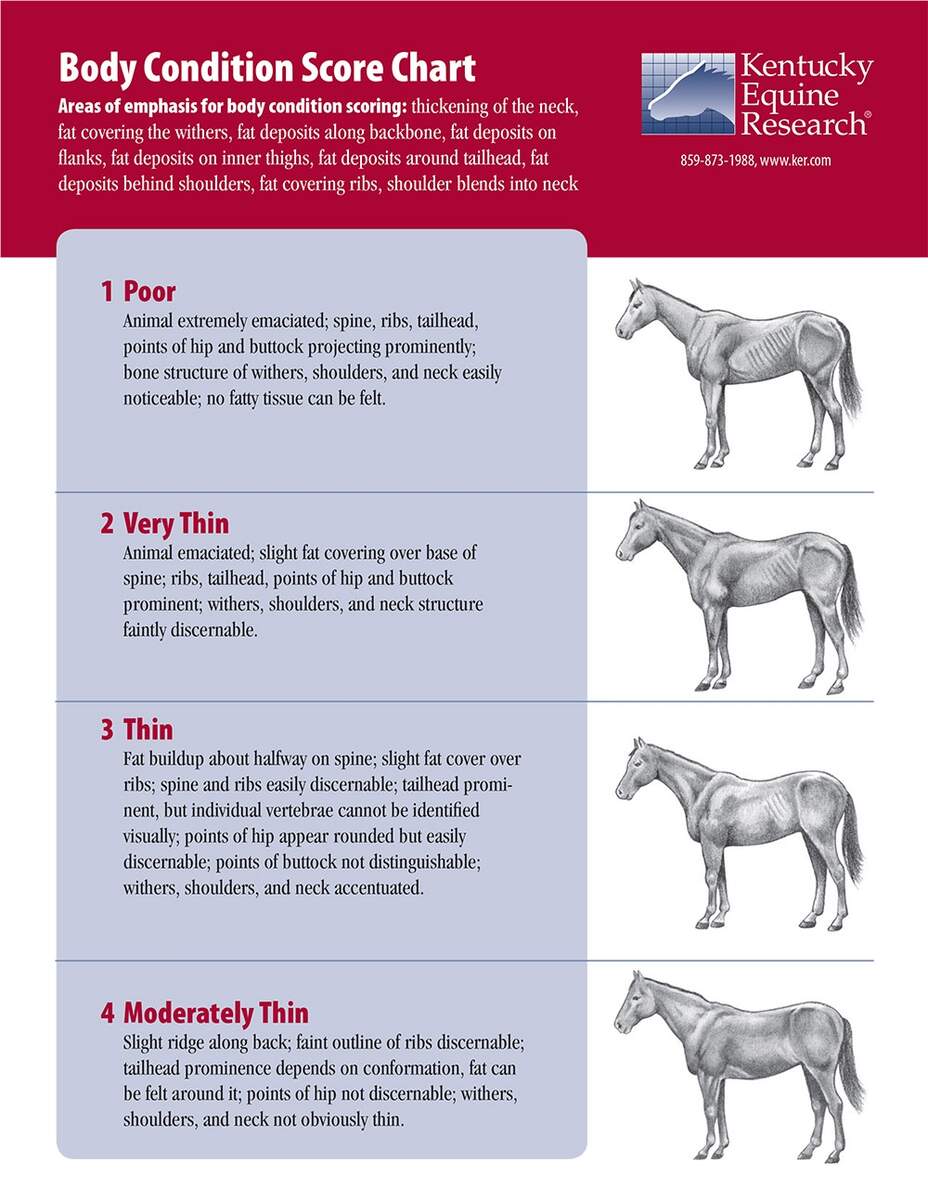
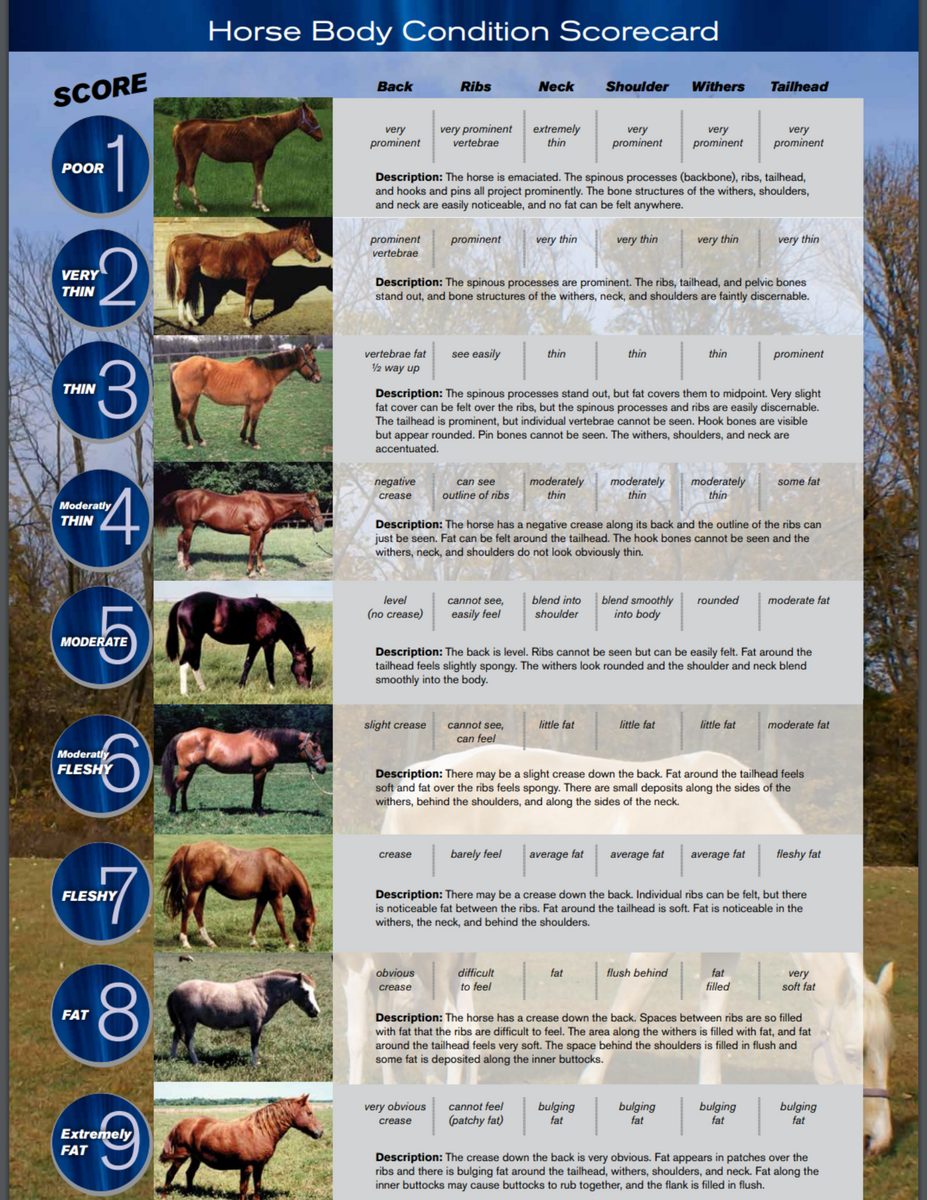
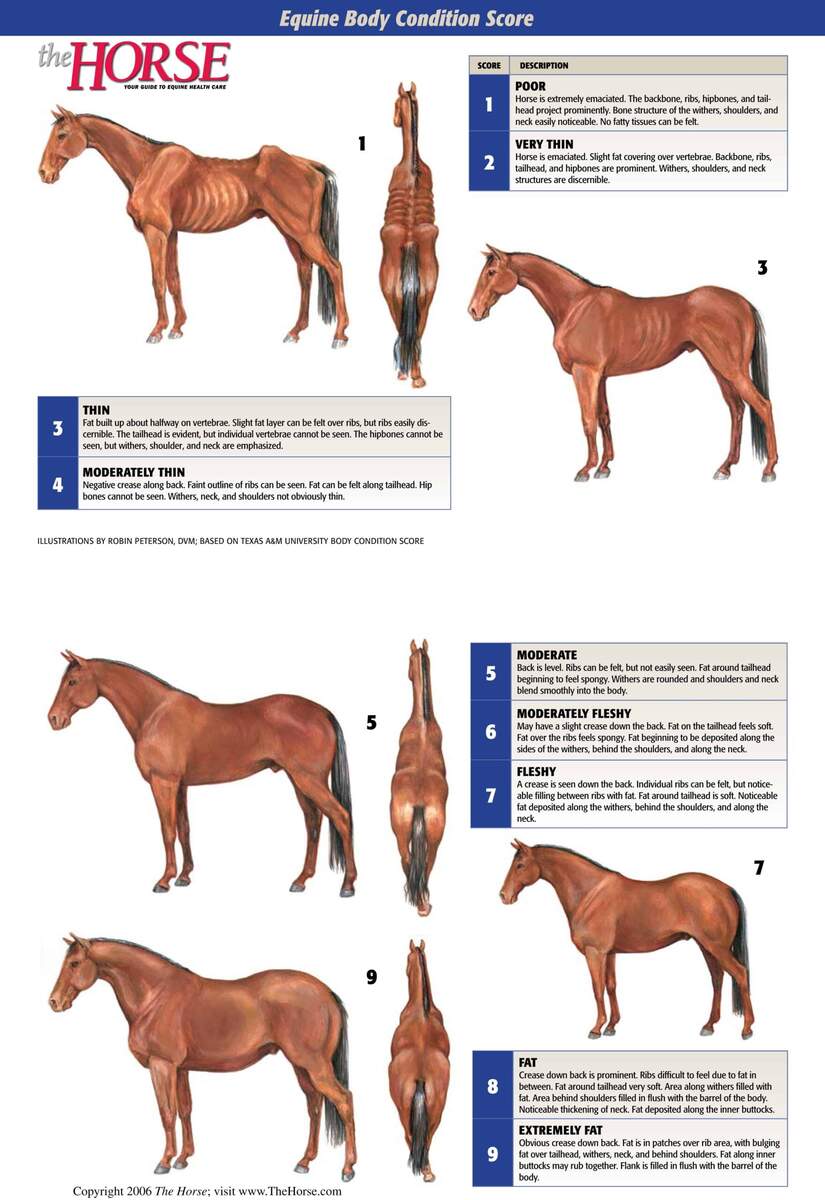
The Horse Body Condition Score Chart is a standardized system used to evaluate a horse’s body condition, taking into account factors such as fat cover, muscle tone, and overall appearance. The chart assigns a score from 1 to 9, with 1 being extremely thin and 9 being extremely fat. By using this chart, horse owners and caregivers can quickly and easily assess a horse’s body condition and make informed decisions about its diet, exercise, and healthcare.
Weight Management Dengie Horse Feeds
Understanding the Horse Body Condition Score Chart
The Horse Body Condition Score Chart is a simple and effective tool that can be used by anyone involved in horse care. The chart is typically divided into six areas, including the neck, withers, back, ribs, tailhead, and hindquarters. Each area is evaluated and assigned a score based on the amount of fat cover and muscle tone present. By assessing each area and assigning a score, horse owners and caregivers can get a comprehensive picture of a horse’s body condition and identify any potential health issues.
KER Body Condition Score Chart
How to Use the Chart
To use the Horse Body Condition Score Chart, horse owners and caregivers should start by evaluating the horse’s overall appearance, taking note of any visible signs of illness or injury. Next, they should assess each of the six areas, assigning a score based on the amount of fat cover and muscle tone present. It’s also important to take into account the horse’s breed, age, and level of activity, as these factors can affect its body condition. By using the chart regularly, horse owners and caregivers can monitor changes in a horse’s body condition and make adjustments to its diet and exercise routine as needed.
Interpreting the Scores
Interpreting the scores on the Horse Body Condition Score Chart is relatively straightforward. A score of 4 or 5 is considered ideal, indicating a horse that is well-nourished and has a healthy amount of fat cover. A score of 1 to 3 indicates a horse that is underweight, while a score of 6 to 9 indicates a horse that is overweight. By understanding the scores and what they mean, horse owners and caregivers can take steps to ensure their horse is at a healthy weight and body condition, reducing the risk of health problems and improving its overall quality of life.
Equine Body Score Farmers Cooperative Association Inc Farmers Cooperative Association Inc
In addition to using the Horse Body Condition Score Chart, horse owners and caregivers can also take other steps to monitor their horse’s health and well-being. Regular veterinary check-ups, a balanced diet, and regular exercise can all help to keep a horse healthy and thriving. By combining these efforts with regular use of the Horse Body Condition Score Chart, horse owners and caregivers can provide the best possible care for their horses and help them live long, happy, and healthy lives.
Equine Body Condition Score Poster The Horse
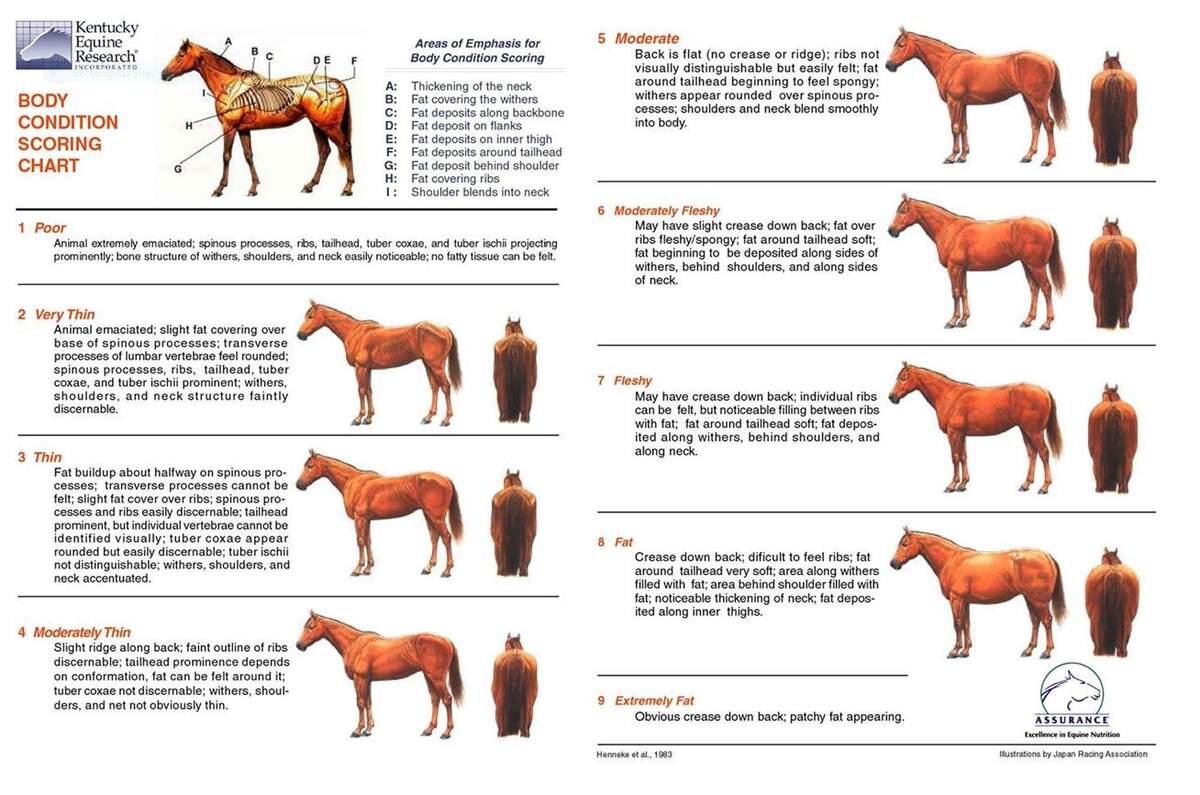
Body Condition Score Chart Fox Valley Equine