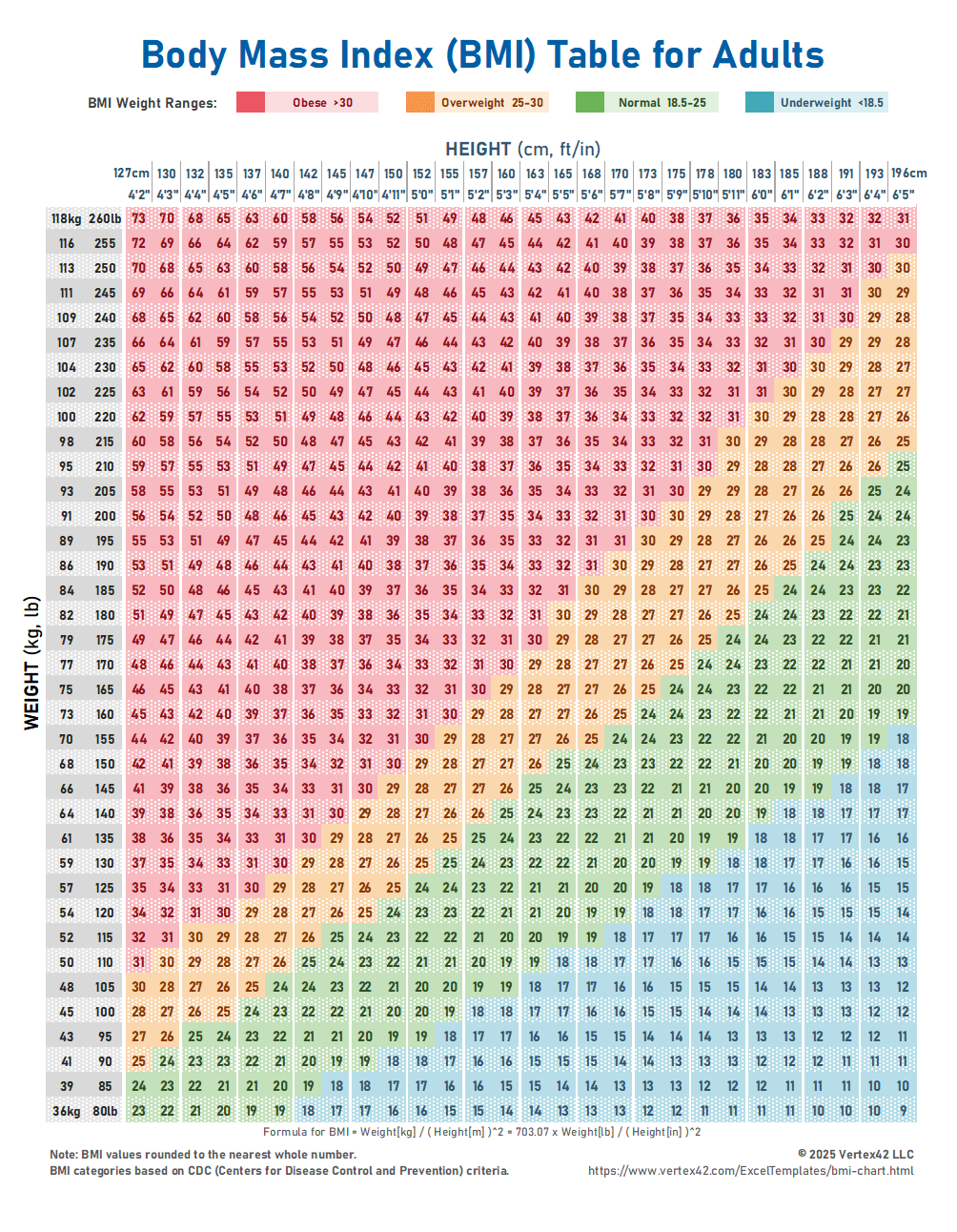
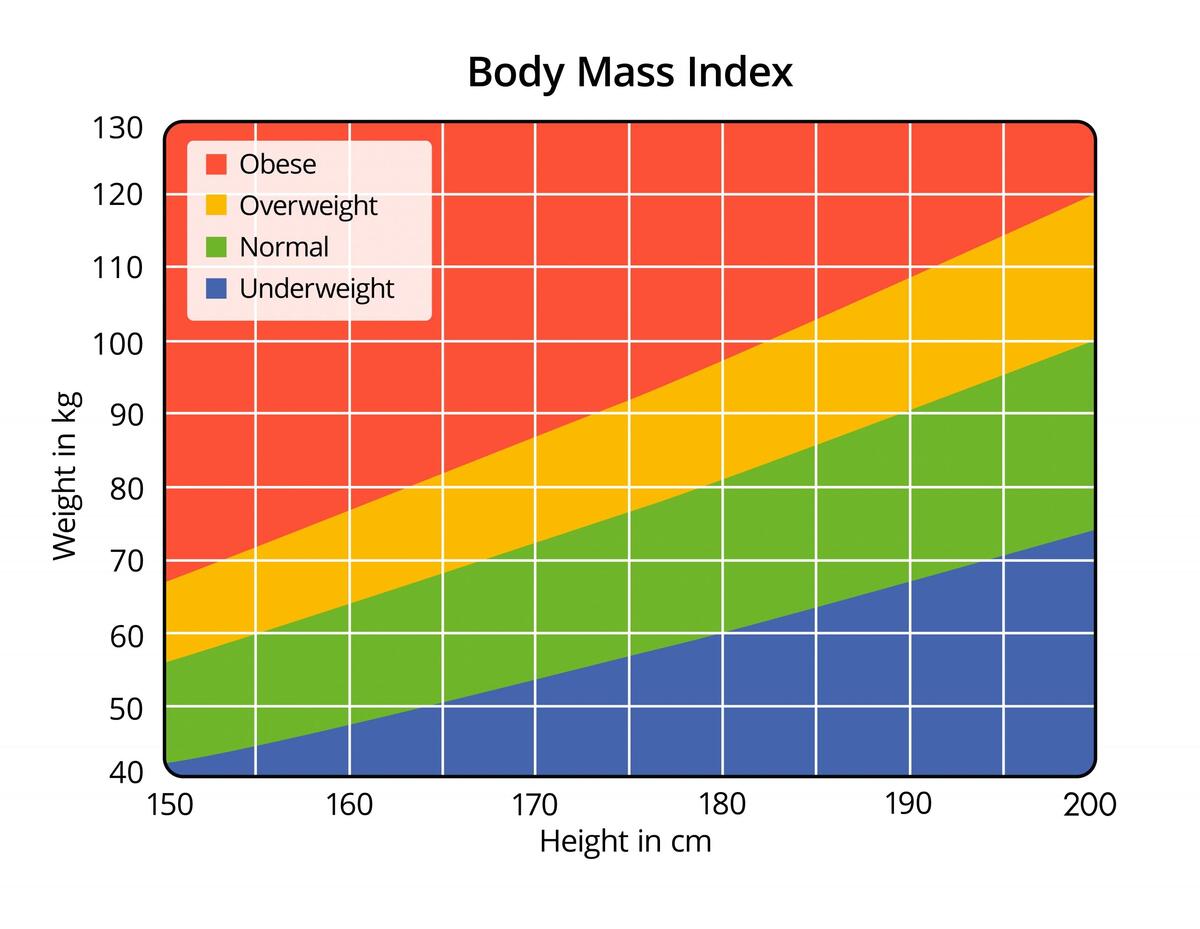
The body mass index chart, commonly known as the BMI chart, is a widely used tool to measure weight and health. It’s a simple and effective way to determine whether a person’s weight is in a healthy range for their height. But have you ever wondered how this chart was created? The concept of BMI has been around for over a century, and it’s been widely adopted by healthcare professionals and organizations around the world.
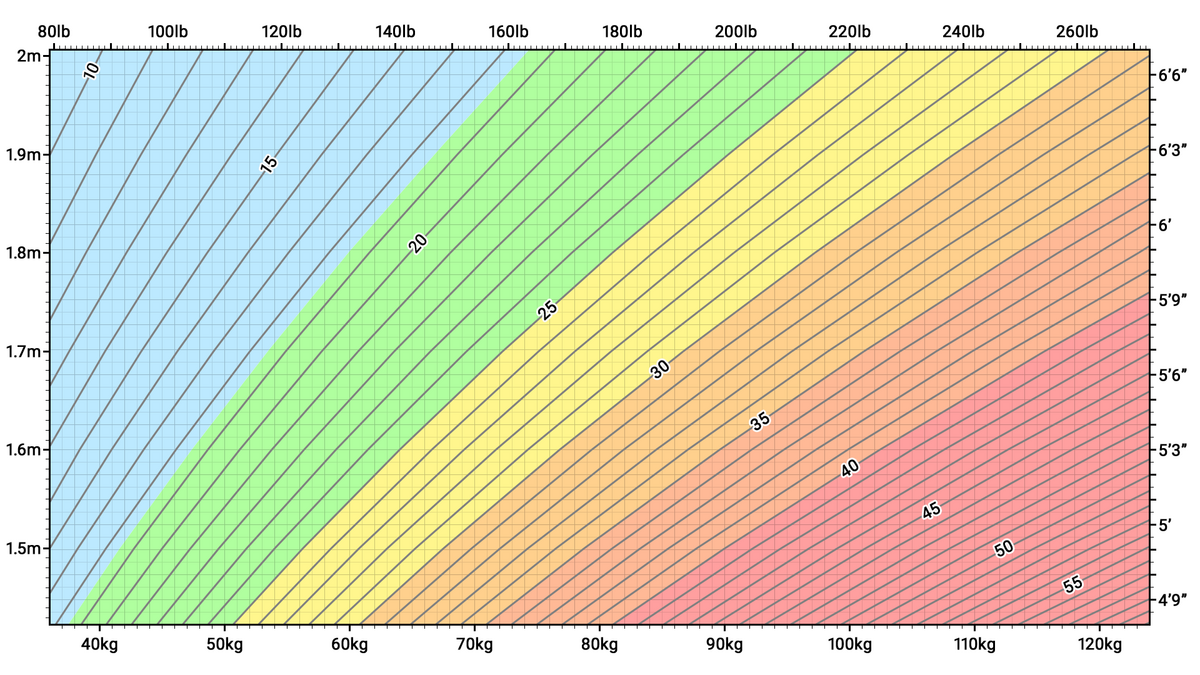
The BMI chart is based on a person’s weight and height, and it’s calculated by dividing the weight in kilograms by the square of the height in meters. This calculation gives a BMI score, which is then used to determine whether a person is underweight, overweight, or within a healthy weight range. But how was this chart developed, and what are its limitations? In this article, we’ll delve into the history of the BMI chart, how it’s calculated, and its limitations and criticisms.
BMI Chart Printable Body Mass Index Chart BMI Calculator
History of the Body Mass Index Chart
The history of the body mass index chart dates back to the 19th century, when a Belgian mathematician named Adolphe Quetelet developed the concept of the ‘quetelet index’. This index was used to measure the average weight of a population, and it was calculated by dividing the weight in kilograms by the square of the height in meters. Over time, the quetelet index evolved into the body mass index chart, which was widely adopted by healthcare professionals and organizations around the world.
Body Mass Index Wikipedia
How is the Body Mass Index Chart Calculated
The body mass index chart is calculated using a simple formula: weight in kilograms divided by the square of the height in meters. This calculation gives a BMI score, which is then used to determine whether a person is underweight, overweight, or within a healthy weight range. For example, a person who is 1.75 meters tall and weighs 70 kilograms would have a BMI score of 22.9, which is within the healthy weight range. But how accurate is this calculation, and what are its limitations?
Limitations and Criticisms of the Body Mass Index Chart
The body mass index chart has several limitations and criticisms. One of the main limitations is that it doesn’t take into account muscle mass or body composition. For example, a person who is very muscular may have a high BMI score, even if they have a low body fat percentage. Additionally, the BMI chart doesn’t account for age, sex, or ethnicity, which can affect the accuracy of the calculation. Despite these limitations, the BMI chart remains a widely used tool to measure weight and health.
Body Mass Index BMI Explaned RosemaryConley Com
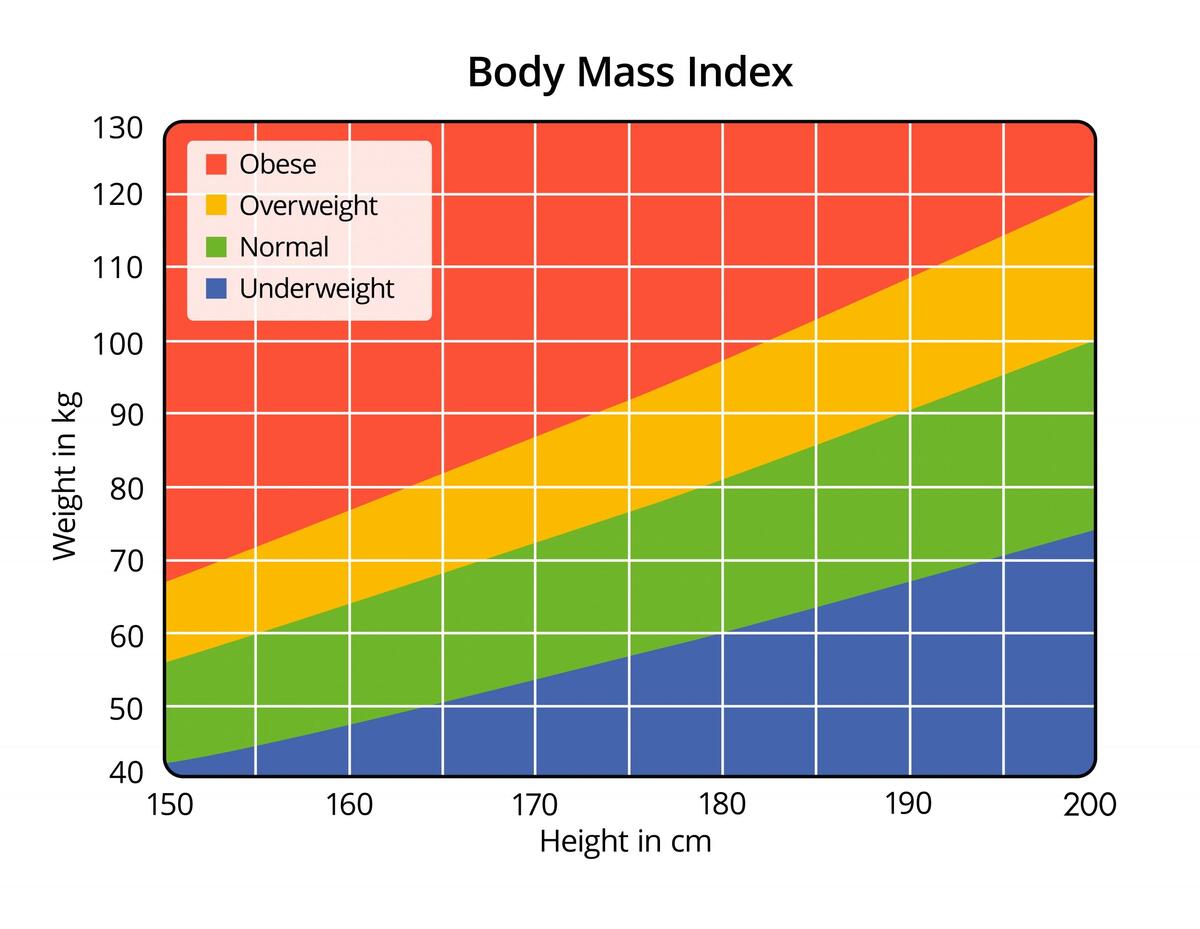
In conclusion, the body mass index chart is a widely used tool to measure weight and health, but it’s not without its limitations and criticisms. By understanding how the BMI chart was developed, how it’s calculated, and its limitations, we can use it more effectively to measure our weight and health. Whether you’re a healthcare professional or just someone who wants to stay healthy, the BMI chart is an important tool to have in your toolkit.
Body Mass Index BMI Explaned RosemaryConley Com
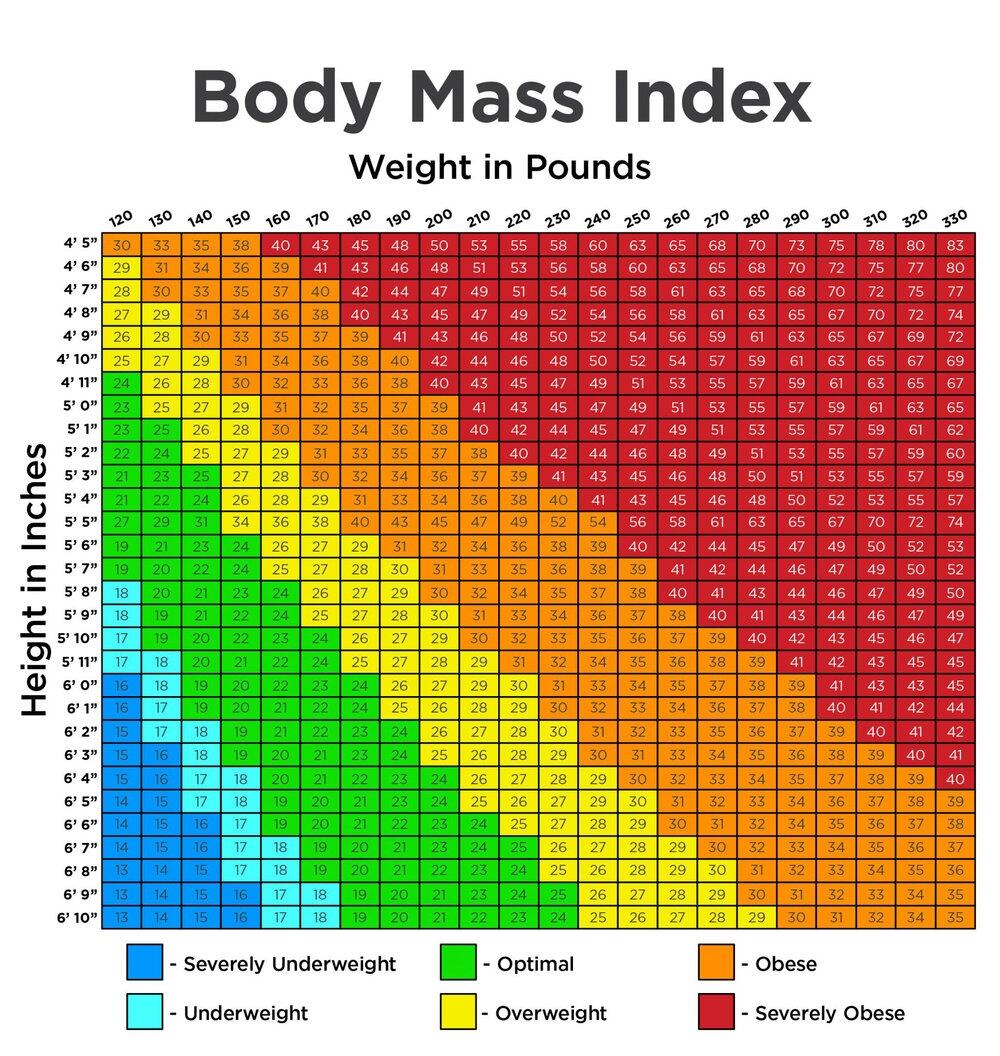
Body Mass Index BMI What Is It And Why Is It Important Lindora Clinic