For women trying to conceive, tracking basal body temperature can be a useful tool in determining pregnancy. Basal body temperature refers to the body’s temperature at rest, usually taken immediately after waking up. By tracking this temperature, women can identify subtle changes that may indicate pregnancy. A basal body temperature chart is a graph used to record and track these temperatures over time, providing valuable insights into the body’s hormonal fluctuations.
Many women use basal body temperature charts to help them conceive, as they can provide clues about ovulation and fertility. However, these charts can also be used to detect early signs of pregnancy. By comparing the temperatures of pregnant and non-pregnant women, researchers have identified distinct patterns that may indicate pregnancy. In this article, we’ll delve into the world of basal body temperature charts, exploring how they work and what they can reveal about pregnancy.
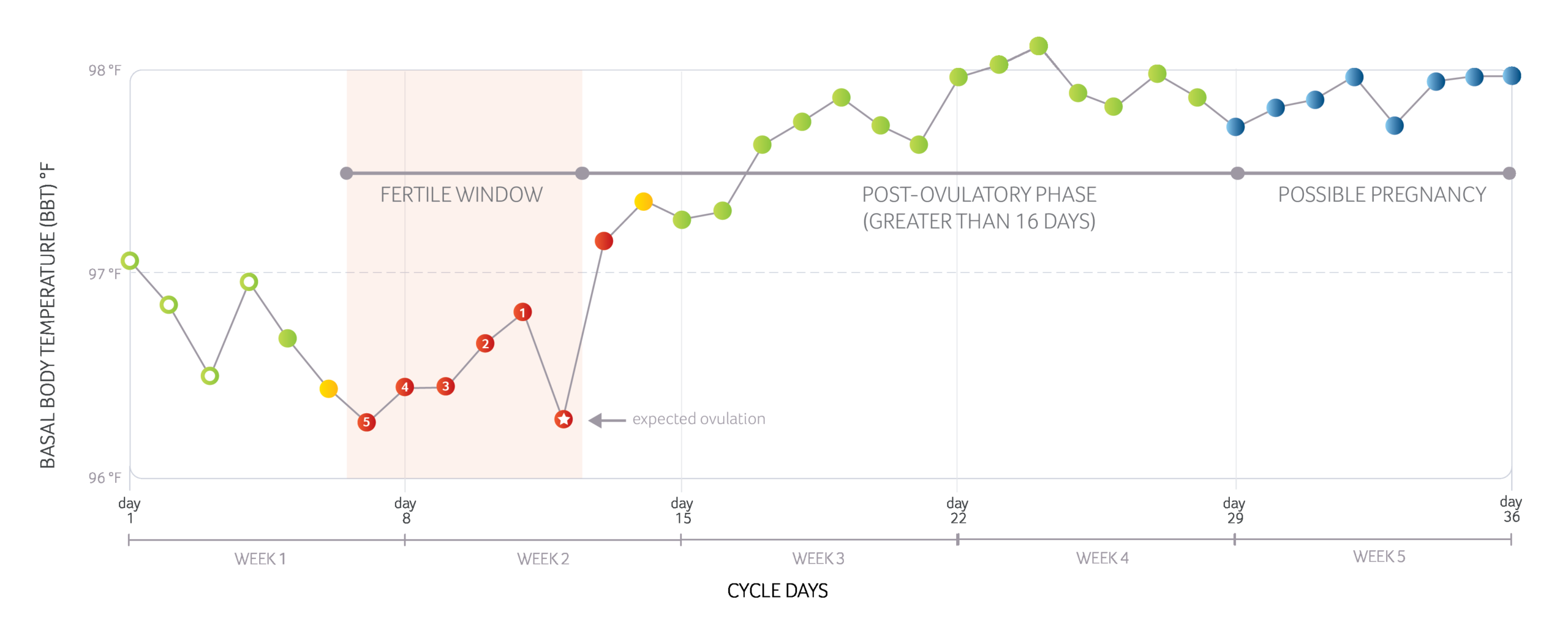
Basal Body Temperature Frequently Asked Questions
Understanding Basal Body Temperature
Basal body temperature is influenced by hormonal changes in the body, particularly the release of progesterone during the luteal phase of the menstrual cycle. In non-pregnant women, basal body temperature typically follows a predictable pattern, with a slight increase after ovulation. However, in pregnant women, this temperature shift can be more pronounced, often remaining elevated throughout the first trimester. Understanding these patterns is crucial for accurately interpreting basal body temperature charts.
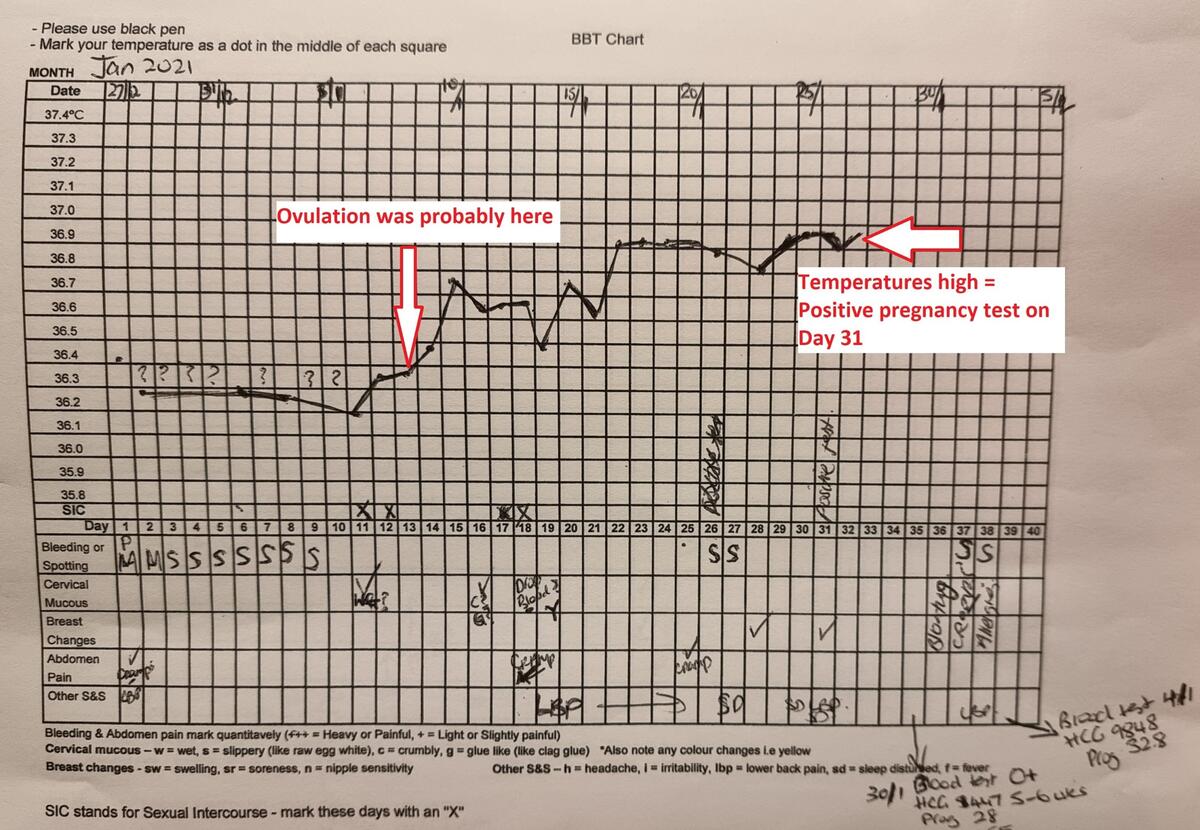
How To Use A BBT Chart To Help You Fall Pregnant Point Specifics
How to Track Basal Body Temperature
Tracking basal body temperature requires a bit of effort and dedication, but it can be a simple and effective way to monitor fertility and detect early signs of pregnancy. To get started, women will need a basal body thermometer, which is typically more sensitive than a regular thermometer. It’s essential to take the temperature at the same time every day, usually immediately after waking up, and to record the results on a chart or graph. Consistency is key, as it allows women to identify subtle changes in their temperature over time.
Interpreting Basal Body Temperature Charts
Interpreting basal body temperature charts can be a bit tricky, but there are some general guidelines to keep in mind. In pregnant women, the temperature often remains elevated for an extended period, usually above 98.6°F (37°C). In contrast, non-pregnant women typically experience a temperature shift after ovulation, followed by a gradual decrease. By examining the chart, women can look for these patterns and make educated guesses about their pregnancy status. However, it’s essential to remember that basal body temperature is just one indicator, and other symptoms, such as missed periods or morning sickness, should also be considered.
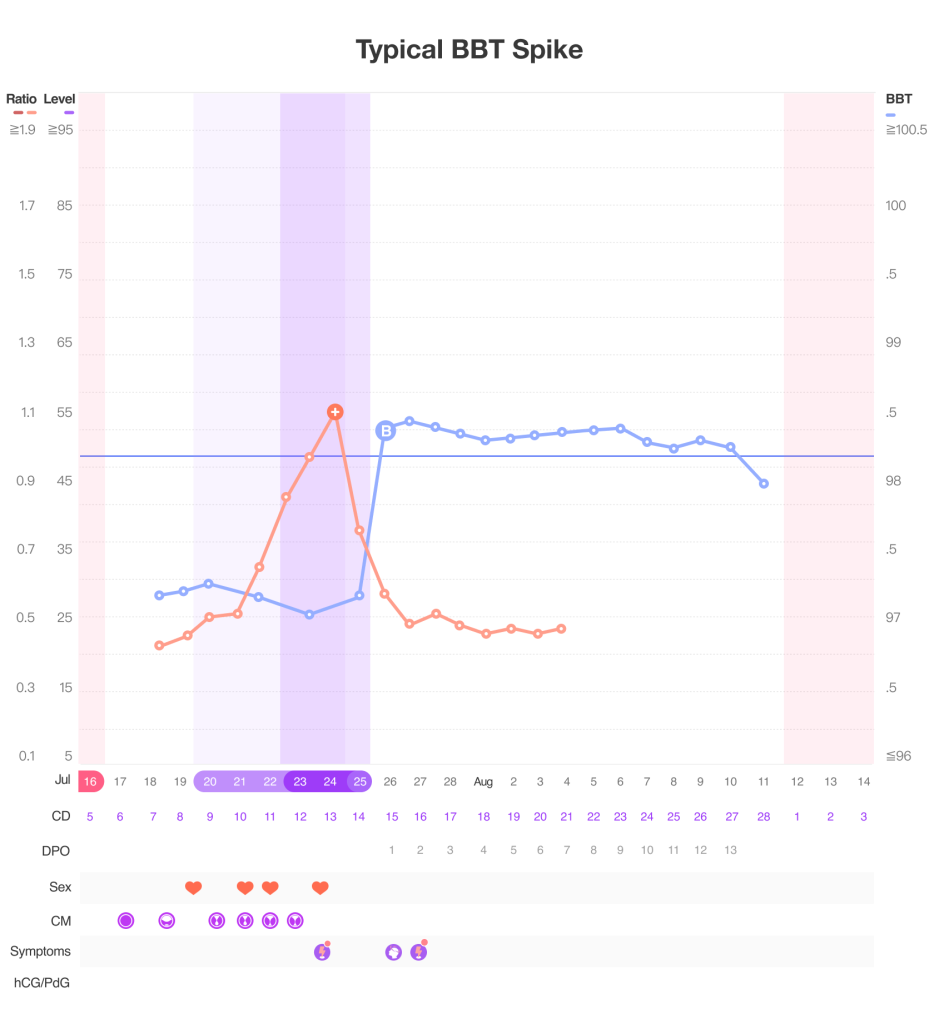
Why Your BBT Chart Looks Mesy And What To Do Premom
While basal body temperature charts can be a useful tool in detecting pregnancy, they are not foolproof. Many factors can influence basal body temperature, including sleep quality, stress levels, and certain medications. Additionally, some women may experience irregular temperature patterns, making it challenging to interpret the results. Nevertheless, for women trying to conceive or detect early signs of pregnancy, basal body temperature charts can provide valuable insights and help them make informed decisions about their reproductive health.
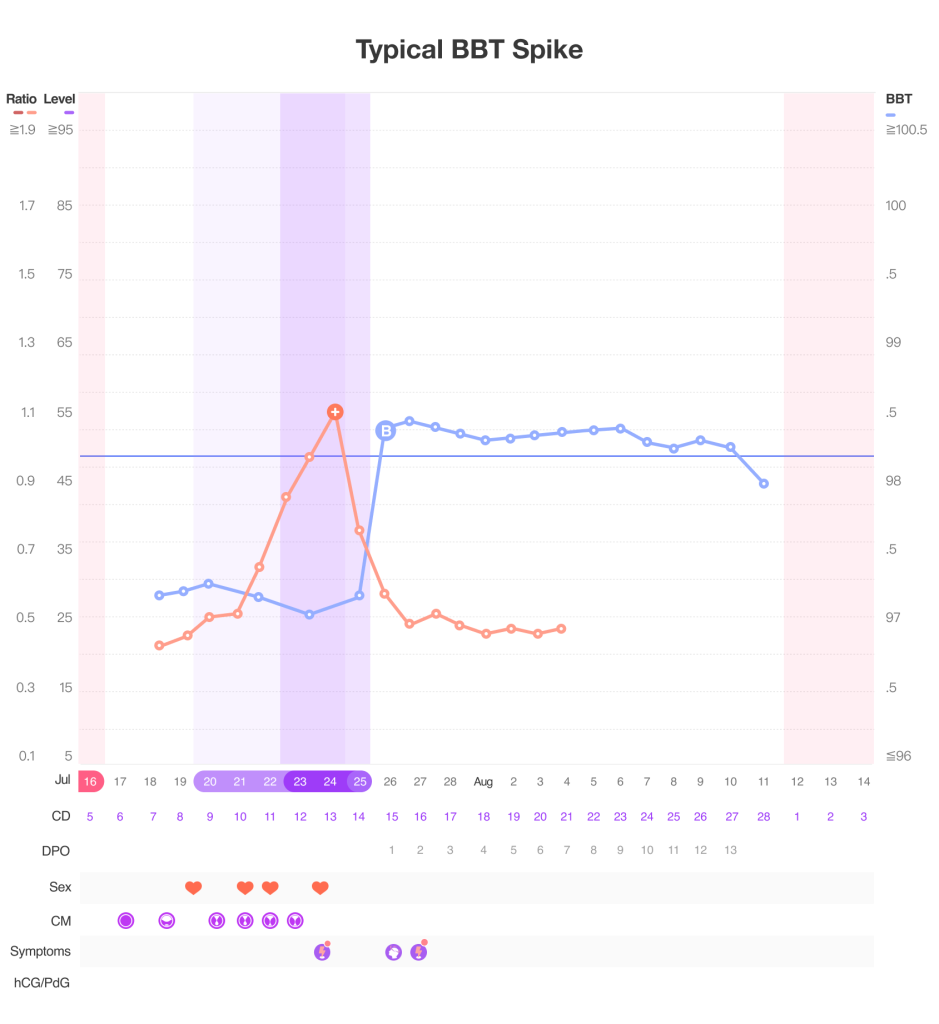
Why Your BBT Chart Looks Mesy And What To Do Premom
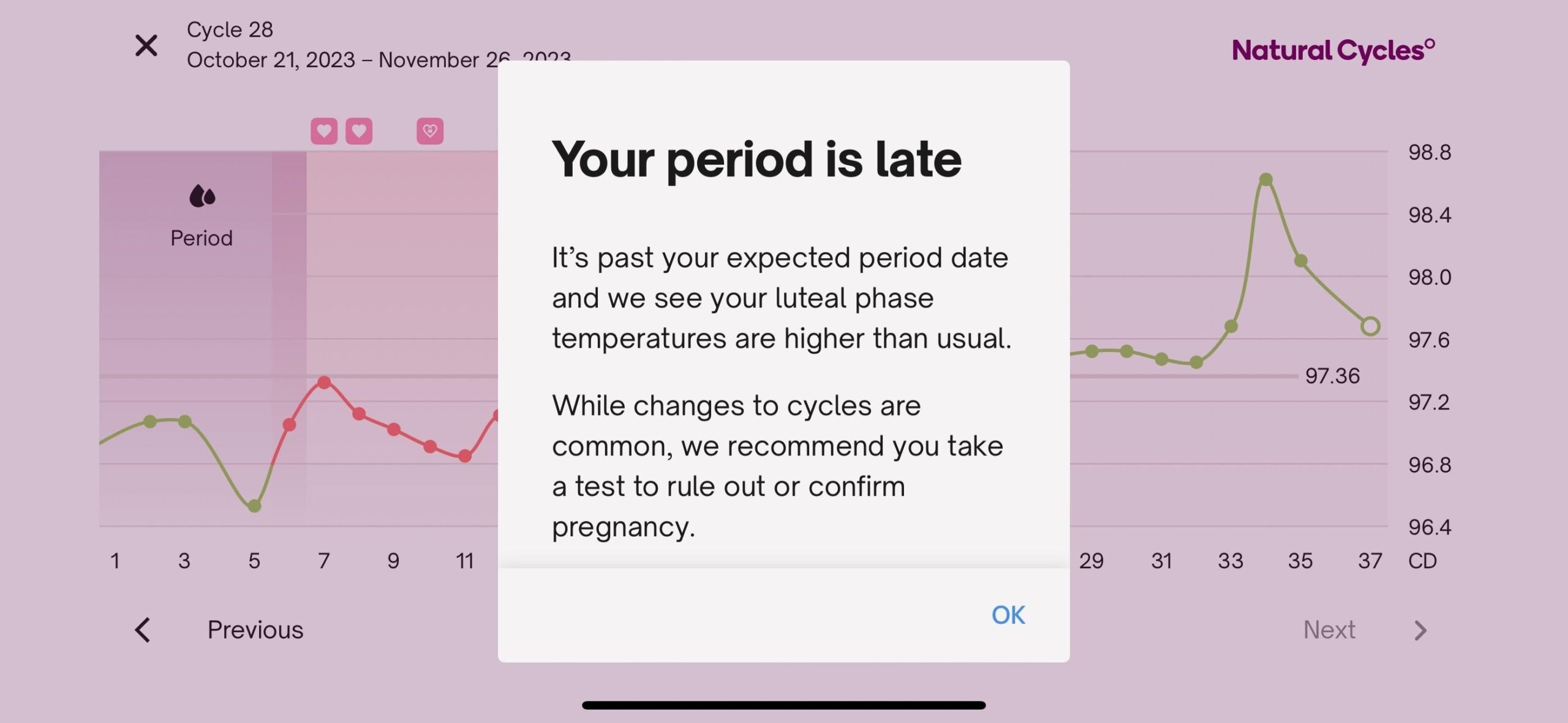
No Period Temperature Not Dropping Not Pregnant R FAMnNFP