For many women, trying to conceive can be a challenging and frustrating experience. One tool that can help is a pregnancy basal body temperature chart. By tracking your basal body temperature, you can gain valuable insights into your fertility and increase your chances of getting pregnant. But what exactly is basal body temperature, and how can you use it to your advantage?
Basal body temperature refers to the temperature of your body at rest. It’s usually measured first thing in the morning, before you get out of bed. By tracking your basal body temperature over time, you can identify patterns and changes in your body that can indicate when you’re fertile. This information can be incredibly powerful, especially for women who are trying to conceive. With a basal body temperature chart, you can pinpoint the exact days when you’re most likely to get pregnant, making it easier to plan and conceive.
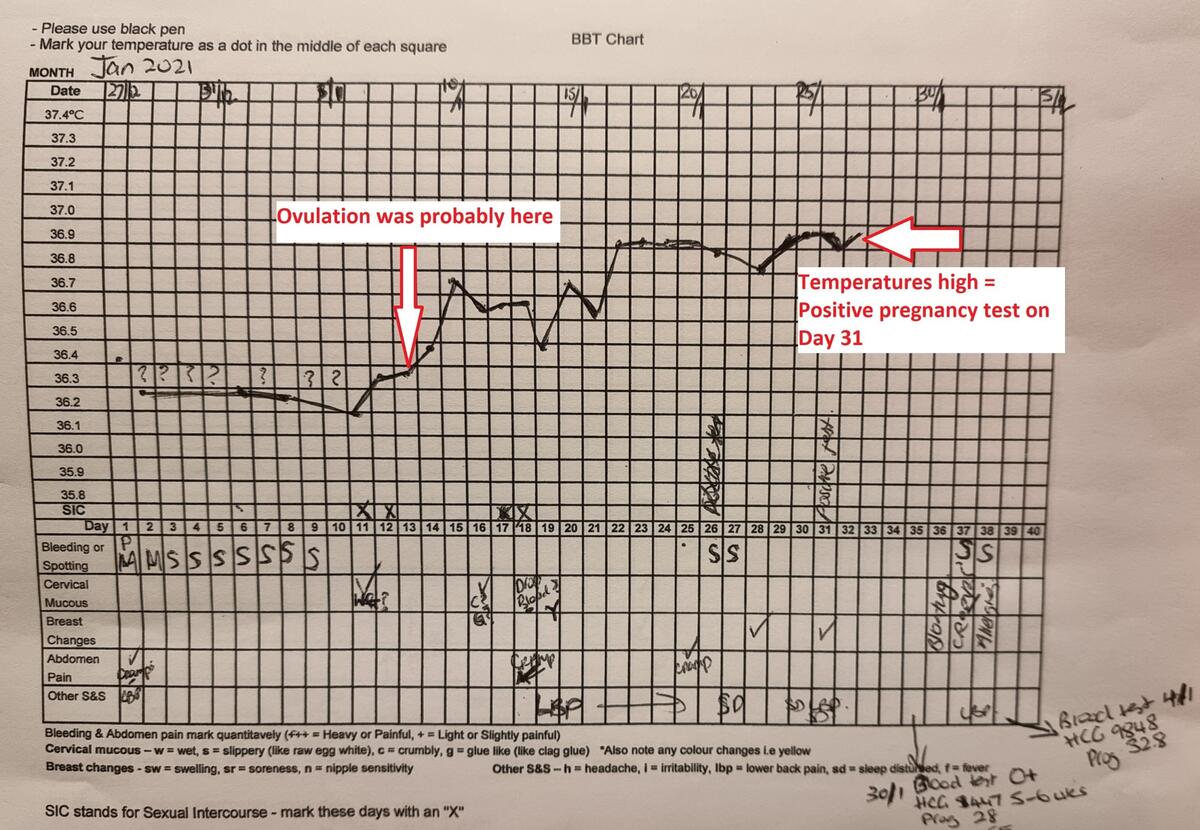
How To Use A BBT Chart To Help You Fall Pregnant Point Specifics
What is Basal Body Temperature?
Basal body temperature is the temperature of your body at rest, usually measured first thing in the morning. It’s an important indicator of your fertility, as it can fluctuate throughout your menstrual cycle. During the follicular phase, your basal body temperature is usually lower, while it increases during the luteal phase. By tracking these changes, you can gain a better understanding of your body and identify patterns that can help you conceive.
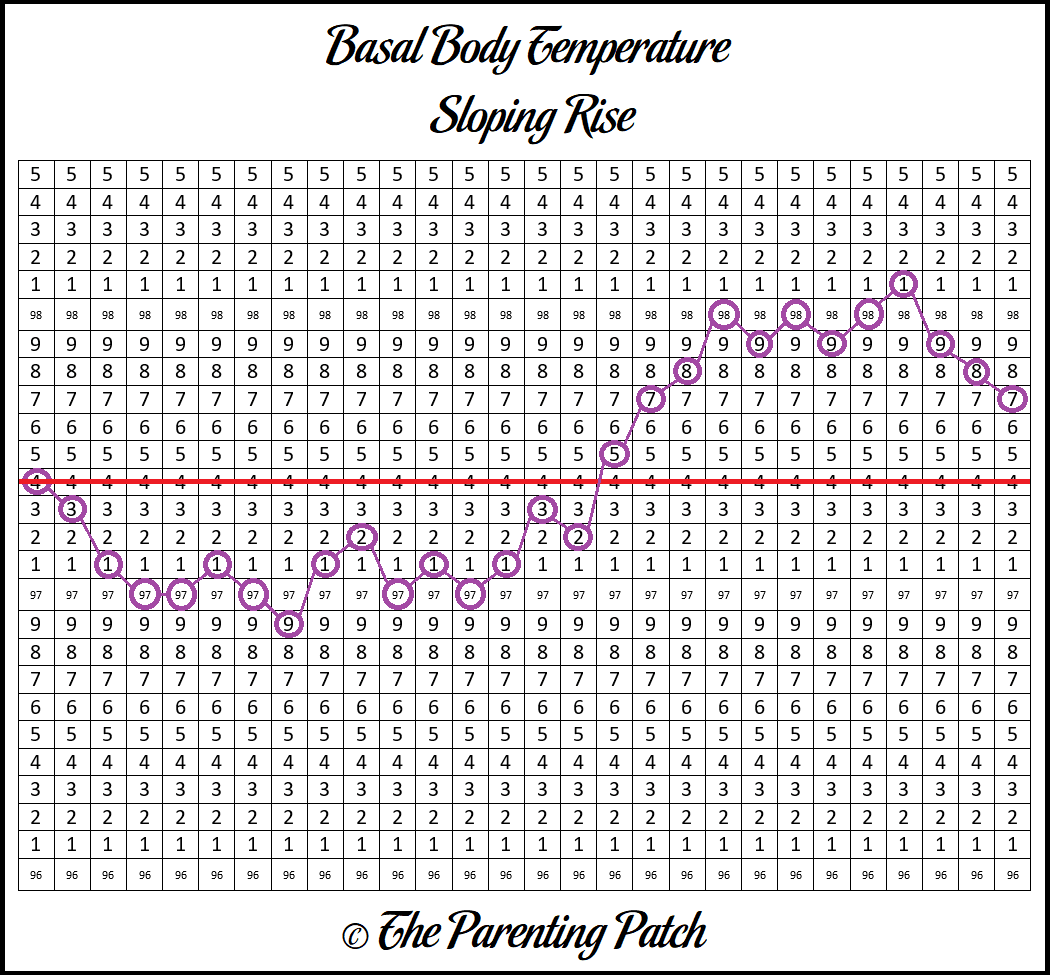
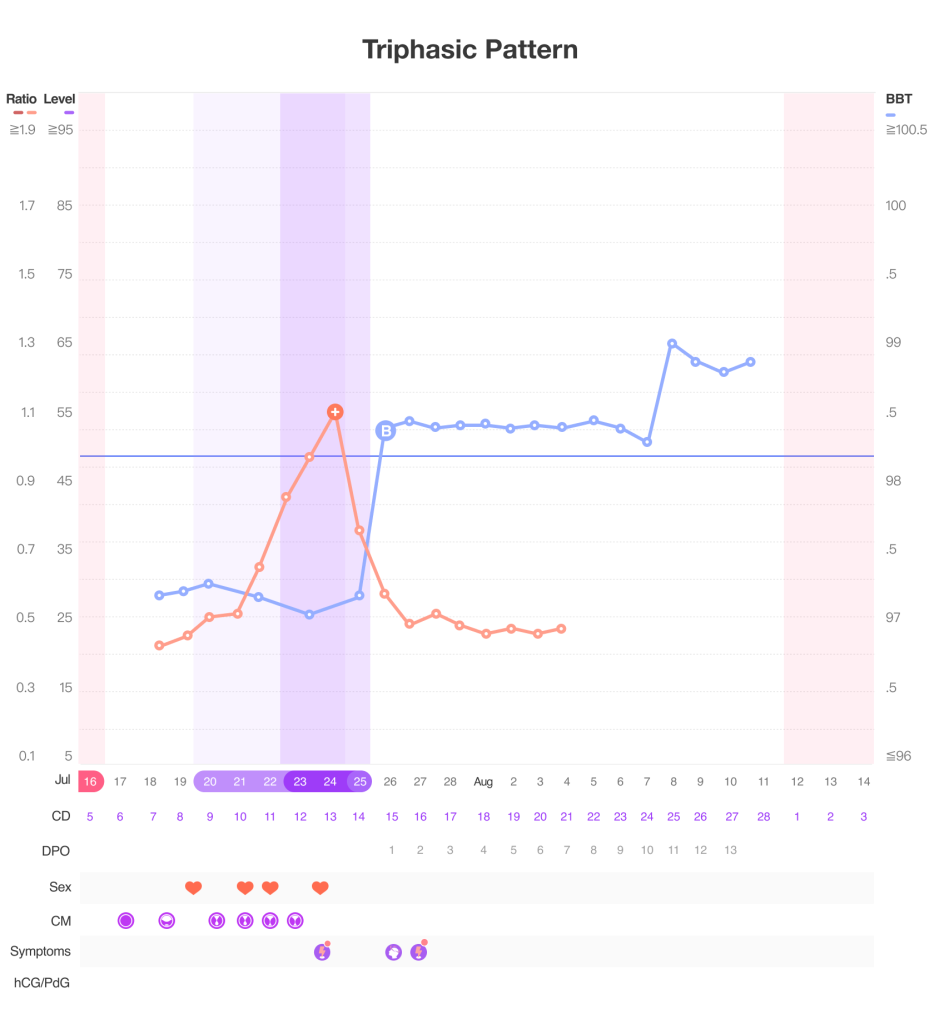
Basal Body Temperature Chart Patterns
How to Use a Basal Body Temperature Chart
Using a basal body temperature chart is relatively simple. You’ll need a basal body thermometer, which is usually more sensitive than a regular thermometer. Take your temperature at the same time every morning, before you get out of bed, and record the results on your chart. You can also use a mobile app or spreadsheet to make it easier to track and analyze your data. Over time, you’ll start to see patterns emerge, which can help you identify when you’re fertile and increase your chances of getting pregnant.
Interpreting Your Basal Body Temperature Chart Results
Interpreting your basal body temperature chart results can take some practice, but it’s relatively straightforward. Look for a temperature shift of about 0.4-1.0 degrees Fahrenheit, which usually indicates ovulation. You may also notice a dip in temperature just before ovulation, which is a good sign that you’re about to release an egg. By tracking these changes and looking for patterns, you can gain a better understanding of your fertility and increase your chances of getting pregnant. It’s also important to note that basal body temperature can be affected by other factors, such as sleep, stress, and illness, so it’s essential to take these into account when interpreting your results.
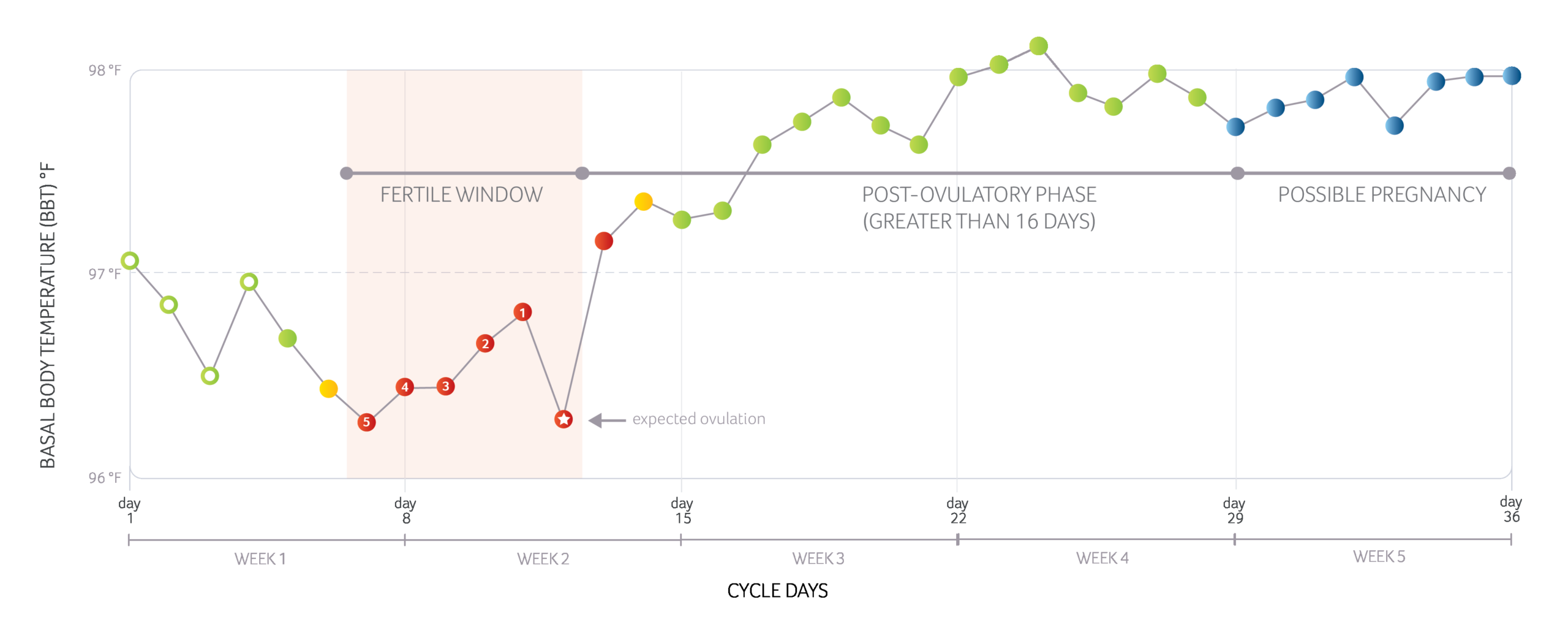
Basal Body Temperature Frequently Asked Questions
By using a pregnancy basal body temperature chart, you can take control of your fertility and increase your chances of getting pregnant. While it may take some time and practice to get the hang of it, the benefits are well worth the effort. With a basal body temperature chart, you can pinpoint the exact days when you’re most fertile, making it easier to plan and conceive. Whether you’re just starting to try or have been trying for months, a basal body temperature chart can be a valuable tool in your fertility journey.
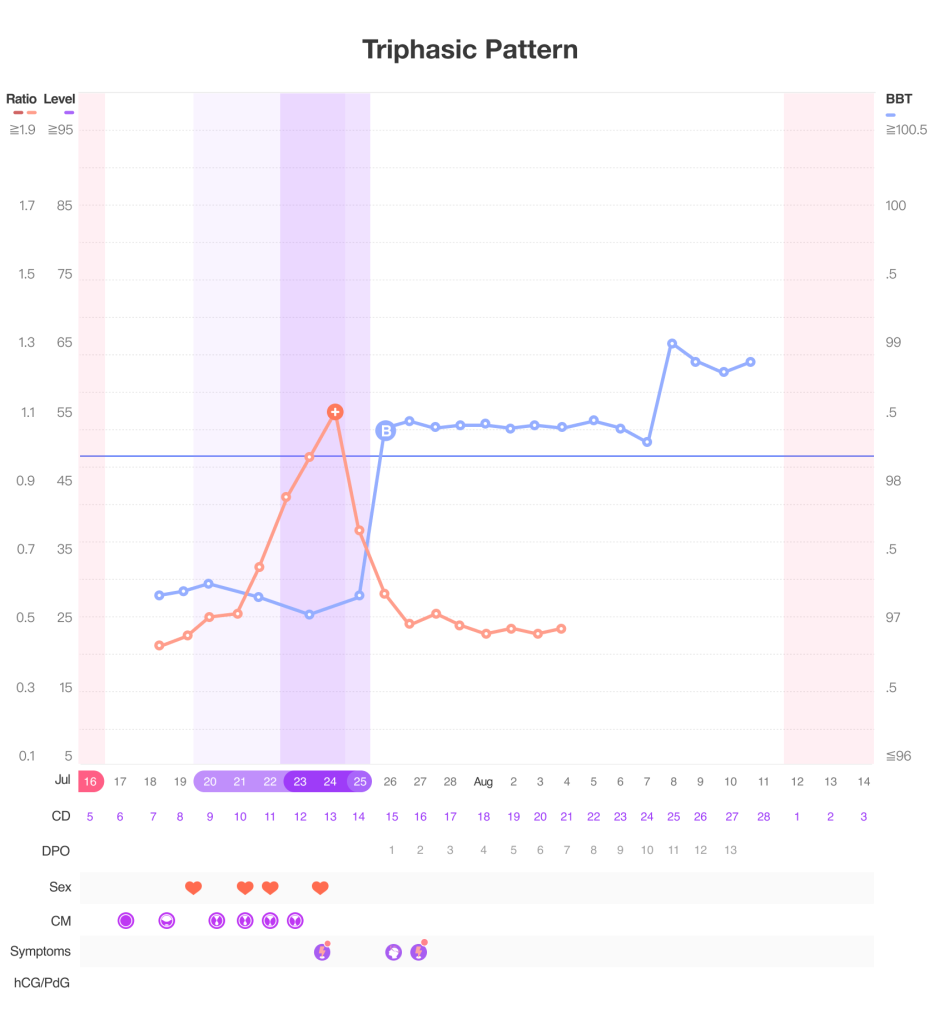
Why Your BBT Chart Looks Mesy And What To Do Premom
Why Your BBT Chart Looks Mesy And What To Do Premom