For many women, trying to conceive can be a challenging and frustrating experience. One often overlooked tool that can help is a basal body temperature chart. By tracking your basal body temperature, you can gain valuable insights into your menstrual cycle and ovulation, increasing your chances of getting pregnant. But how does it work, and what can it tell you about your fertility?
The basal body temperature is the temperature of your body at rest, usually taken immediately after waking up. It’s a simple yet effective way to track your hormonal changes throughout your menstrual cycle. By using a basal body temperature chart, you can identify when you’re ovulating, which is essential for conception. But it’s not just about getting pregnant – understanding your basal body temperature can also help you better comprehend your overall reproductive health.
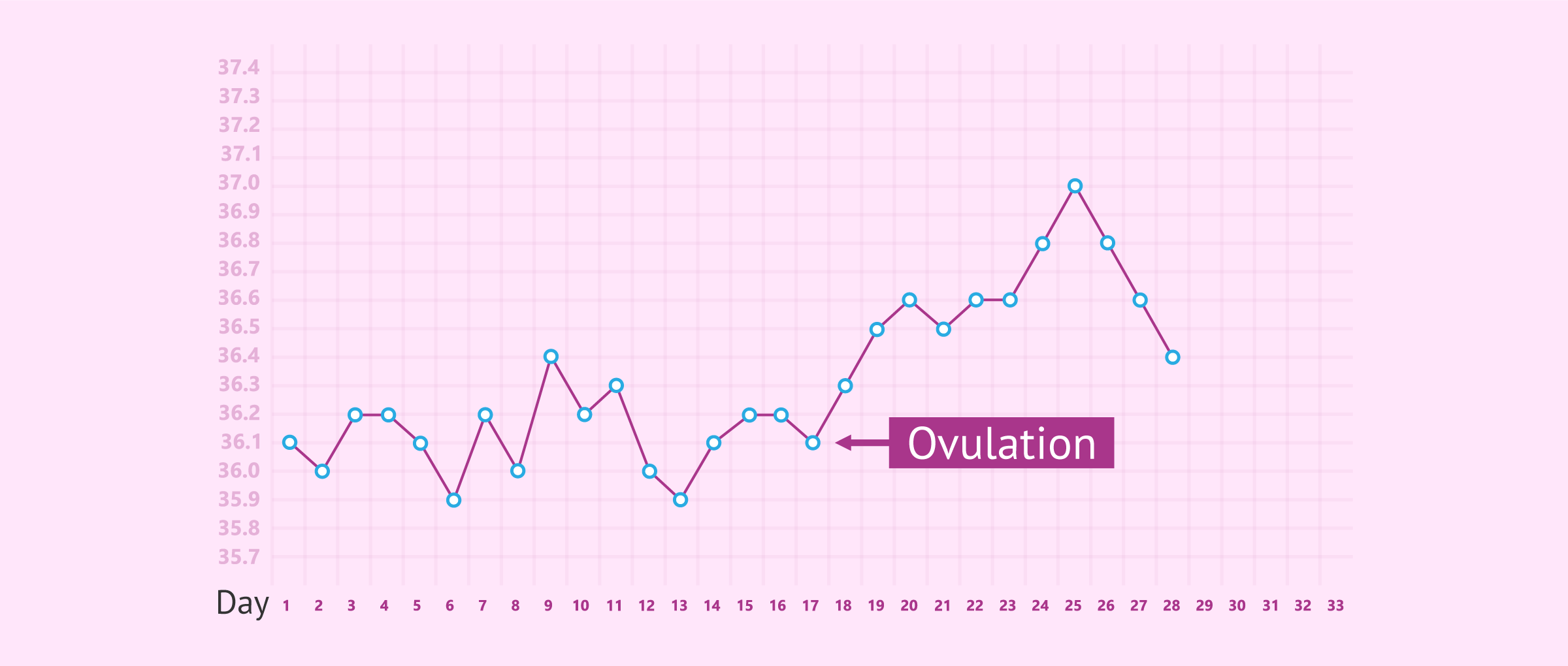
What Is The Basal Body Temperature Method And How Is It Performed
Understanding Basal Body Temperature
Your basal body temperature is influenced by the hormones progesterone and estrogen, which fluctuate throughout your menstrual cycle. Before ovulation, your basal body temperature is typically lower, ranging from 97.2 to 97.7 degrees Fahrenheit. After ovulation, your temperature increases by about 0.4 to 1 degree, usually ranging from 97.8 to 98.2 degrees Fahrenheit. This temperature shift is a clear indication that you’ve ovulated and are entering the luteal phase of your cycle.
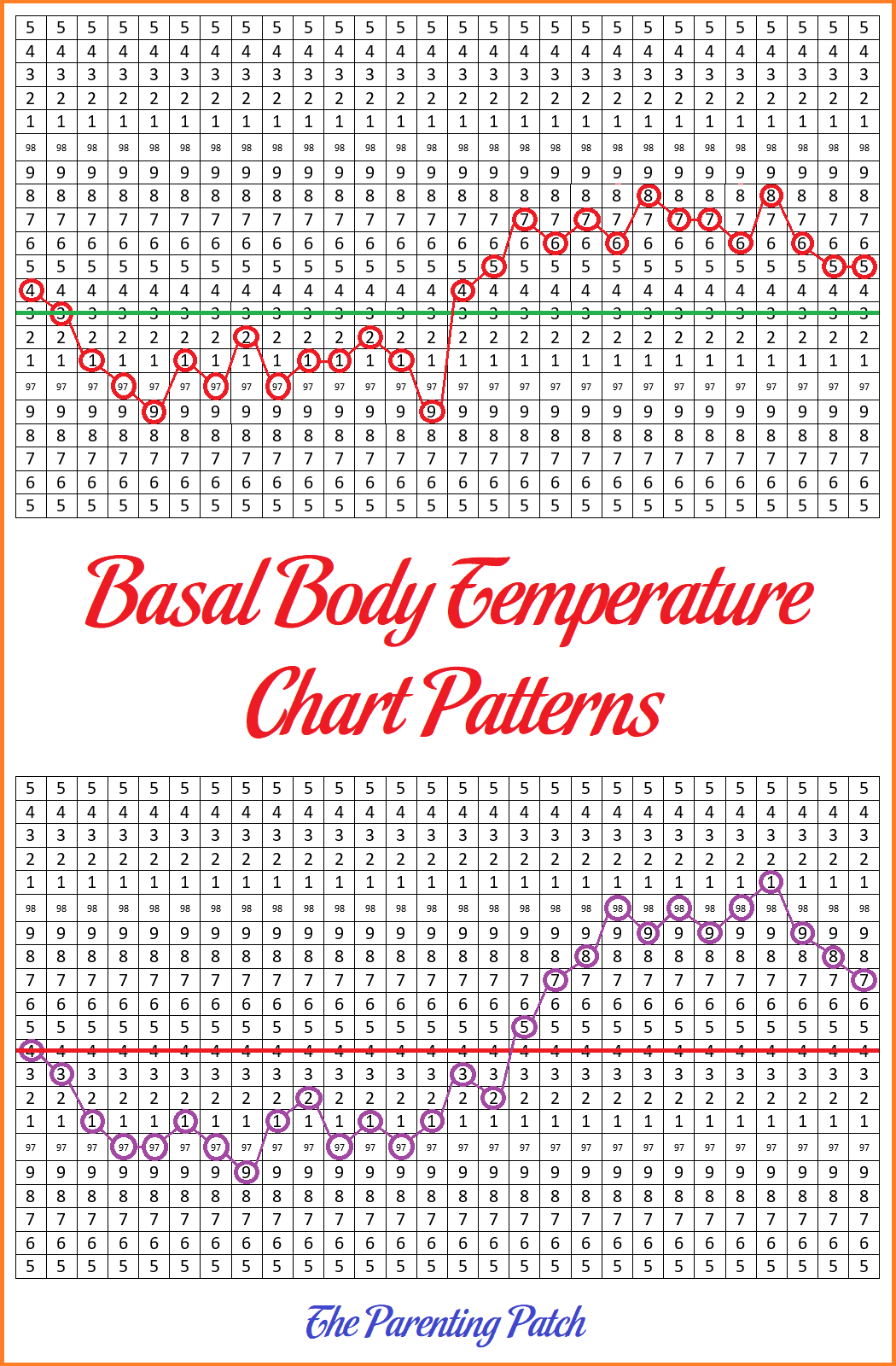
Basal Body Temperature Chart Patterns
Creating a Basal Body Temperature Chart for Ovulation
To create an effective basal body temperature chart for ovulation, you’ll need to take your temperature at the same time every morning, before getting out of bed. It’s essential to use a basal thermometer, which is more sensitive than a regular thermometer. You can record your temperature on a physical chart or use a mobile app to make it easier. Look for a temperature shift of at least 0.4 degrees, which usually indicates ovulation. By tracking your basal body temperature, you can identify your most fertile days and time intercourse accordingly.
Interpreting Your Basal Body Temperature Chart for Pregnancy
Interpreting your basal body temperature chart for pregnancy requires a bit of practice, but it can be a powerful tool. If you’re trying to conceive, look for a temperature shift that indicates ovulation, followed by a sustained higher temperature. This can be a sign that you’ve become pregnant. However, it’s essential to remember that basal body temperature is not a definitive indicator of pregnancy. If you suspect you’re pregnant, it’s always best to take a pregnancy test and consult with your healthcare provider.

Why Your BBT Chart Looks Mesy And What To Do Premom
By using a basal body temperature chart, you can take a more proactive approach to your fertility and reproductive health. It’s a low-cost, non-invasive method that can provide valuable insights into your menstrual cycle and ovulation. Whether you’re trying to conceive or simply want to better understand your body, a basal body temperature chart is an excellent tool to have in your fertility toolkit. So why not give it a try and see how it can help you unlock the secrets of your fertility?
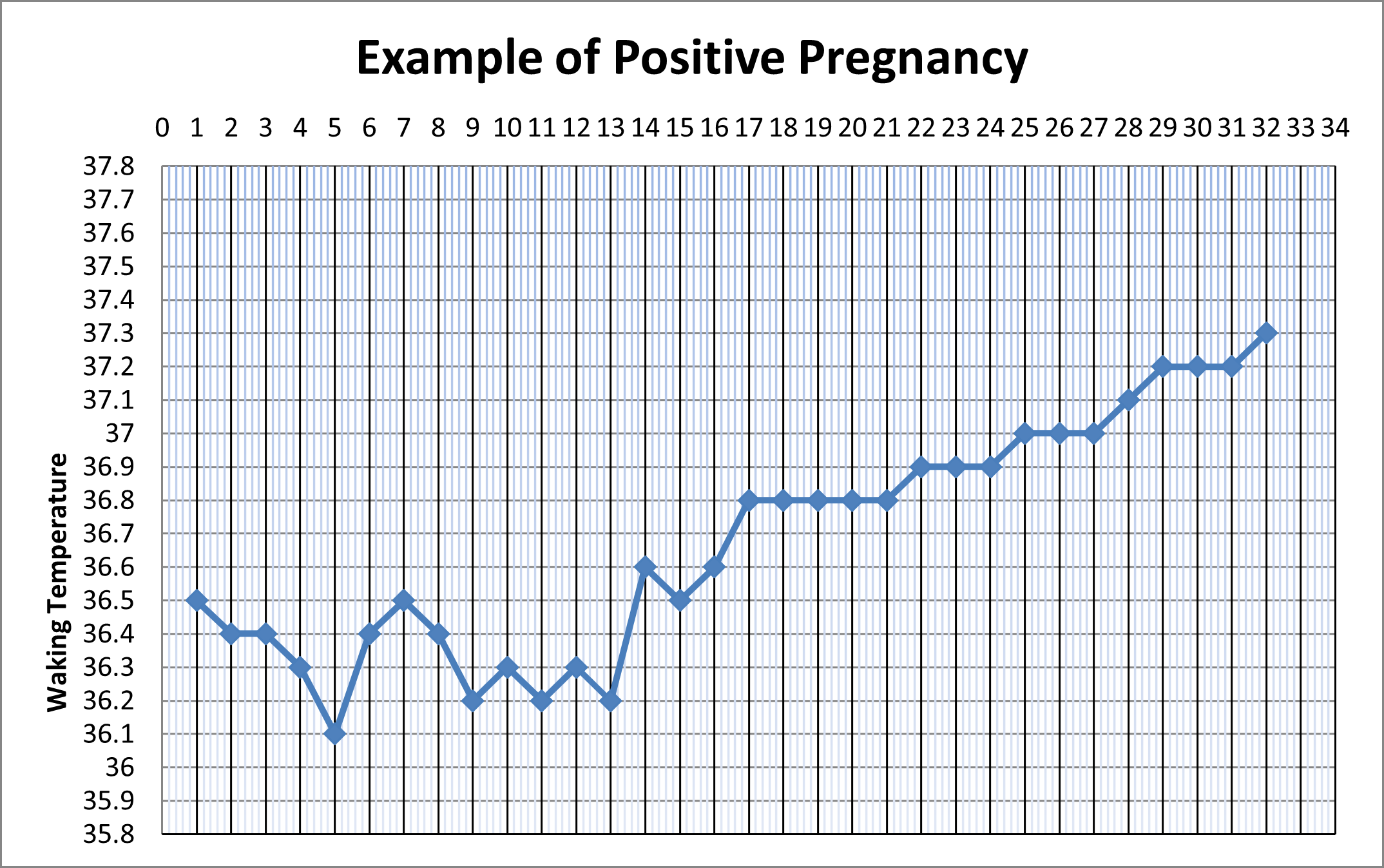
Charting Your Menstrual Cycle Shire Natural Fertililty
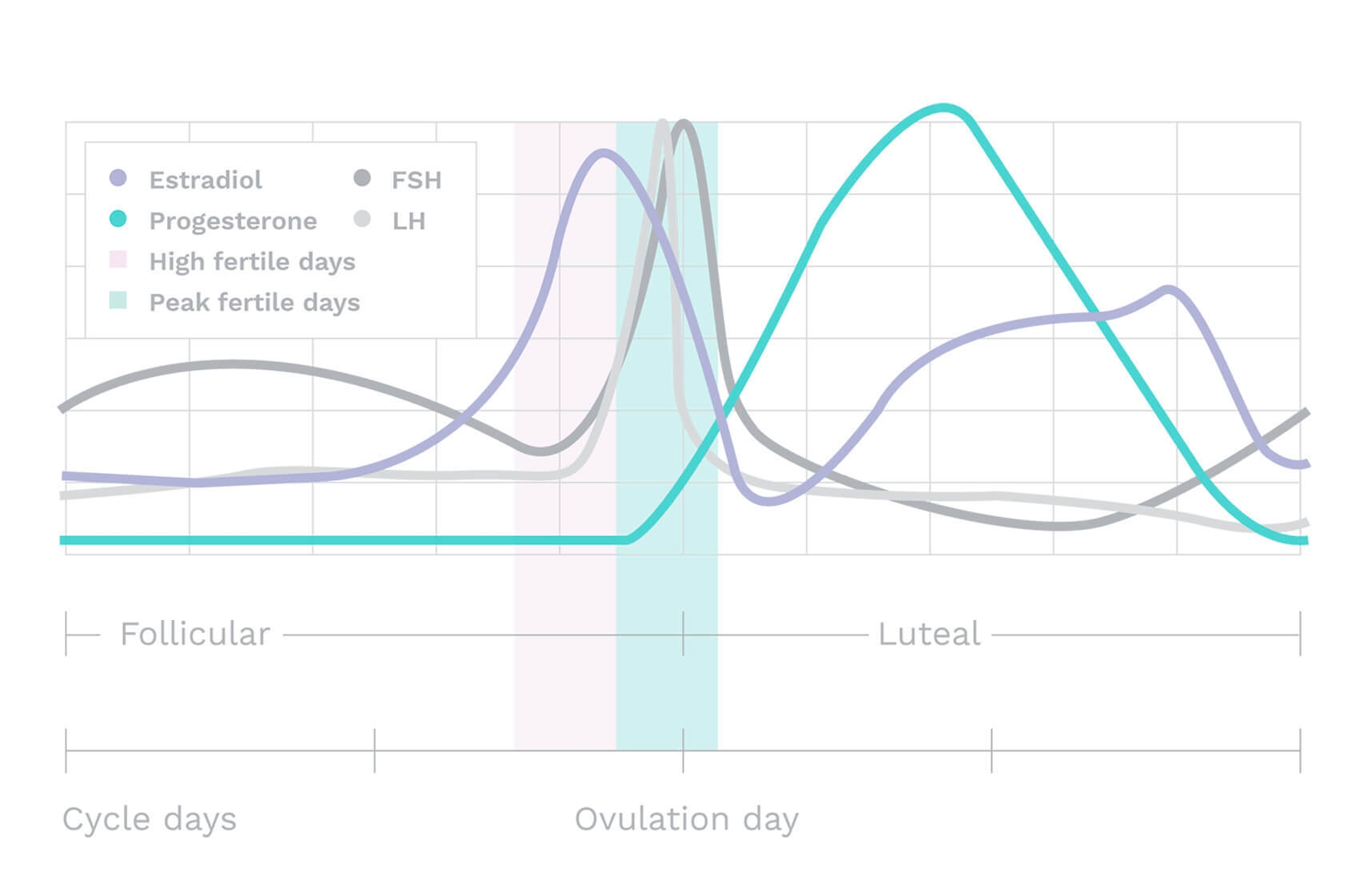
How To Use Basal Body Temperature To Determine Ovulation