For many women, trying to conceive can be a thrilling yet nerve-wracking experience. One of the most effective ways to detect pregnancy is by tracking basal body temperature. Basal body temperature refers to the temperature of the body at rest, usually taken immediately after waking up in the morning. By monitoring this temperature, women can identify subtle changes in their body that may indicate conception.
A basal body temp chart is a simple yet powerful tool that helps women track their temperature over time. This chart can provide valuable insights into the menstrual cycle and ovulation, making it easier to pinpoint the fertile window. By using a basal body temp chart, women can increase their chances of getting pregnant and monitor their body’s response to conception.
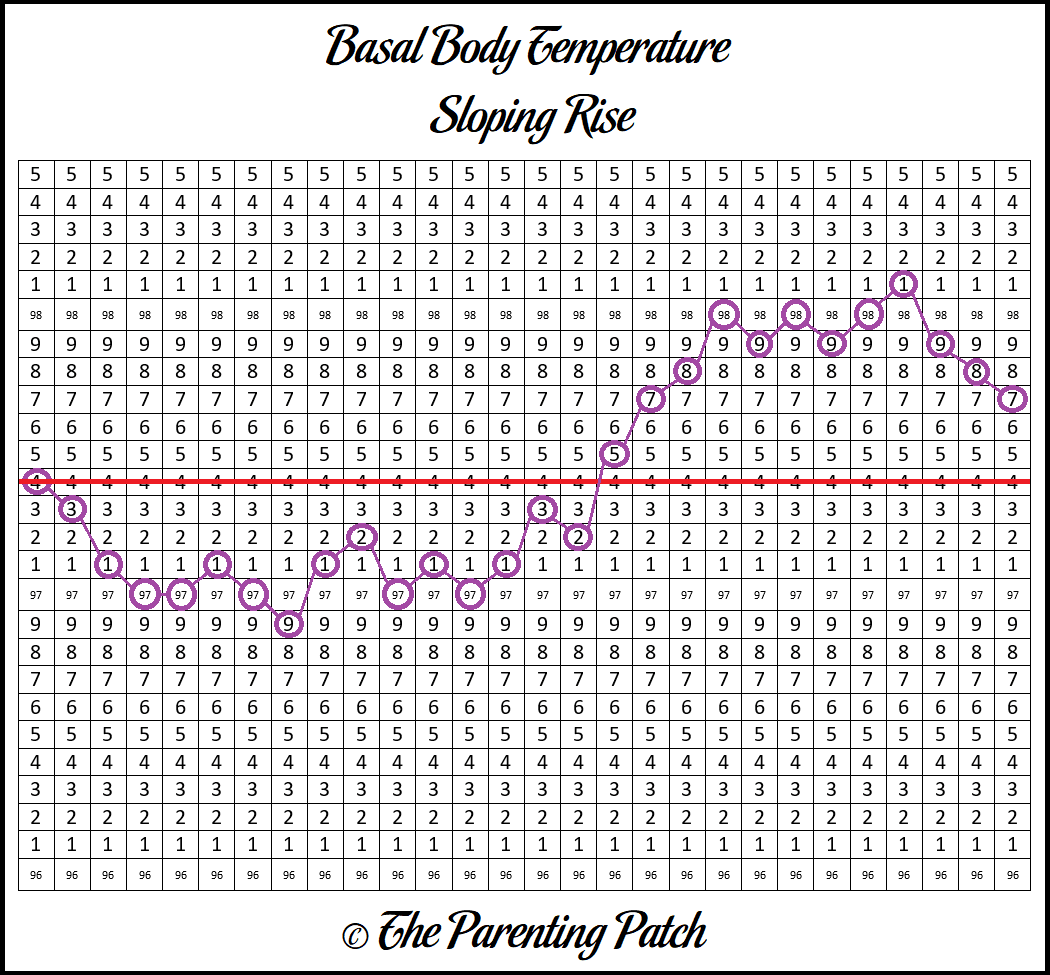
Basal Body Temperature Chart Patterns
Understanding Basal Body Temperature
Basal body temperature is influenced by hormonal fluctuations throughout the menstrual cycle. Before ovulation, the temperature is usually lower, ranging from 97.2 to 97.7 degrees Fahrenheit. After ovulation, the temperature increases by about 0.4 to 1 degree, reaching 97.8 to 98.2 degrees Fahrenheit. Understanding these temperature shifts is crucial for creating an accurate basal body temp chart.
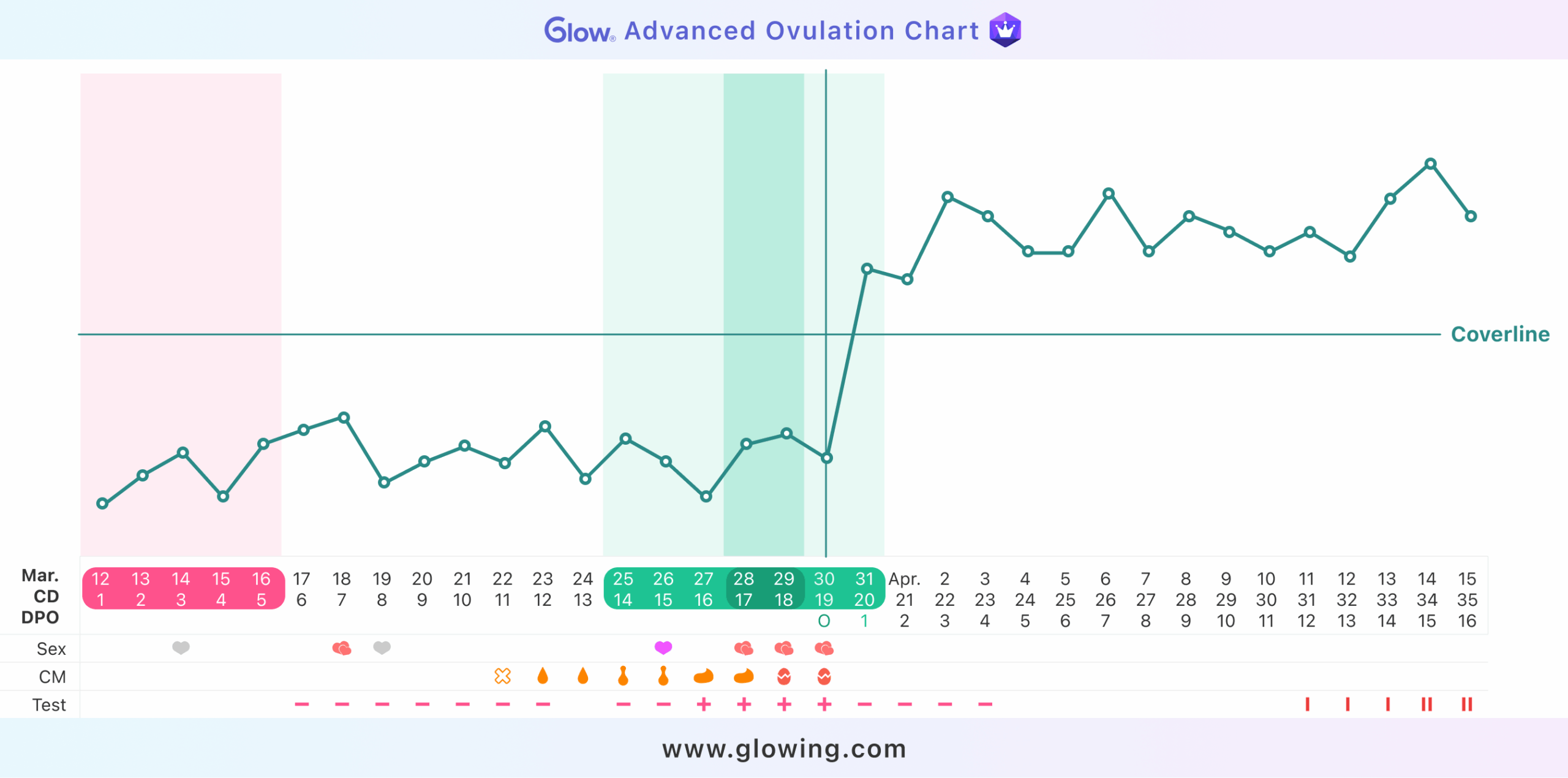
Learn The Basics Behind Basal Body Temperature BBT Glow Community
How to Create a Basal Body Temp Chart
Creating a basal body temp chart is a straightforward process that requires a digital thermometer and a tracking device, such as a spreadsheet or a mobile app. Women should take their temperature at the same time every morning, before getting out of bed or engaging in any physical activity. The temperature reading should be recorded and plotted on a chart, along with the date and any notable events, such as menstruation or ovulation.
Interpreting Your Basal Body Temp Chart for Pregnancy
Interpreting a basal body temp chart for pregnancy involves looking for a sustained temperature increase after ovulation. If the temperature remains elevated for 18 days or more, it may indicate that implantation has occurred, and pregnancy is possible. However, it’s essential to note that basal body temperature is not a definitive indicator of pregnancy, and women should consult their healthcare provider for a confirmation.
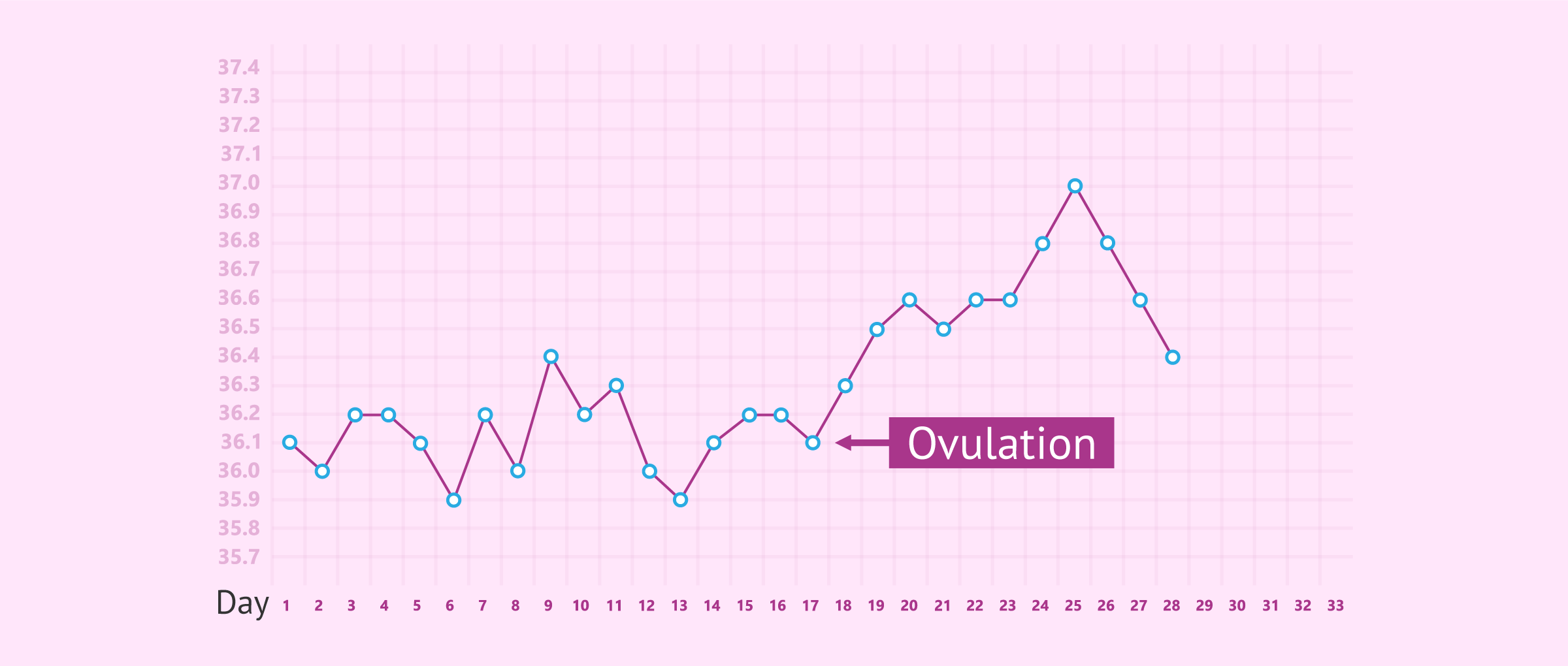
Chart For The Basal Temperature Method
By using a basal body temp chart, women can gain a deeper understanding of their menstrual cycle and increase their chances of getting pregnant. While it’s not a foolproof method, tracking basal body temperature can provide valuable insights into the body’s response to conception. As with any fertility tracking method, it’s crucial to combine basal body temperature with other signs and symptoms, such as missed periods or morning sickness, to confirm pregnancy.
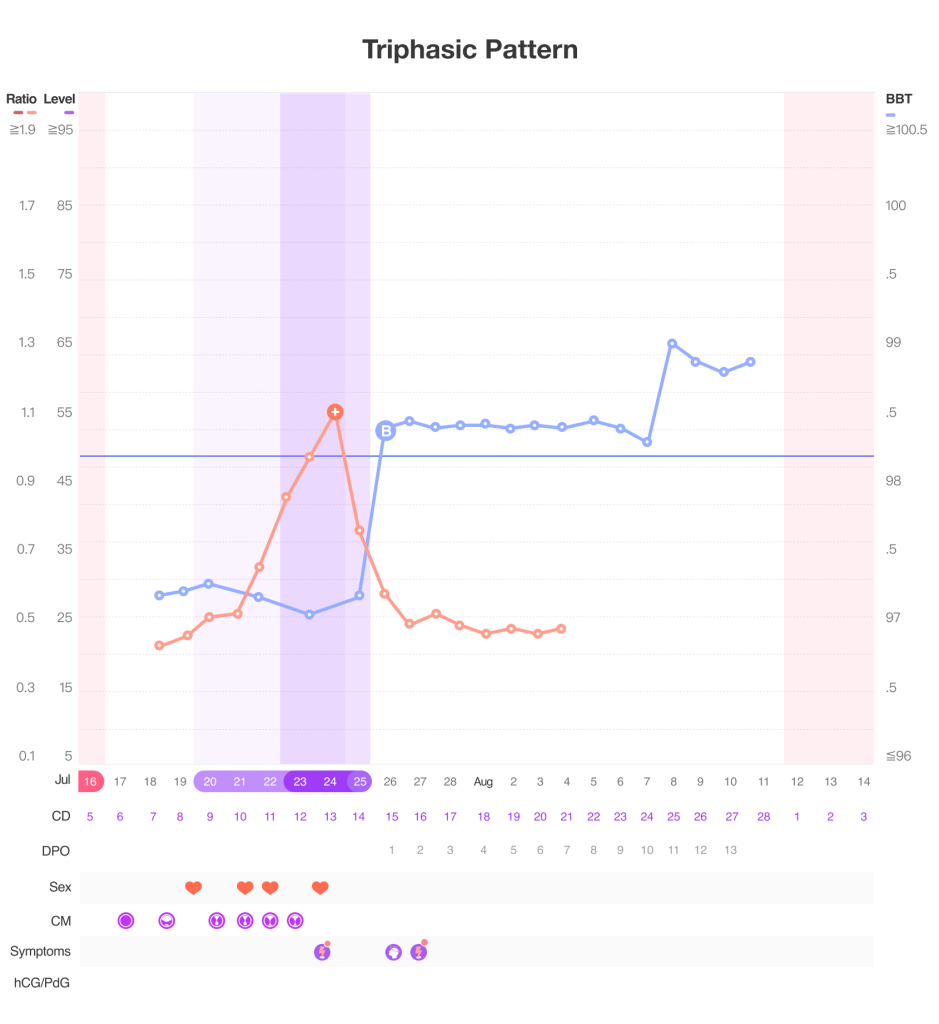
Why Your BBT Chart Looks Mesy And What To Do Premom
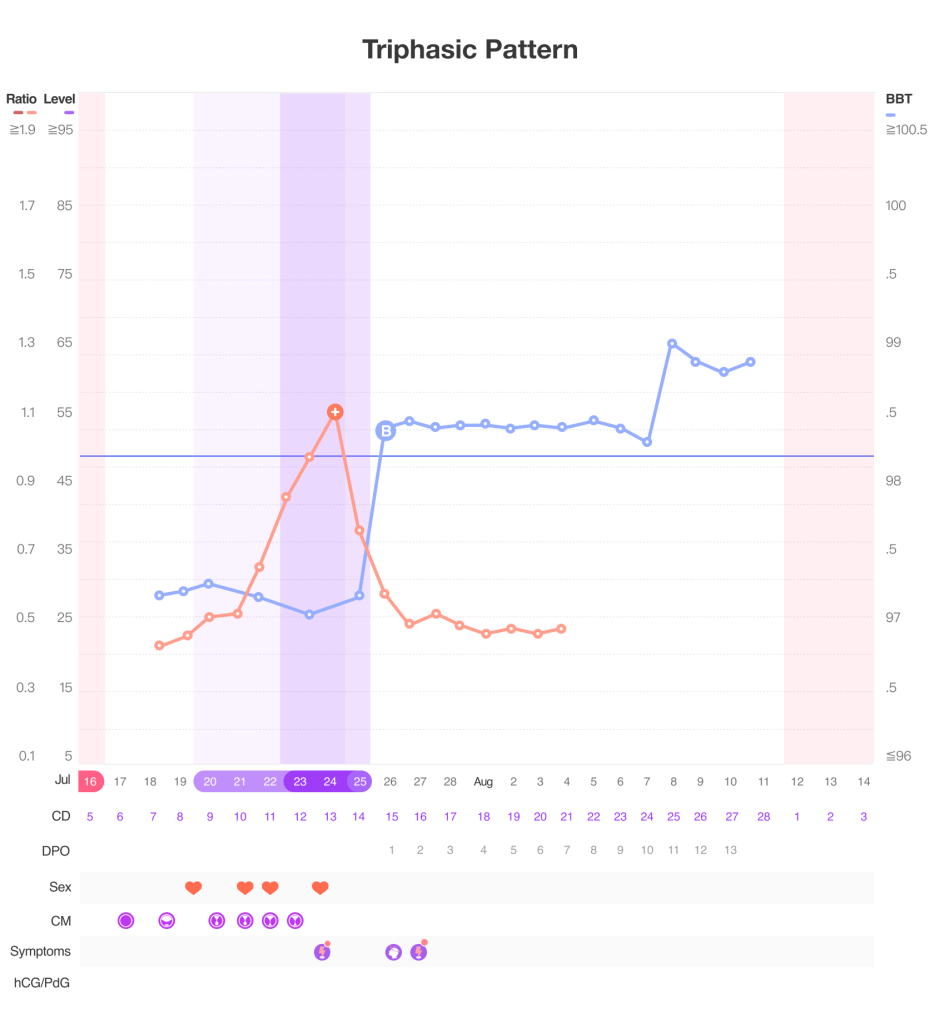
Why Your BBT Chart Looks Mesy And What To Do Premom