For women trying to conceive, tracking fertility can be a crucial step in planning for pregnancy. One effective method for monitoring fertility is by using a basal body temperature (BBT) chart. BBT is the temperature of the body at rest, and it can provide valuable insights into the menstrual cycle and ovulation. By tracking BBT, women can identify their most fertile days and increase their chances of getting pregnant.
BBT charts have been used for decades as a natural and non-invasive method of family planning. The concept is simple: take your temperature every morning before getting out of bed, and record the results on a chart. Over time, the chart will show a pattern of temperature fluctuations that correspond to the different phases of the menstrual cycle. By analyzing these patterns, women can identify their unique fertility signals and make informed decisions about their reproductive health.
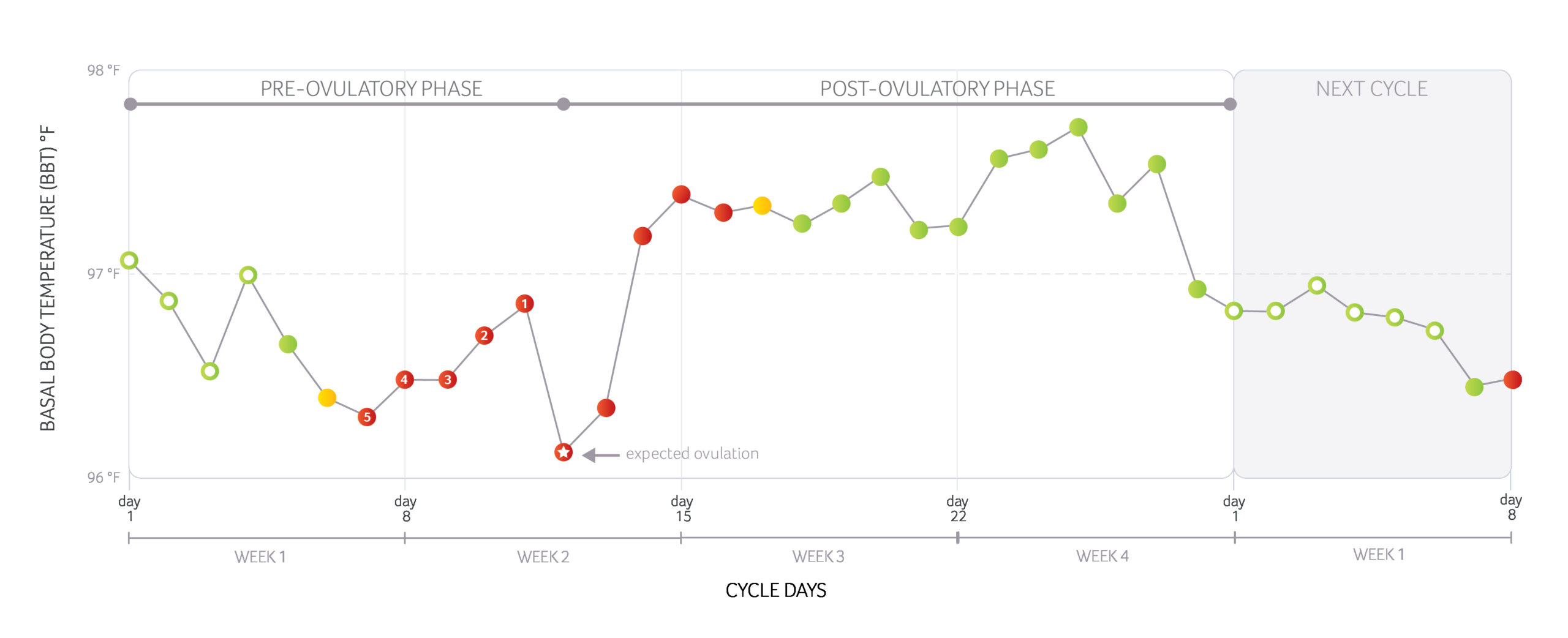
Basal Body Temperature Frequently Asked Questions
Understanding Basal Body Temperature
Basal body temperature is the lowest temperature of the body, typically measured immediately after waking up. It is influenced by the hormones estrogen and progesterone, which fluctuate throughout the menstrual cycle. During the follicular phase, estrogen dominates and BBT tends to be lower. After ovulation, progesterone takes over and BBT increases. By tracking these temperature shifts, women can determine when they are most fertile and when they are likely to ovulate.
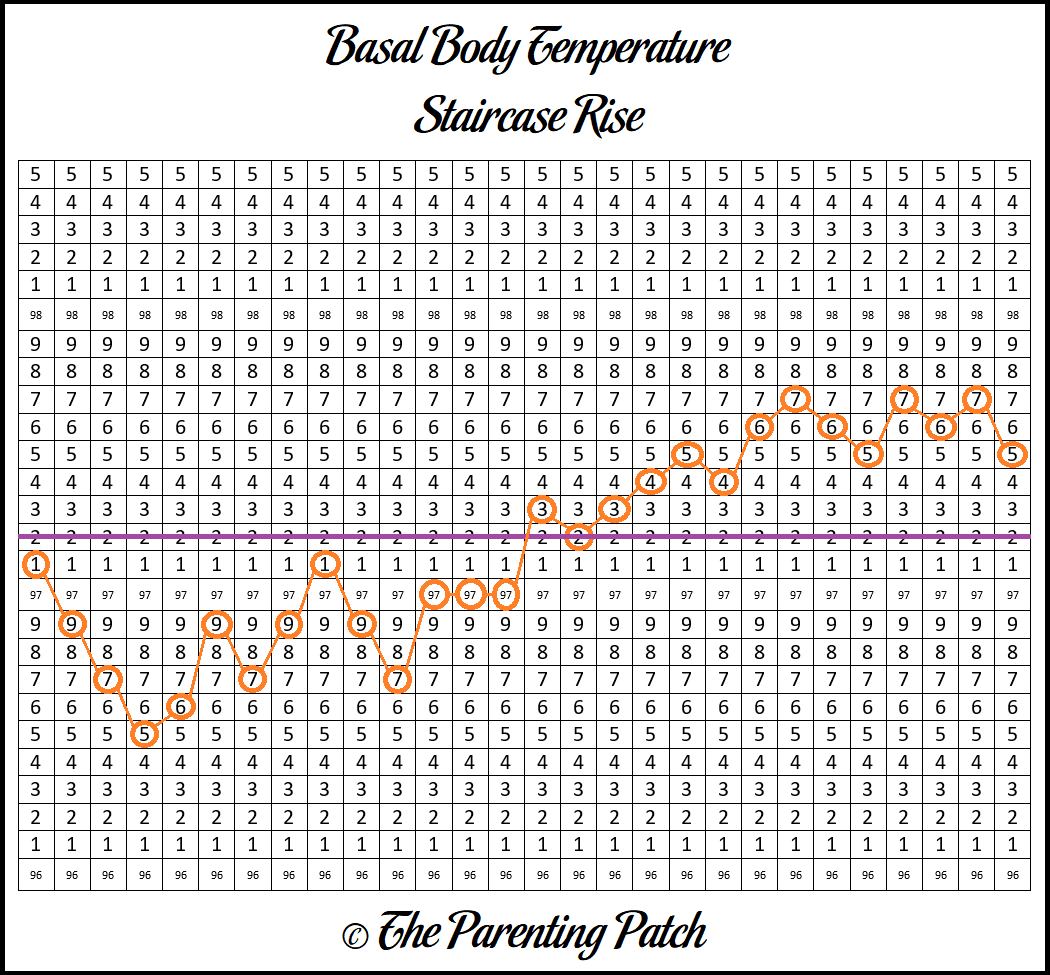
Basal Body Temperature Chart Patterns
Creating a Basal Body Temperature Chart
Creating a basal body temperature chart is a straightforward process. All you need is a thermometer and a chart or spreadsheet to record your temperatures. You can use a digital thermometer for accuracy and convenience. Take your temperature at the same time every morning, before getting out of bed or engaging in any physical activity. Record the temperature on your chart, and look for patterns over time. You can also use online tools or apps to create and analyze your BBT chart.
Interpreting Basal Body Temperature Chart Examples
Interpreting basal body temperature chart examples requires some practice and patience. Look for a temperature shift of at least 0.4°F (0.2°C) after ovulation, which indicates a rise in progesterone levels. You may also notice a dip in temperature before ovulation, followed by a sharp increase. By analyzing these patterns, you can identify your fertile window and plan accordingly. It’s essential to remember that BBT charts are not 100% accurate, and other factors like sleep, stress, and illness can influence temperature readings.
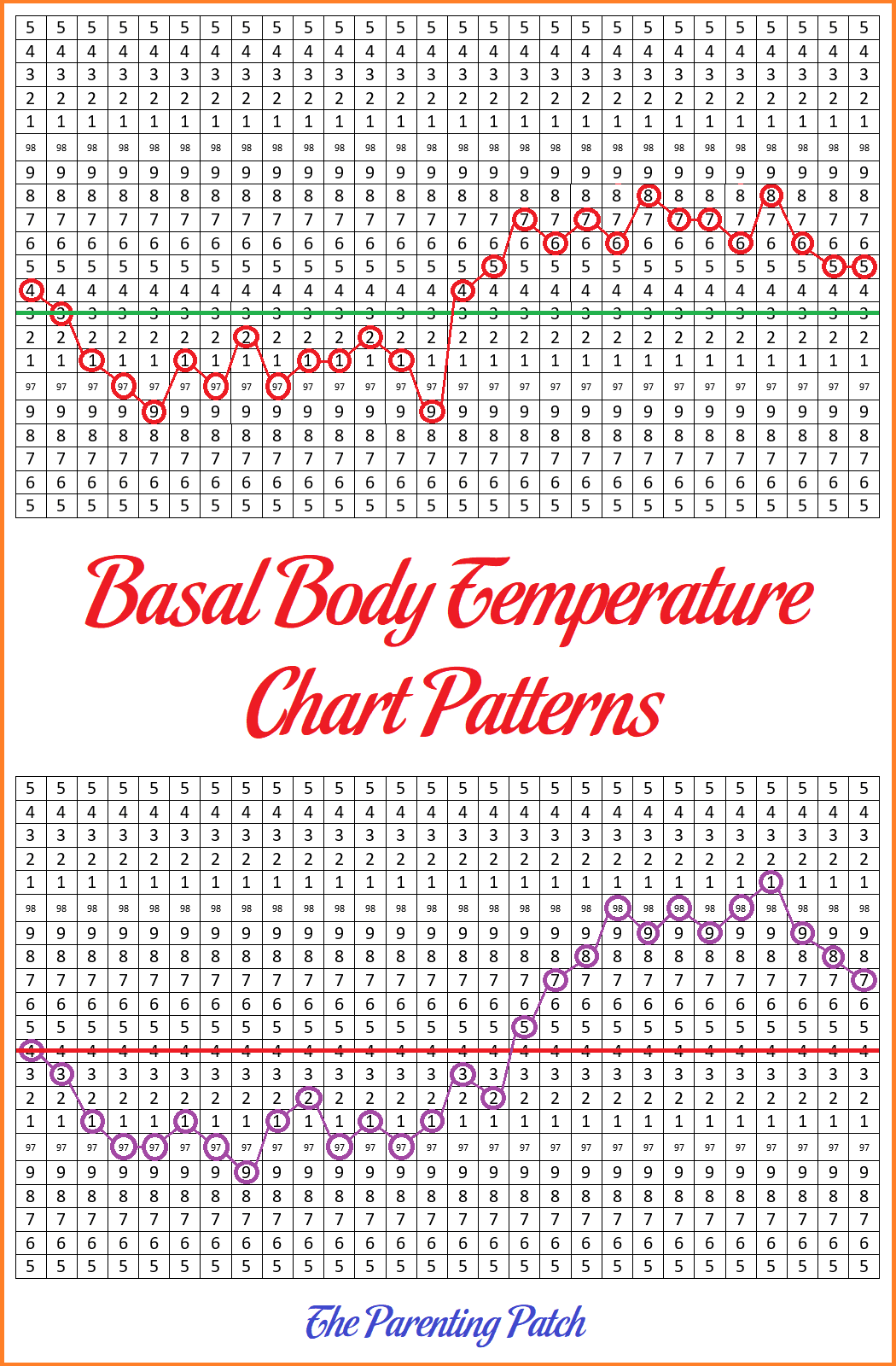
Basal Body Temperature Chart Patterns
By using basal body temperature chart examples and tracking your own fertility signals, you can gain a deeper understanding of your reproductive health and increase your chances of getting pregnant. Remember to combine BBT tracking with other fertility awareness methods, such as cervical mucus observation and ovulation predictor kits, for a more comprehensive approach to family planning. With patience, persistence, and the right tools, you can take control of your fertility and achieve your reproductive goals.
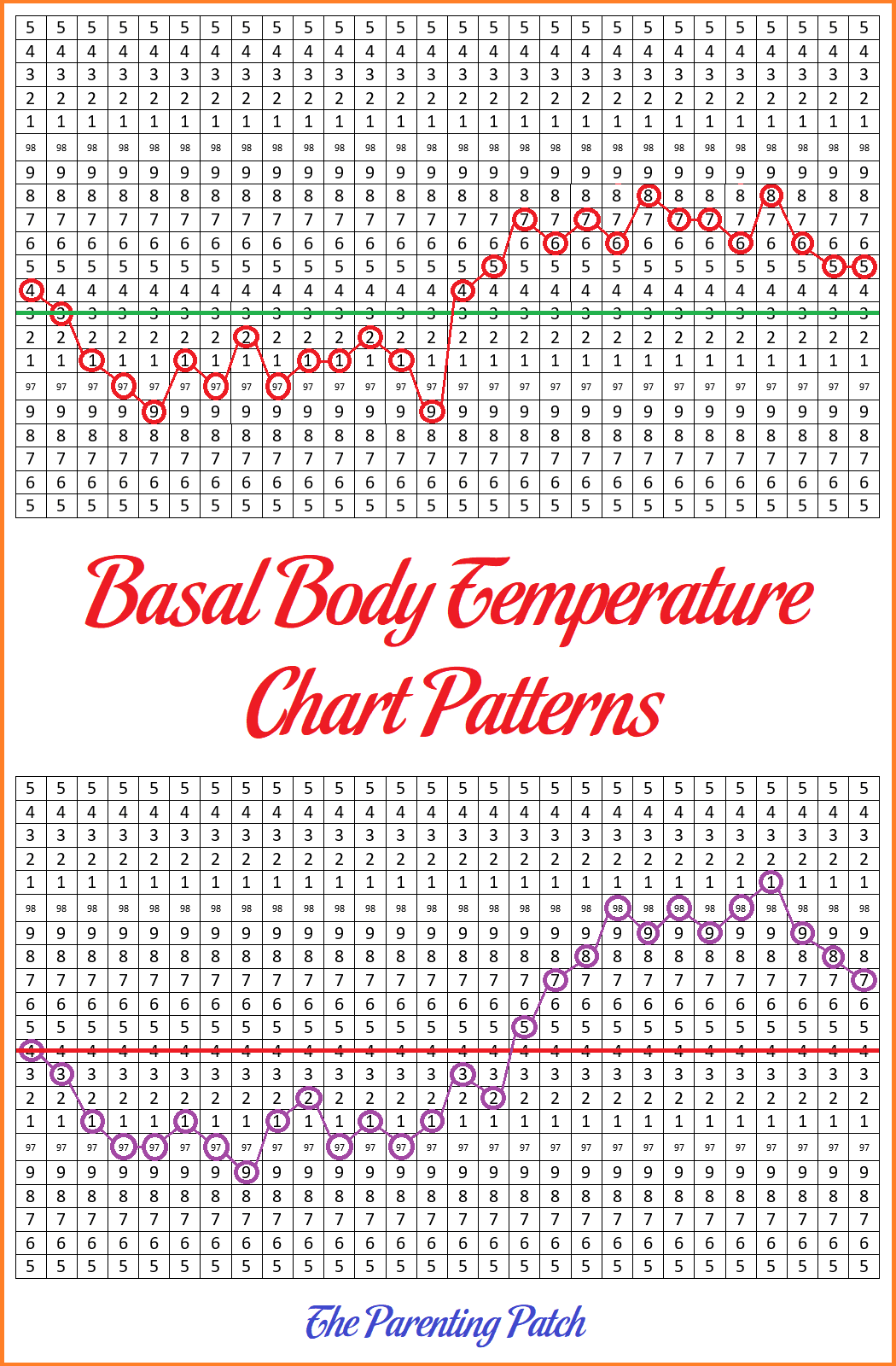
Basal Body Temperature Chart Patterns
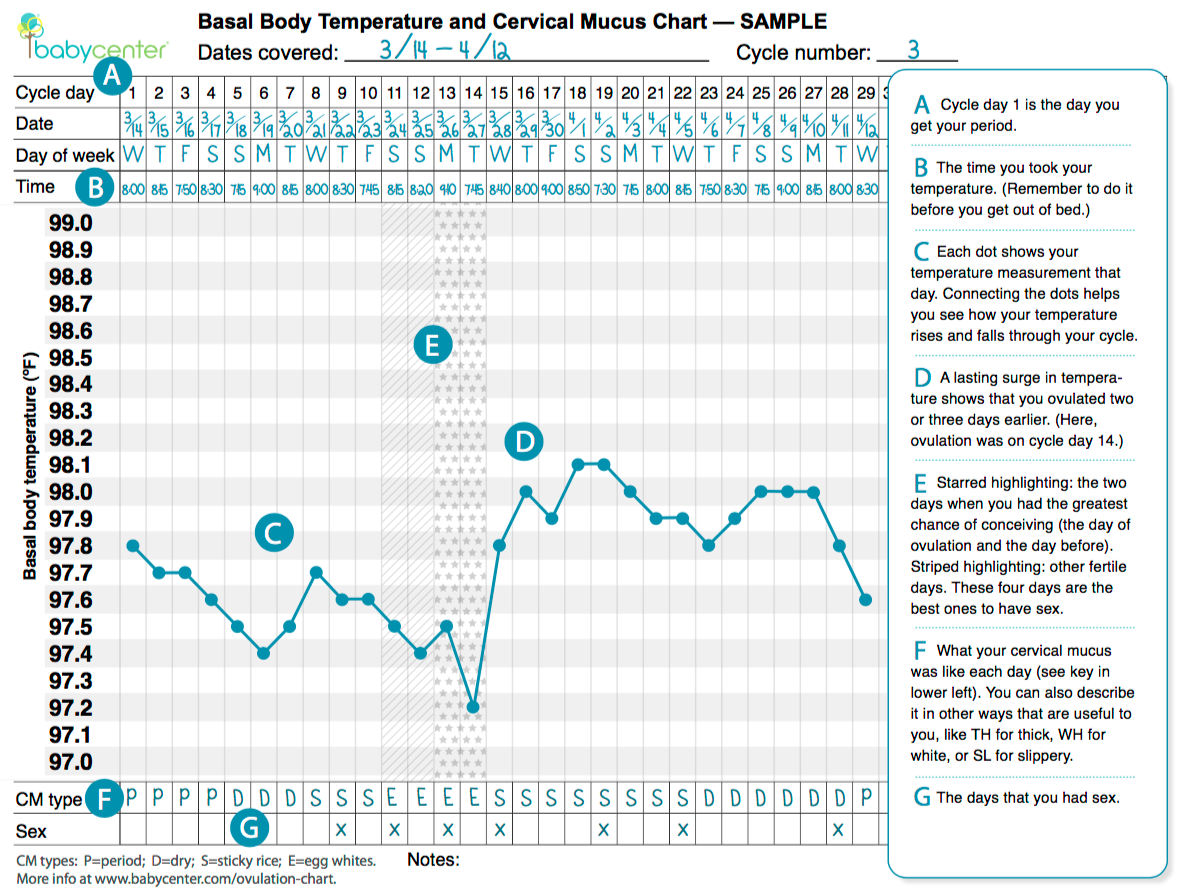
Get Pregnant Track Your Cycle Basal Body Temperature Charting Basics HolisticZen