For women trying to conceive, understanding their body’s natural rhythms and cycles is crucial. One often-overlooked aspect of fertility tracking is basal body temperature, which can provide valuable insights into a woman’s reproductive health. Basal body temperature refers to the body’s temperature at rest, typically measured immediately after waking up. By tracking basal body temperature, women can identify patterns and changes that may indicate ovulation, menstruation, or even pregnancy.
A basal body temperature chart is a simple yet effective tool for tracking fertility. By recording daily temperature readings, women can visualize their body’s natural fluctuations and identify trends. This information can be used to pinpoint ovulation, time intercourse, and even detect early signs of pregnancy. But how does it work, and what can women expect from using a basal body temperature chart? In this guide, we’ll delve into the world of basal body temperature and explore its relationship with fertility and pregnancy.
Basal Body Temperature Frequently Asked Questions
What is Basal Body Temperature?
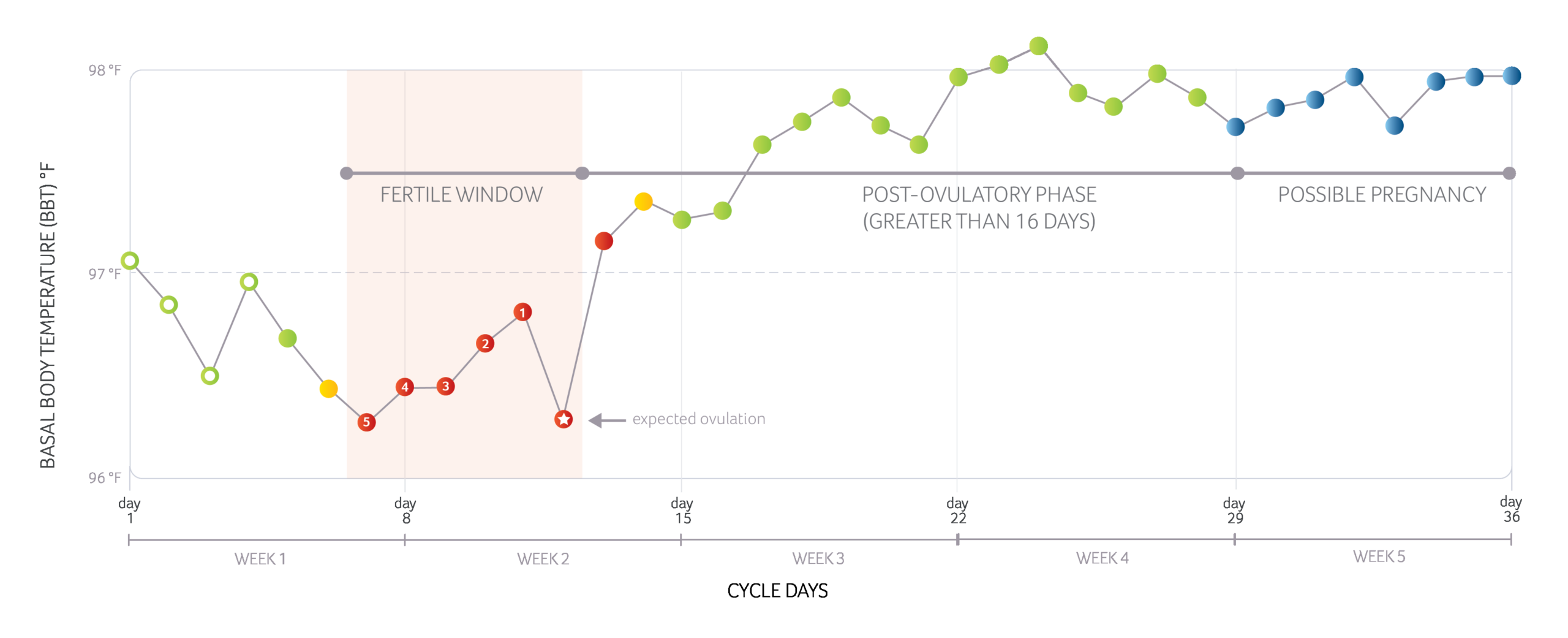
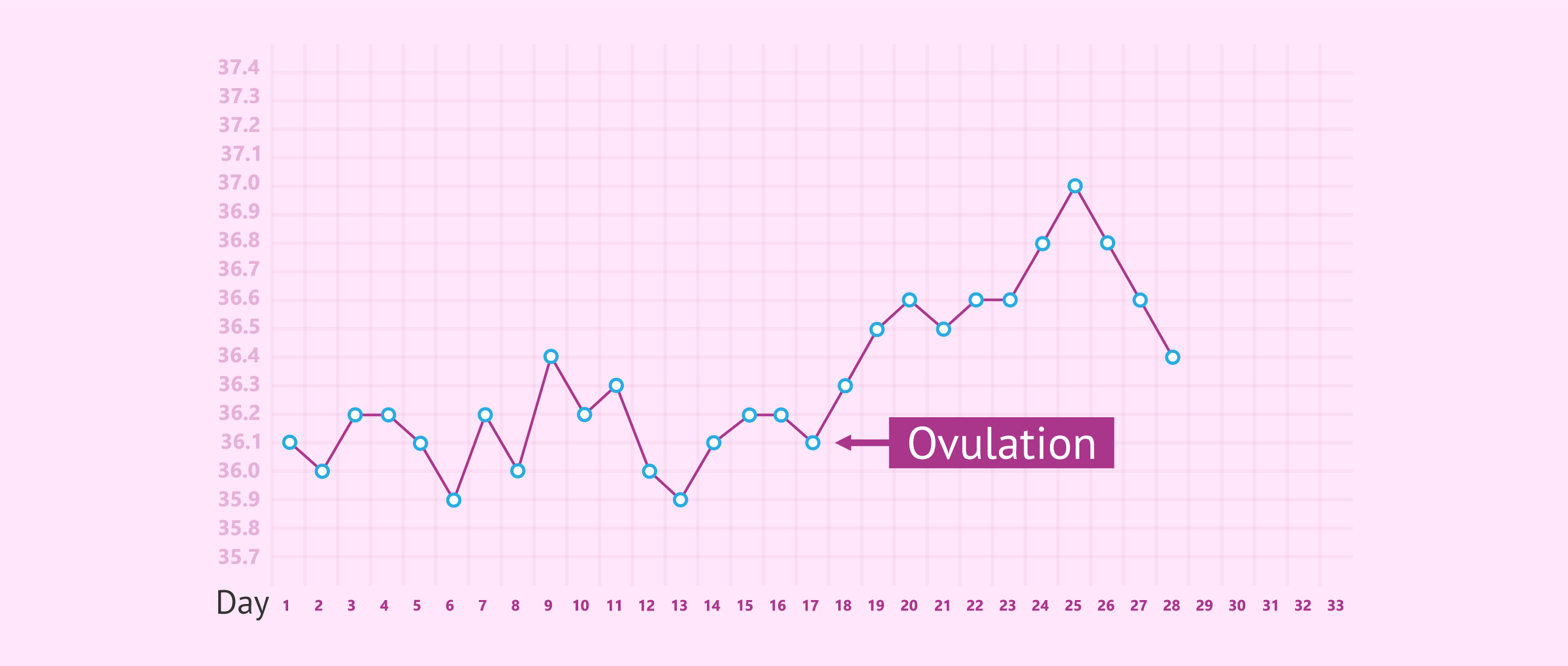
Basal body temperature is the body’s temperature at rest, typically measured using a digital thermometer. It’s usually taken immediately after waking up, before getting out of bed or engaging in any physical activity. The normal basal body temperature ranges from 97.2 to 97.7 degrees Fahrenheit, but it can vary slightly from woman to woman. By tracking basal body temperature, women can identify subtle changes that may indicate ovulation or other hormonal fluctuations. For example, a slight increase in temperature may signal that ovulation has occurred, while a sustained increase may indicate pregnancy.
How To Use A BBT Chart To Help You Fall Pregnant Point Specifics
How to Use a Basal Body Temperature Chart
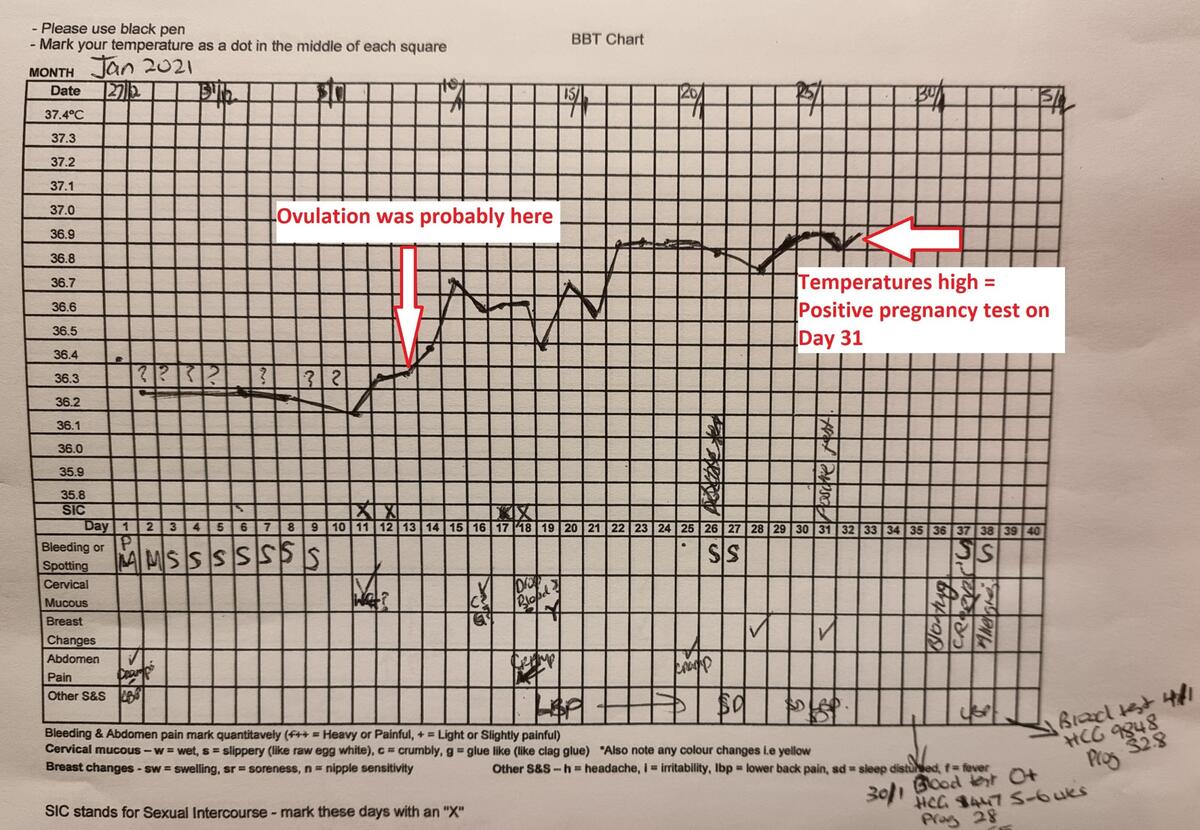
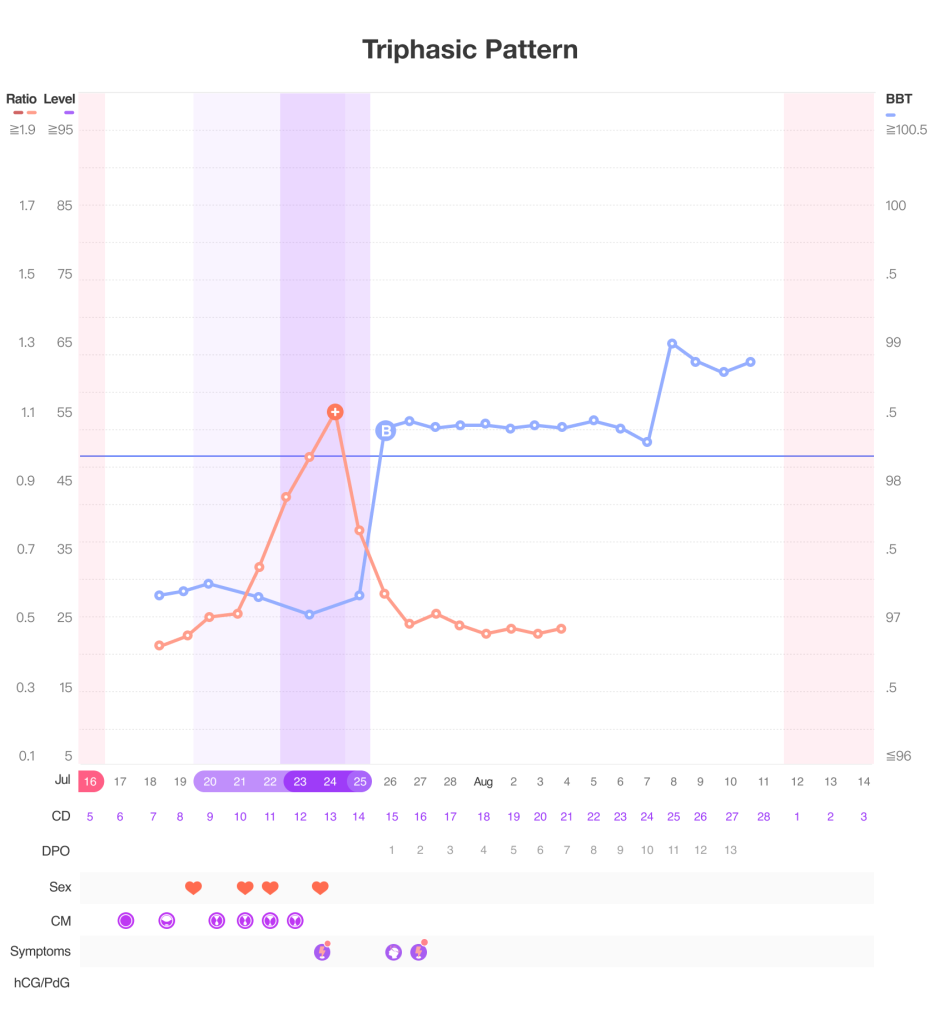
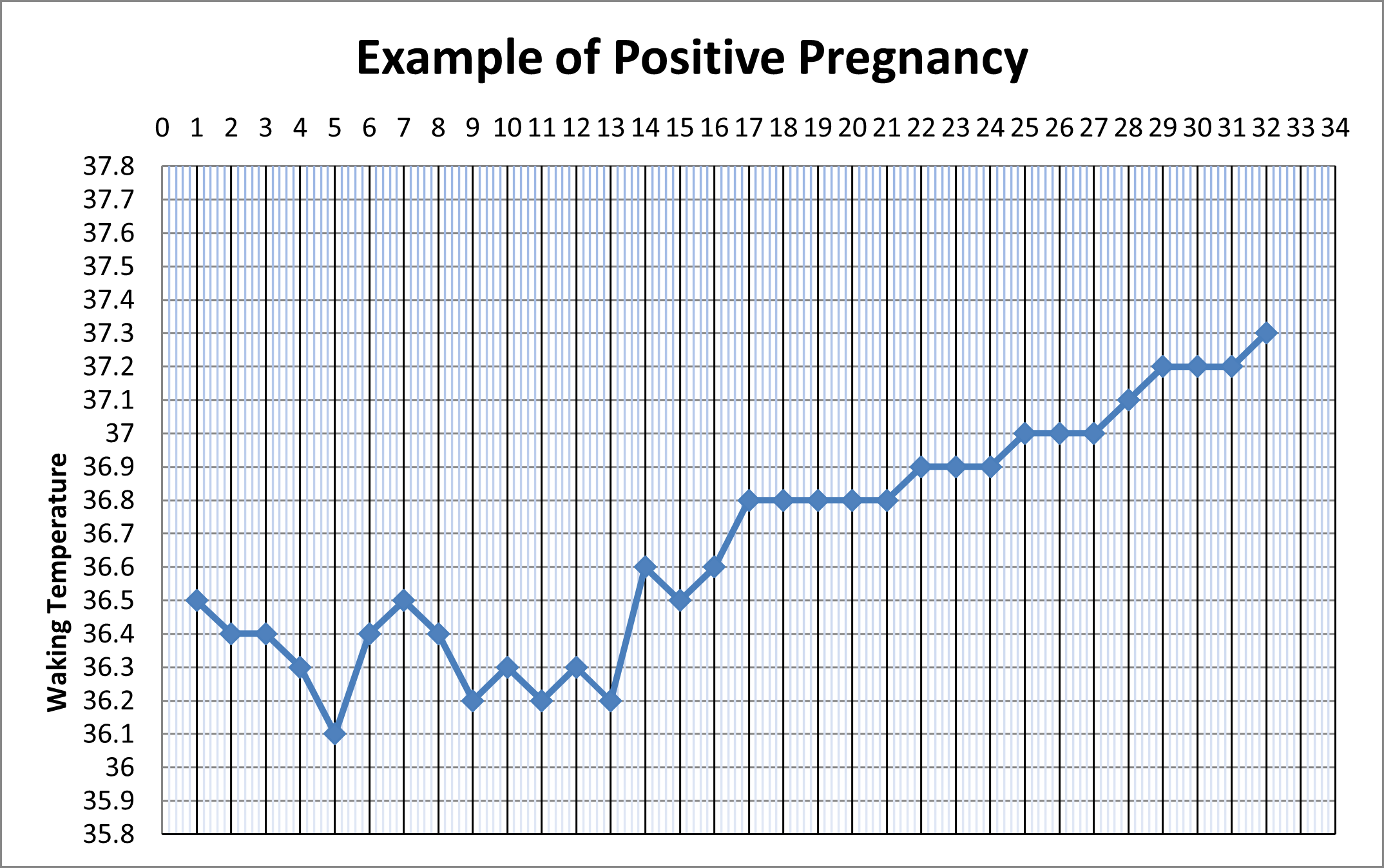
Using a basal body temperature chart is relatively straightforward. Women simply record their daily temperature readings on a chart or graph, noting any other relevant symptoms or events, such as menstruation or intercourse. By visualizing their temperature patterns, women can identify trends and changes that may indicate fertility or pregnancy. For example, a woman may notice a consistent temperature shift after ovulation, or a sustained increase in temperature during early pregnancy. By tracking these patterns, women can gain a deeper understanding of their body’s natural rhythms and make informed decisions about their reproductive health.
Interpreting Your Basal Body Temperature Chart
Interpreting a basal body temperature chart requires some practice and patience. Women should look for subtle changes in temperature, such as a slight increase or decrease, and note any corresponding symptoms or events. For example, a woman may notice a temperature shift after ovulation, followed by a sustained increase during early pregnancy. By analyzing these patterns, women can identify potential fertility windows and time intercourse accordingly. Additionally, women can use their basal body temperature chart to detect early signs of pregnancy, such as a sustained temperature increase or other hormonal fluctuations.
Why Your BBT Chart Looks Mesy And What To Do Premom
In conclusion, a basal body temperature chart is a valuable tool for women trying to conceive or track their fertility. By understanding the science behind basal body temperature and how to use a chart effectively, women can gain a deeper insight into their body’s natural rhythms and make informed decisions about their reproductive health. Whether trying to conceive or simply seeking a better understanding of their body, a basal body temperature chart is a simple yet powerful tool that can provide valuable insights and support women on their journey to parenthood.
What Is The Basal Body Temperature Method And How Is It Performed
Charting Your Menstrual Cycle Shire Natural Fertililty