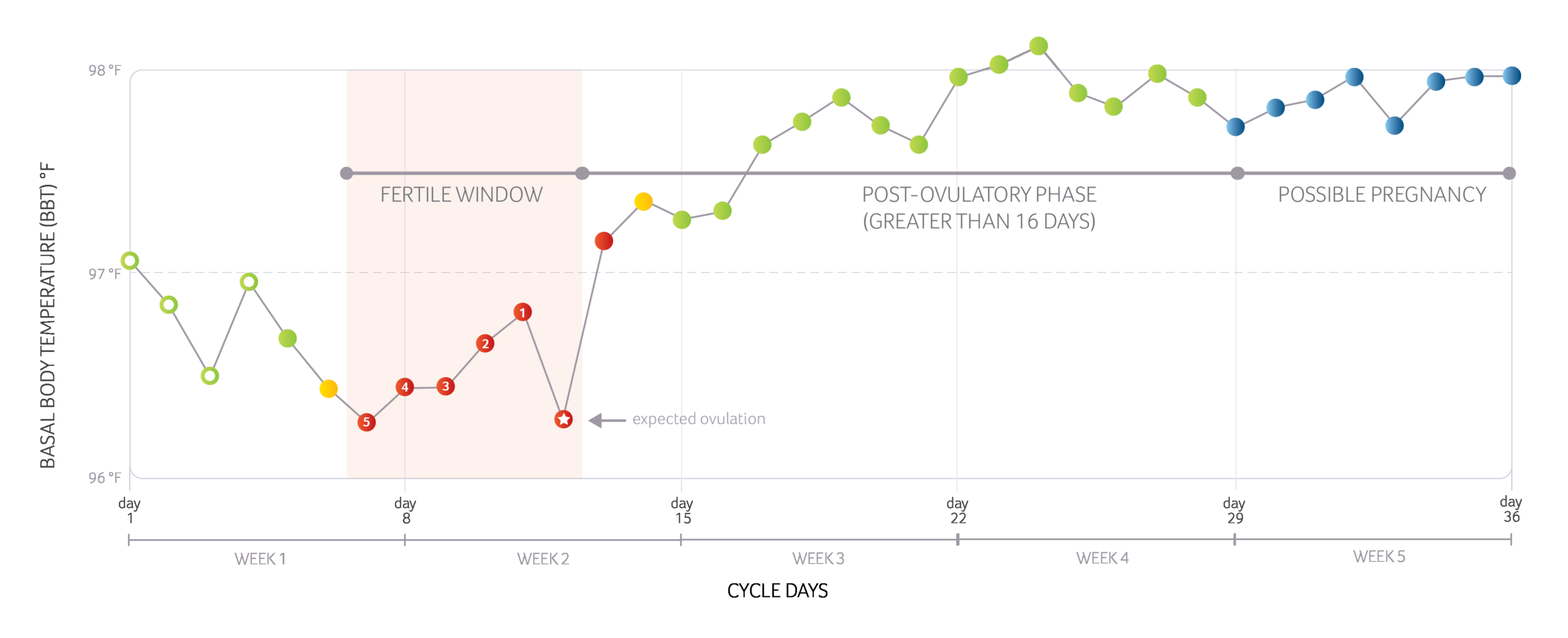
Tracking body temperature has become a popular method for monitoring fertility and overall health. Two common approaches are using a basal body temperature chart and taking evening temperature readings. While both methods involve measuring body temperature, they differ in their approach and application. A basal body temperature chart typically involves taking temperature readings at the same time every morning, before getting out of bed. This method is often used to track changes in temperature that occur during the menstrual cycle, which can indicate ovulation and fertility.
On the other hand, evening temperature readings involve taking temperature measurements in the evening, usually before bed. This method can provide insight into the body’s temperature fluctuations throughout the day. By comparing basal body temperature charts with evening temperature readings, individuals can gain a more comprehensive understanding of their body’s temperature patterns and how they relate to fertility and overall health. However, it’s essential to understand the differences between these two methods to use them effectively.
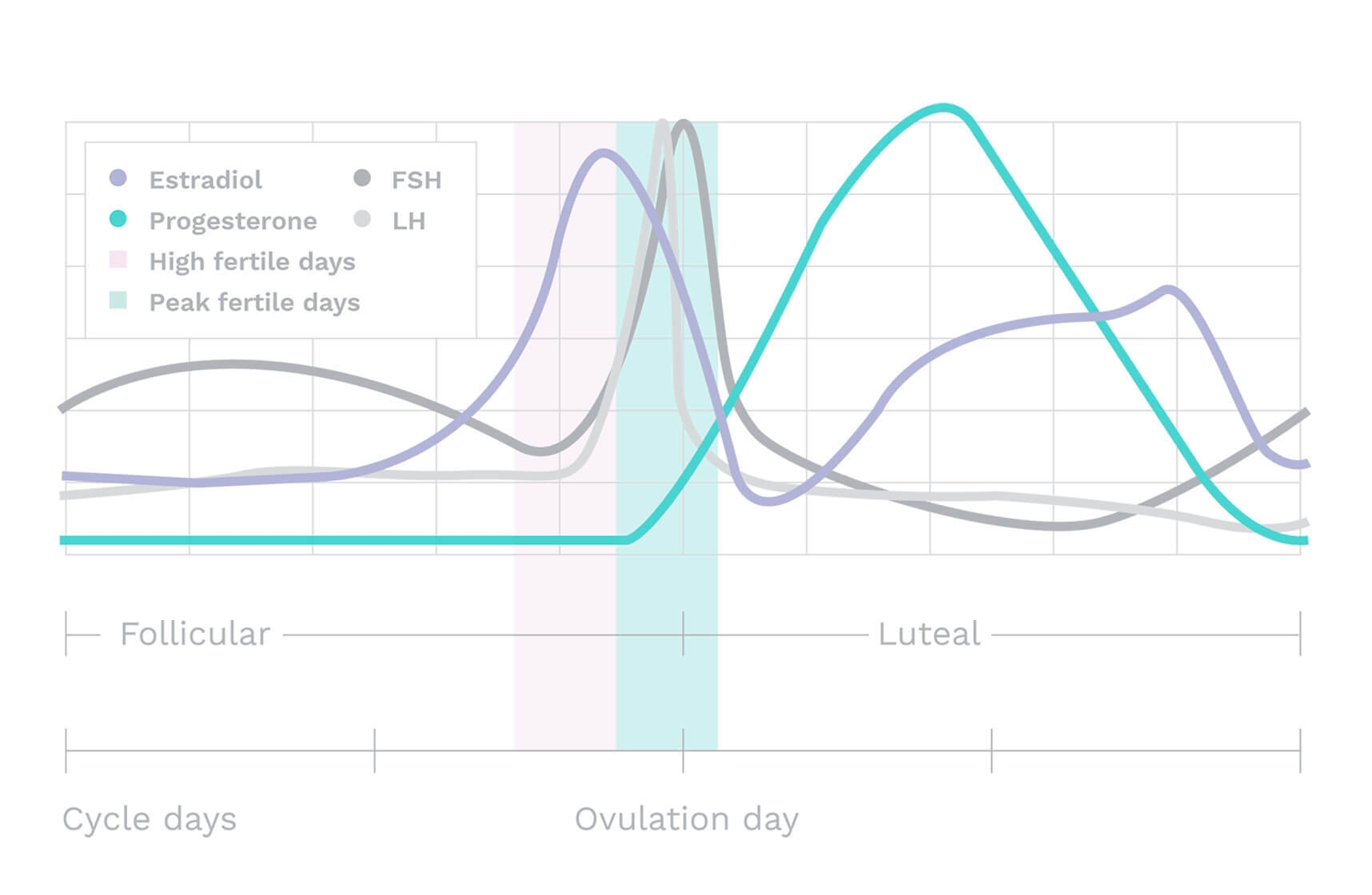
How To Use Basal Body Temperature To Determine Ovulation
What is Basal Body Temperature?
Basal body temperature refers to the body’s temperature at rest, typically measured in the morning before any physical activity. This temperature reading can provide valuable information about the body’s hormonal changes, particularly during the menstrual cycle. By tracking basal body temperature, individuals can identify patterns and changes that may indicate ovulation, making it a useful tool for fertility planning and monitoring.
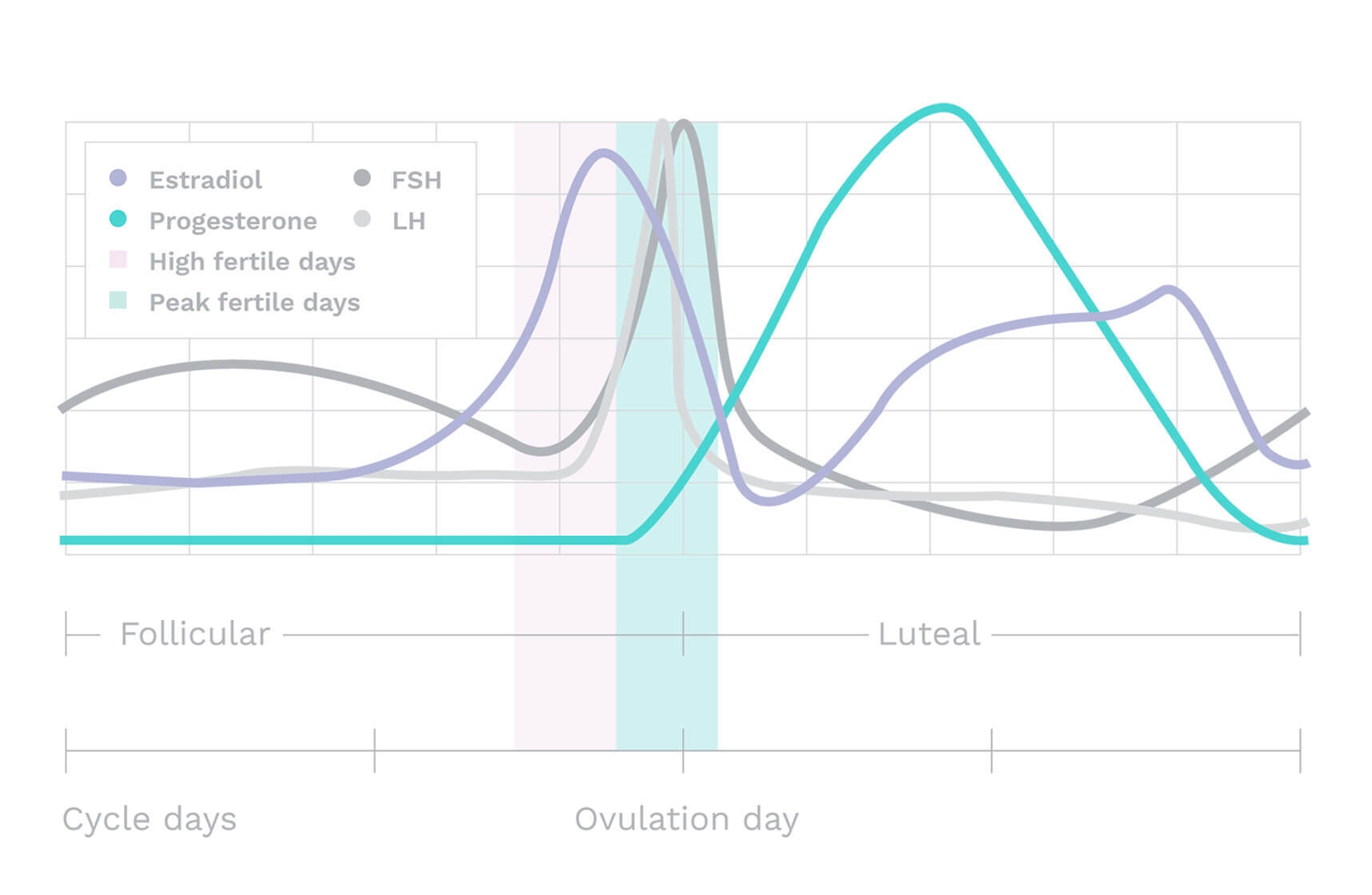
How To Use Basal Body Temperature To Determine Ovulation
How to Take Evening Temperature
Taking evening temperature readings can provide additional insight into the body’s temperature fluctuations throughout the day. This method can help identify any deviations from the normal temperature range, which may indicate underlying health issues or infections. To take an accurate evening temperature reading, it’s essential to follow a consistent routine, such as taking the temperature at the same time every evening, and using a reliable thermometer.
Benefits of Tracking Basal Body Temperature
Tracking basal body temperature can have several benefits, including identifying ovulation, monitoring fertility, and detecting any underlying health issues. By analyzing the temperature patterns, individuals can gain a better understanding of their body’s hormonal changes and make informed decisions about their reproductive health. Additionally, tracking basal body temperature can help identify any irregularities in the menstrual cycle, which can be an indicator of underlying health issues.
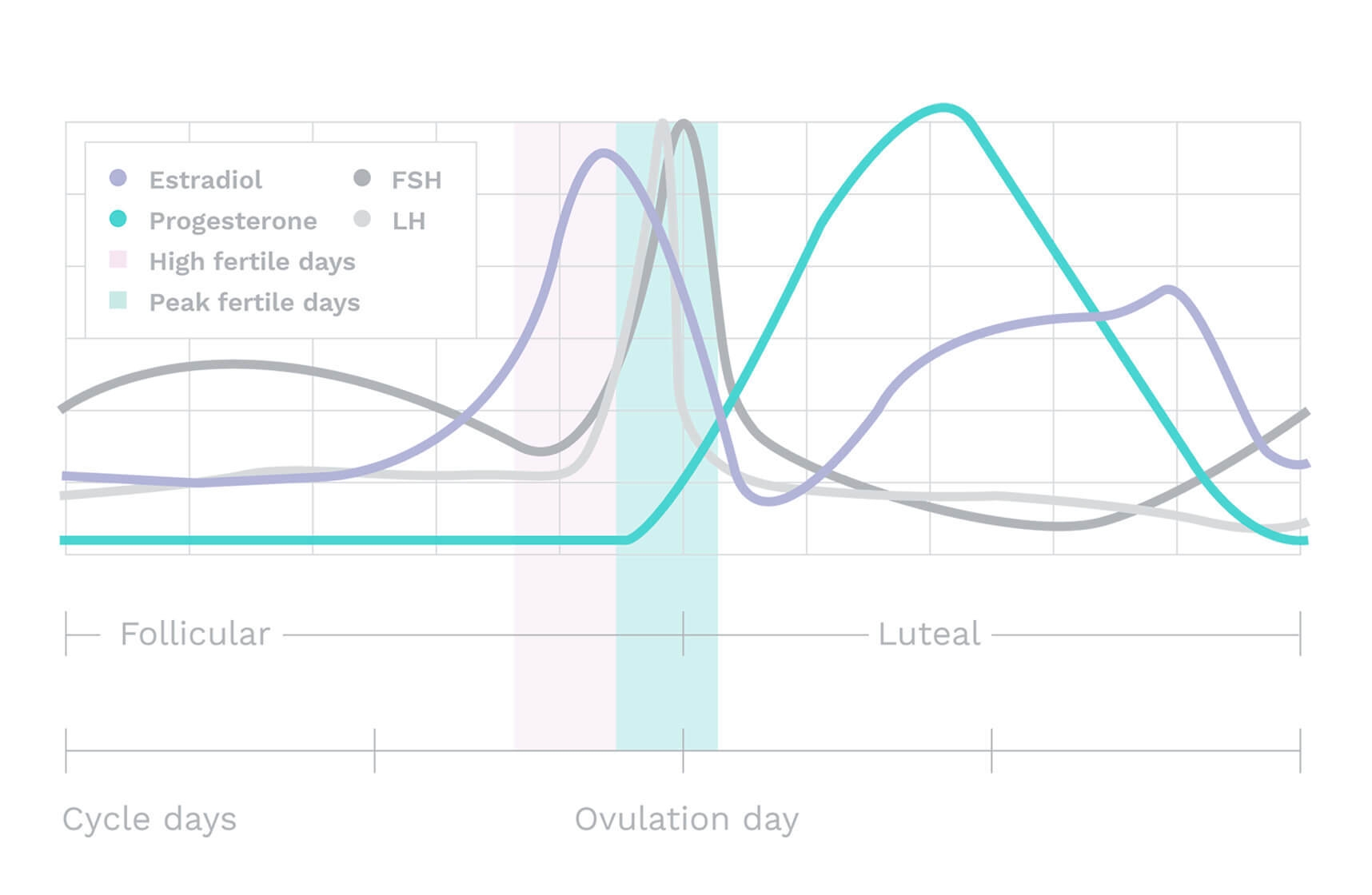
How To Use Basal Body Temperature To Determine Ovulation
In conclusion, basal body temperature charts and evening temperature readings are two distinct methods for tracking body temperature. While both methods have their benefits, it’s essential to understand the differences between them to use them effectively. By combining these methods and tracking temperature patterns, individuals can gain a more comprehensive understanding of their body’s temperature fluctuations and make informed decisions about their fertility and overall health.
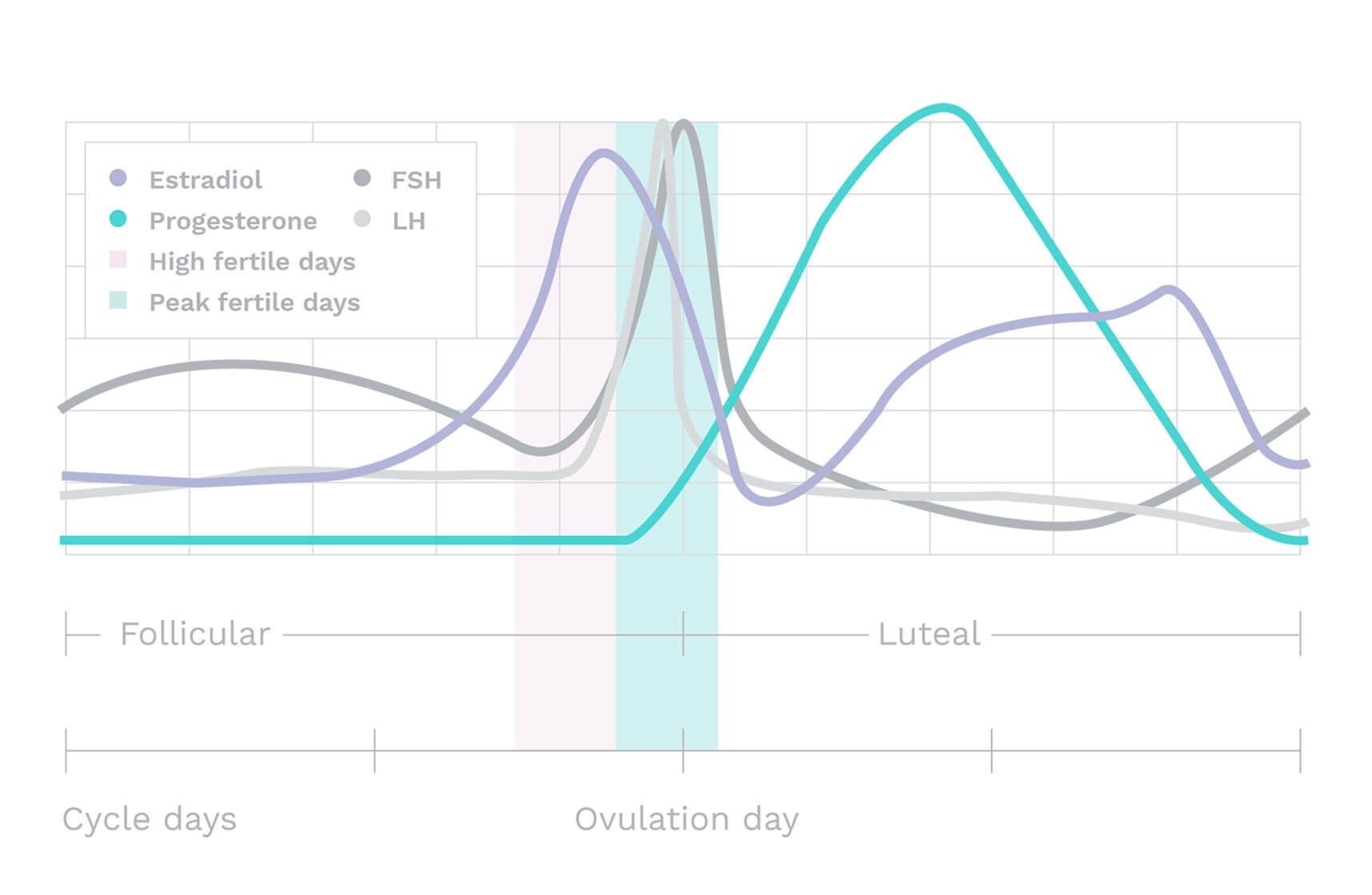
How To Use Basal Body Temperature To Determine Ovulation
Basal Body Temperature Frequently Asked Questions