Basal body temperature charting is a simple yet powerful tool for understanding your body’s natural rhythms and cycles. By tracking your temperature each day, you can gain insights into your fertility, hormonal balance, and overall health. This natural and non-invasive method has been used for decades to help women plan their families, monitor their health, and optimize their well-being.
The concept of basal body temperature charting is based on the idea that your body temperature changes in response to hormonal fluctuations throughout your menstrual cycle. By charting these changes, you can identify patterns and trends that can help you predict ovulation, detect early pregnancy, and even diagnose underlying health issues. Whether you’re trying to conceive, avoid pregnancy, or simply take control of your health, basal body temperature charting is a valuable technique to learn.
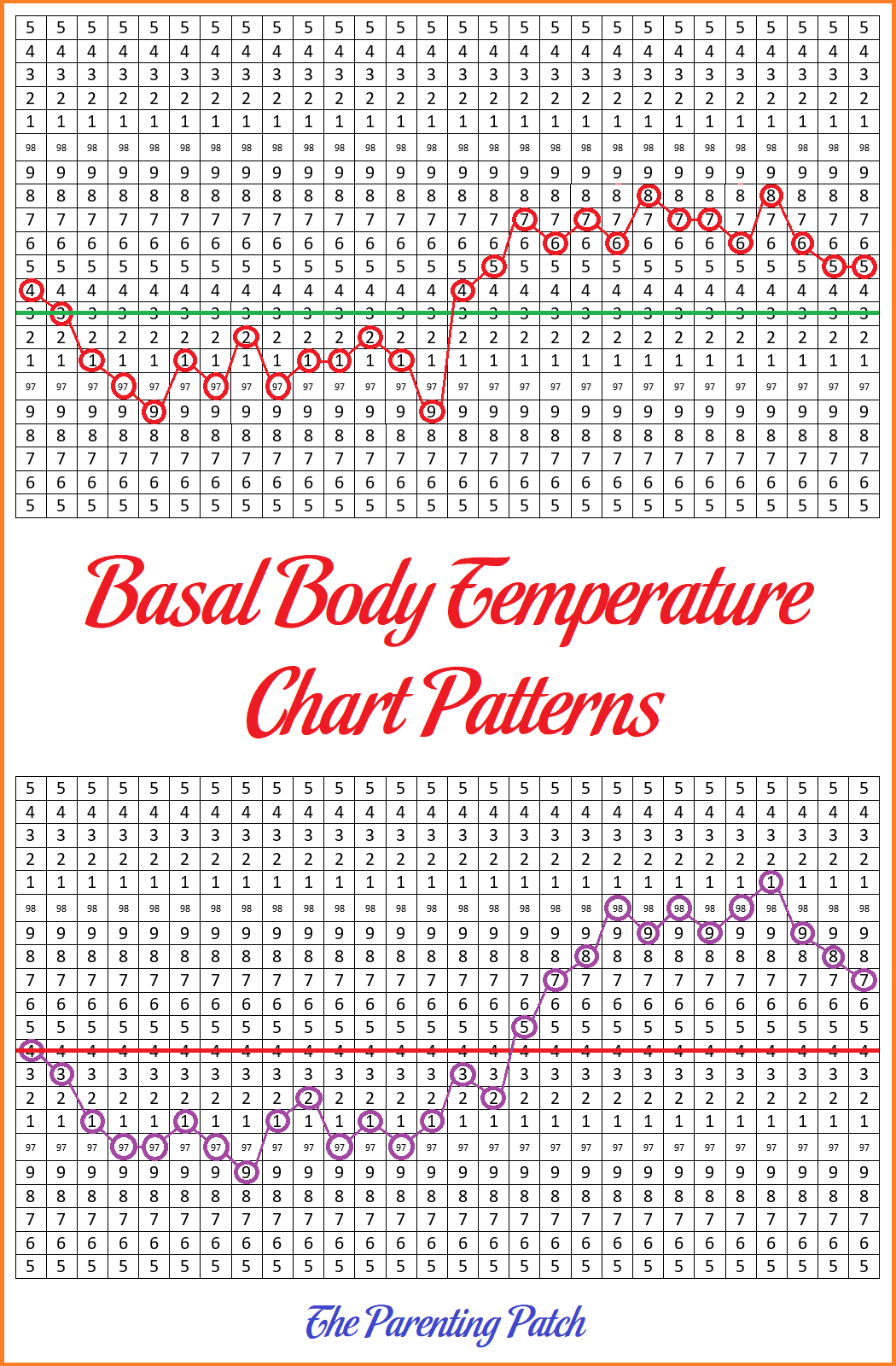
Basal Body Temperature Chart Patterns
What is Basal Body Temperature Charting?
Basal body temperature charting involves taking your temperature at the same time each day, usually first thing in the morning, before getting out of bed. You’ll need a basal body thermometer, which is a special type of thermometer designed to detect even slight changes in temperature. You’ll also need a chart or spreadsheet to record your temperatures and track your progress over time. By following a few simple steps, you can start charting your basal body temperature and begin to unlock the secrets of your body’s natural rhythms.
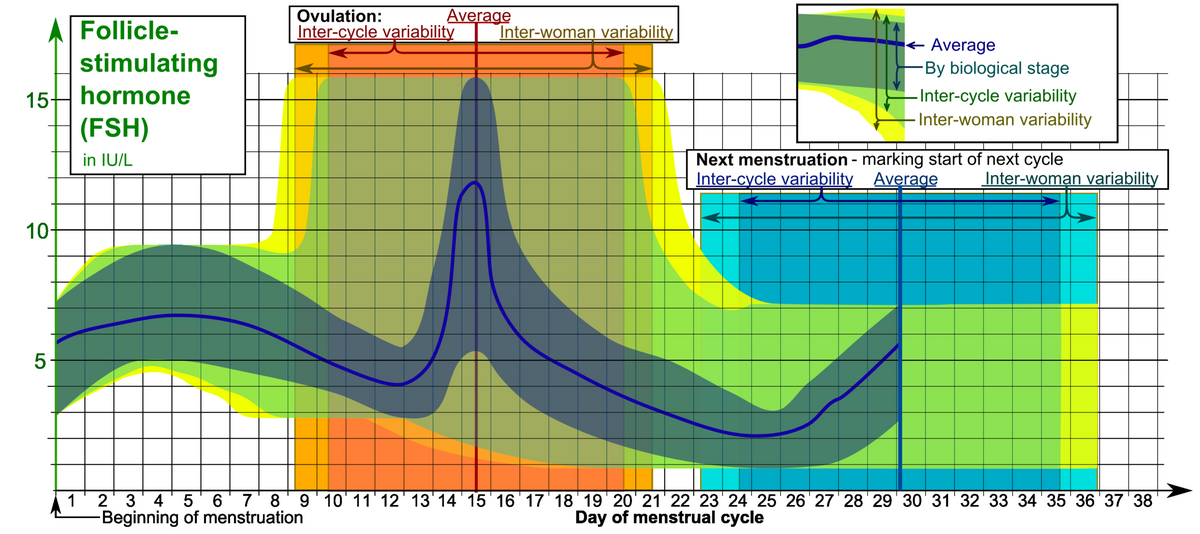
Basal Body Temperature BBT Charting Sussex Acupuncture
How to Chart Your Basal Body Temperature
Charting your basal body temperature requires a bit of dedication and consistency, but the payoff is well worth the effort. To get started, you’ll need to take your temperature at the same time each day, ideally between 5-7 am. You’ll also need to record your temperature on a chart or spreadsheet, noting any factors that may affect your temperature, such as sleep patterns, stress levels, or medication use. By tracking your temperature over time, you’ll begin to see patterns emerge, including a rise in temperature after ovulation and a dip in temperature just before your period.
Interpreting Your Basal Body Temperature Chart
Interpreting your basal body temperature chart requires a bit of practice and patience, but with time and experience, you’ll become more confident in your ability to read the signs. Look for a temperature shift of at least 0.4°F (0.2°C) after ovulation, which indicates that your body is preparing for a potential pregnancy. You may also notice other patterns, such as a temperature dip just before your period or a series of high temperatures during a pregnancy. By paying attention to these subtle changes, you can gain a deeper understanding of your body’s natural cycles and rhythms.
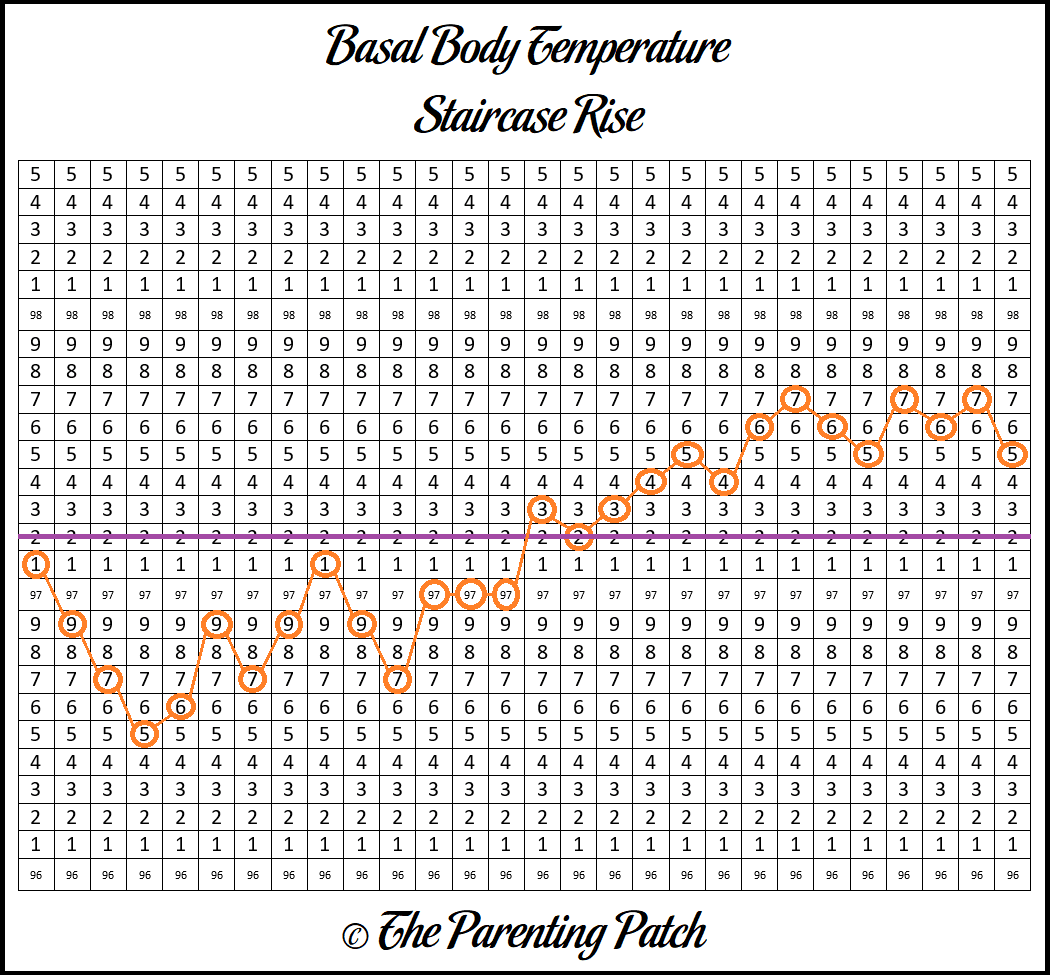
Basal Body Temperature Chart Patterns
By incorporating basal body temperature charting into your daily routine, you can take control of your fertility, health, and wellness. Whether you’re trying to conceive, avoid pregnancy, or simply optimize your overall health, this natural and non-invasive technique can provide valuable insights and guidance. So why not give it a try? With a basal body thermometer and a chart or spreadsheet, you can start tracking your temperature and unlocking the secrets of your body’s natural rhythms. Take the first step towards a deeper understanding of your body and a more empowered approach to your health and fertility.
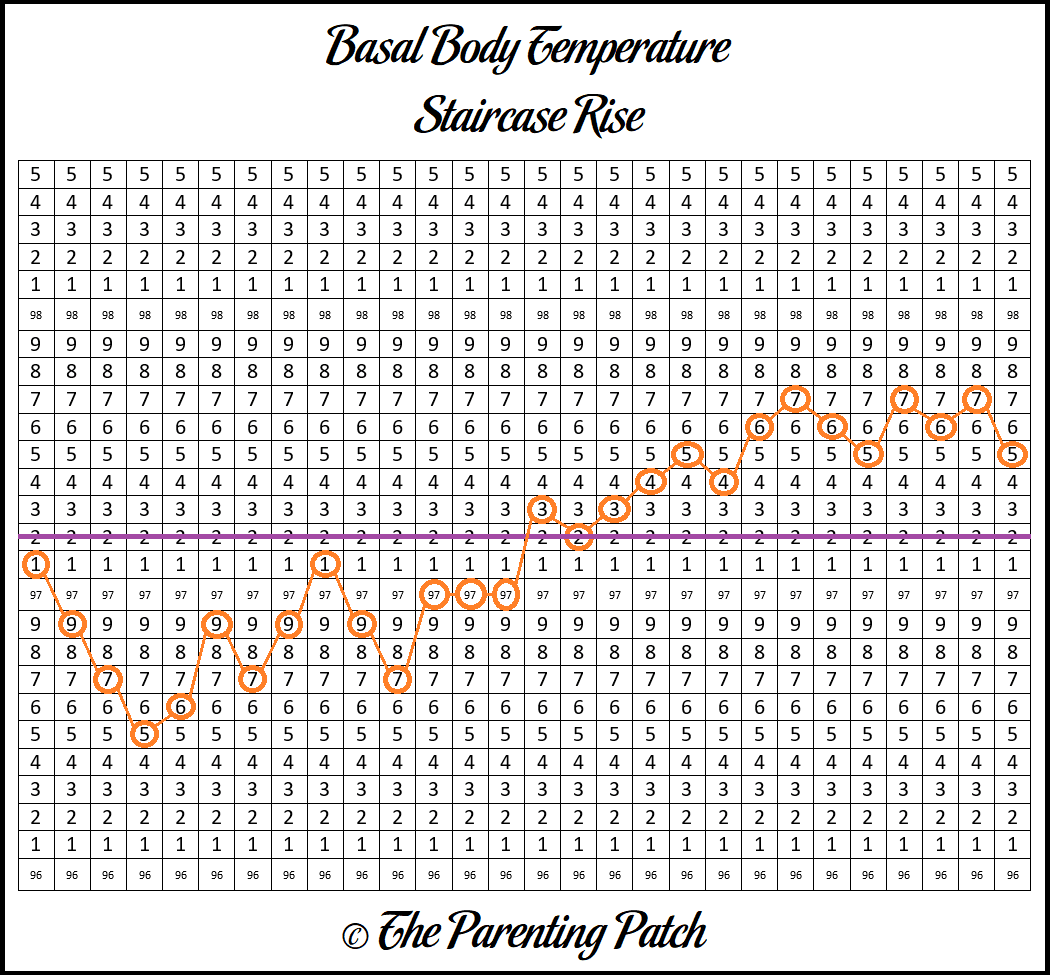
Basal Body Temperature Chart Patterns
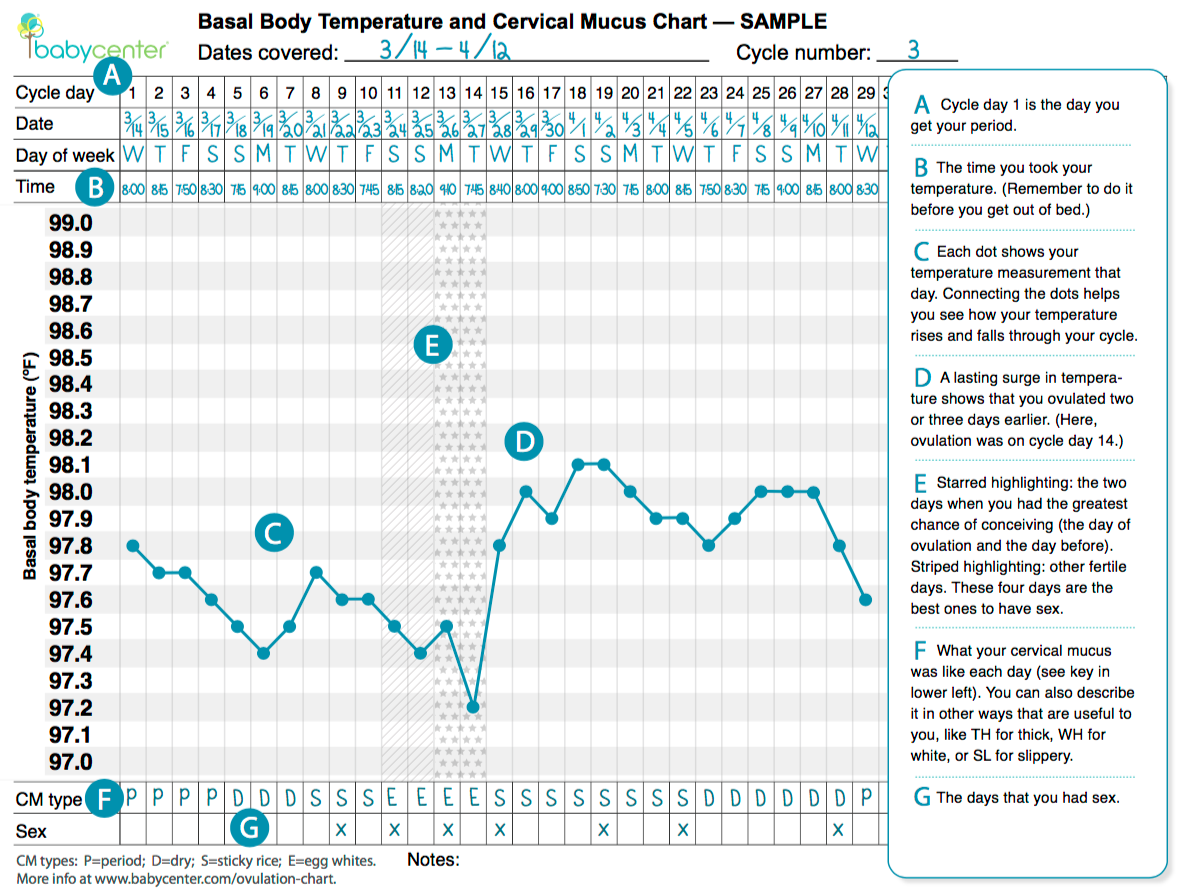
Get Pregnant Track Your Cycle Basal Body Temperature Charting Basics HolisticZen