Maintaining a healthy weight is crucial for overall well-being, and one of the most common methods used to assess weight status is the Body Mass Index (BMI). BMI is a simple calculation that takes into account a person’s weight and height to provide a score that indicates whether they are underweight, normal weight, overweight, or obese. For adults, a BMI chart is a useful tool to determine their weight status and identify potential health risks associated with their weight.
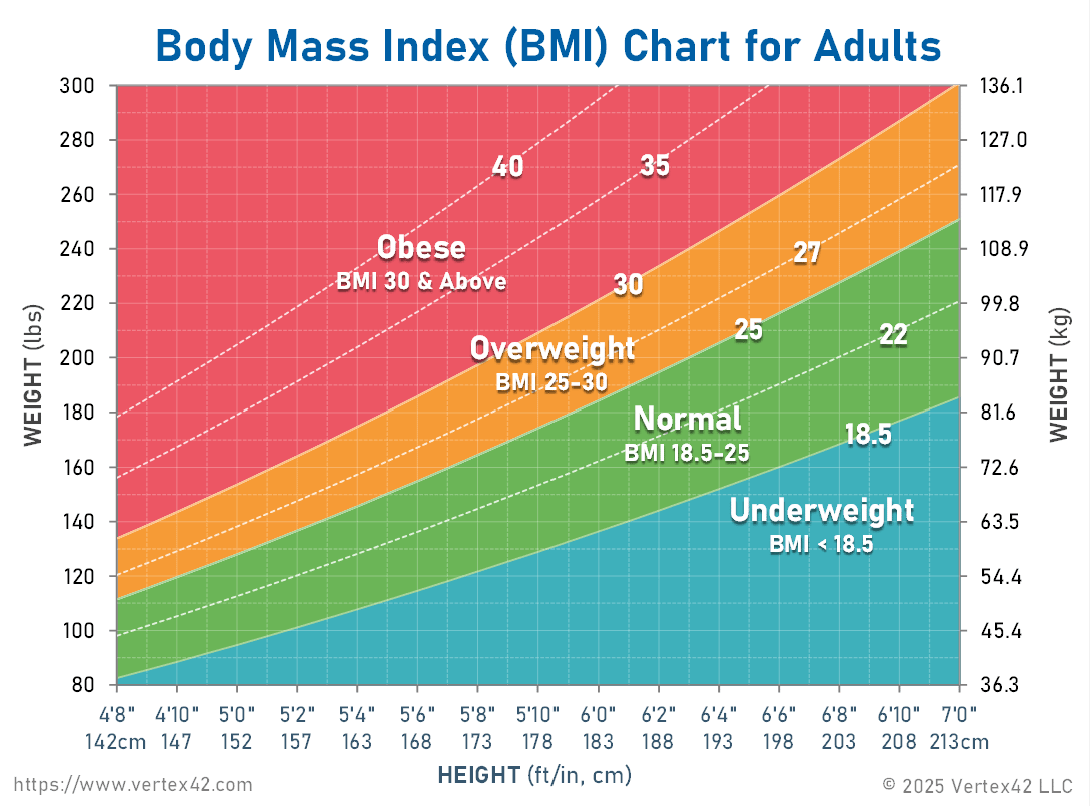
A BMI chart for adults is a graphical representation of the BMI categories, which are based on the World Health Organization’s (WHO) standards. The chart typically displays the BMI categories, which are underweight (BMI < 18.5), normal weight (BMI = 18.5-24.9), overweight (BMI = 25-29.9), and obese (BMI ≥ 30). By using a BMI chart, adults can quickly and easily determine their weight status and understand the associated health risks. This information can be used to make informed decisions about lifestyle changes, such as diet and exercise, to achieve a healthy weight.
BMI Chart Printable Body Mass Index Chart BMI Calculator
Understanding Body Mass Index (BMI)
Understanding Body Mass Index (BMI) is essential for adults who want to assess their weight status and health risks. BMI is calculated by dividing a person’s weight in kilograms by their height in meters squared (kg/m²). This calculation provides a score that can be used to determine whether a person is underweight, normal weight, overweight, or obese. For example, a person who weighs 70 kg and is 1.75 m tall would have a BMI of 22.9, which falls within the normal weight category. By understanding how BMI is calculated, adults can use a BMI chart to accurately assess their weight status and make informed decisions about their health.
Free Printable Body Mass Index Chart
How to Use a Body Mass Index Chart for Adults
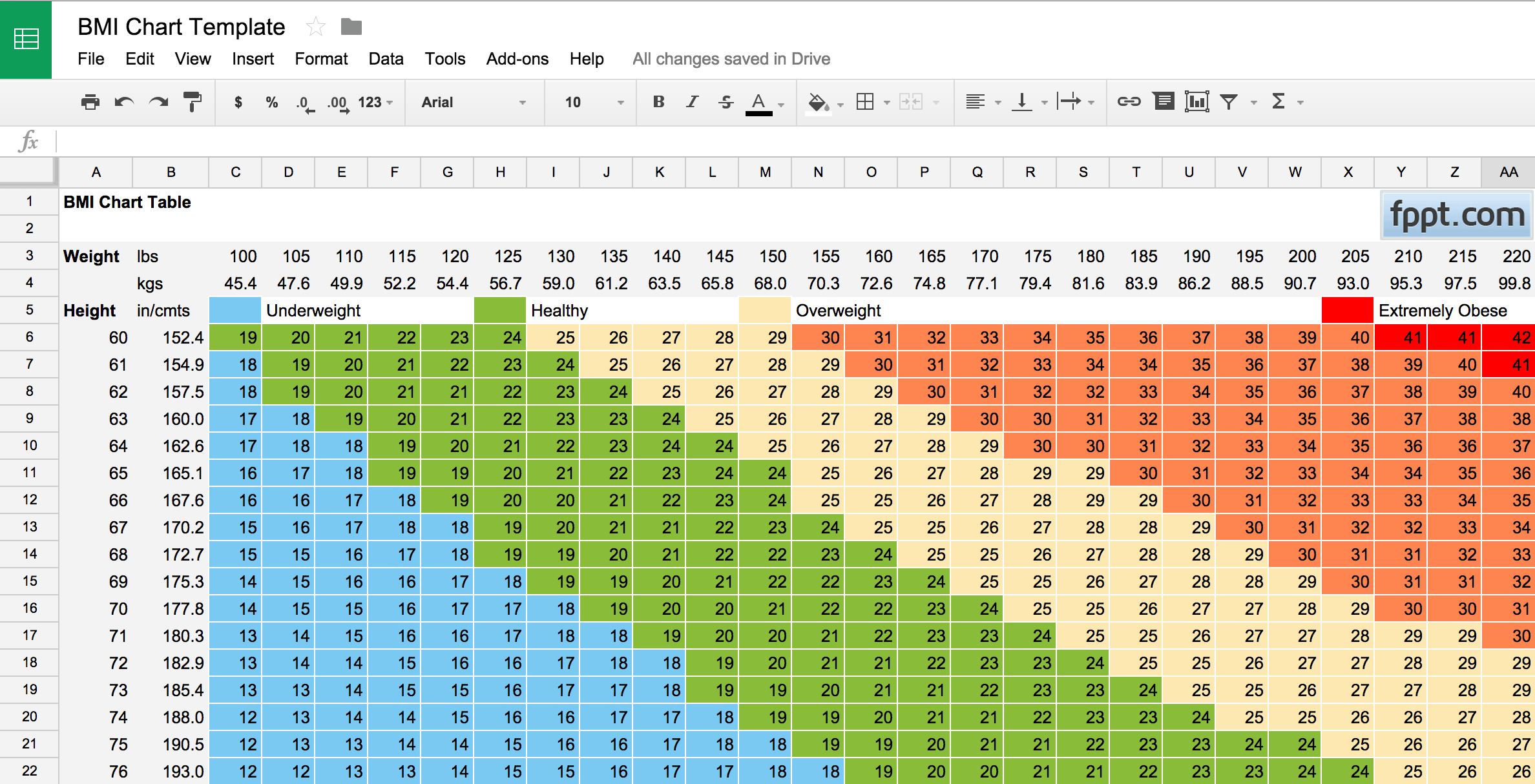
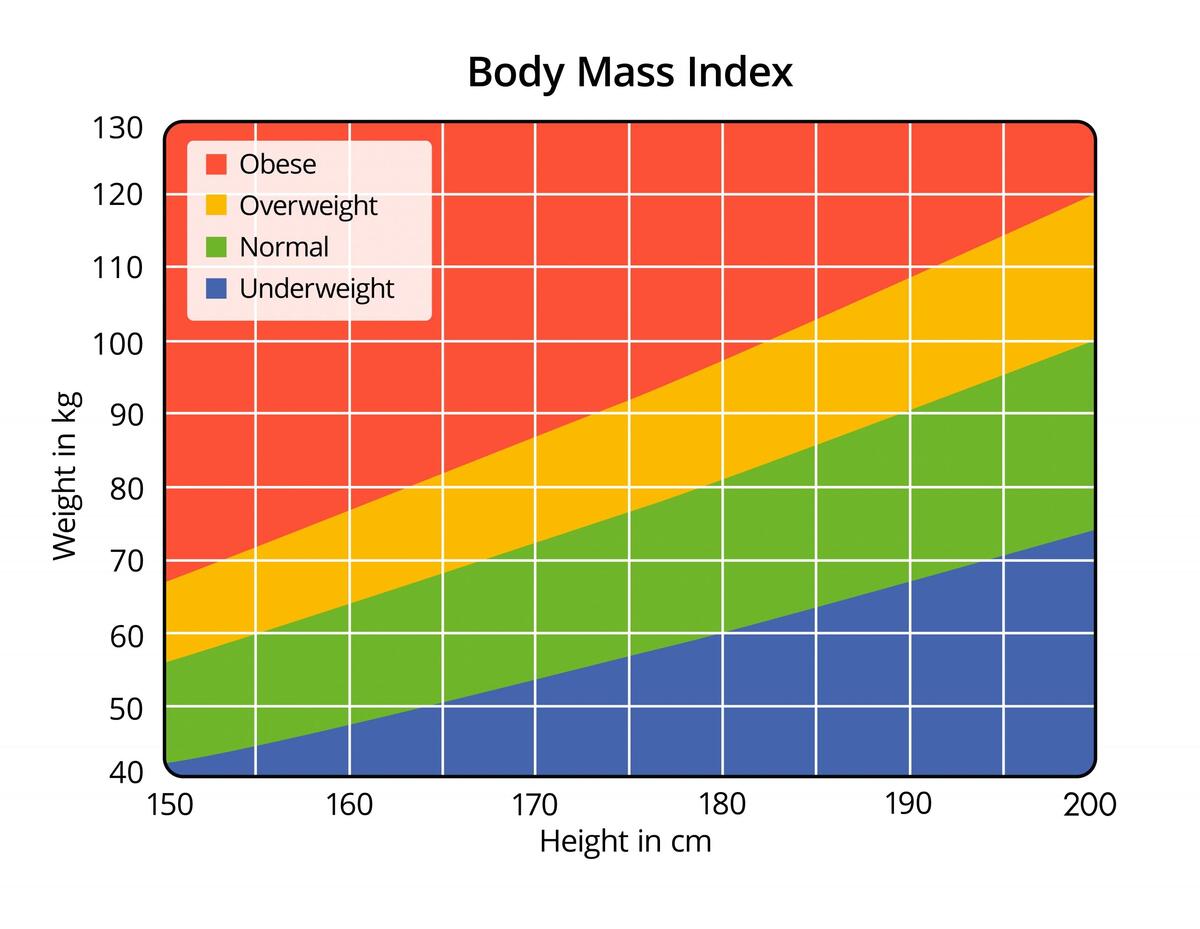
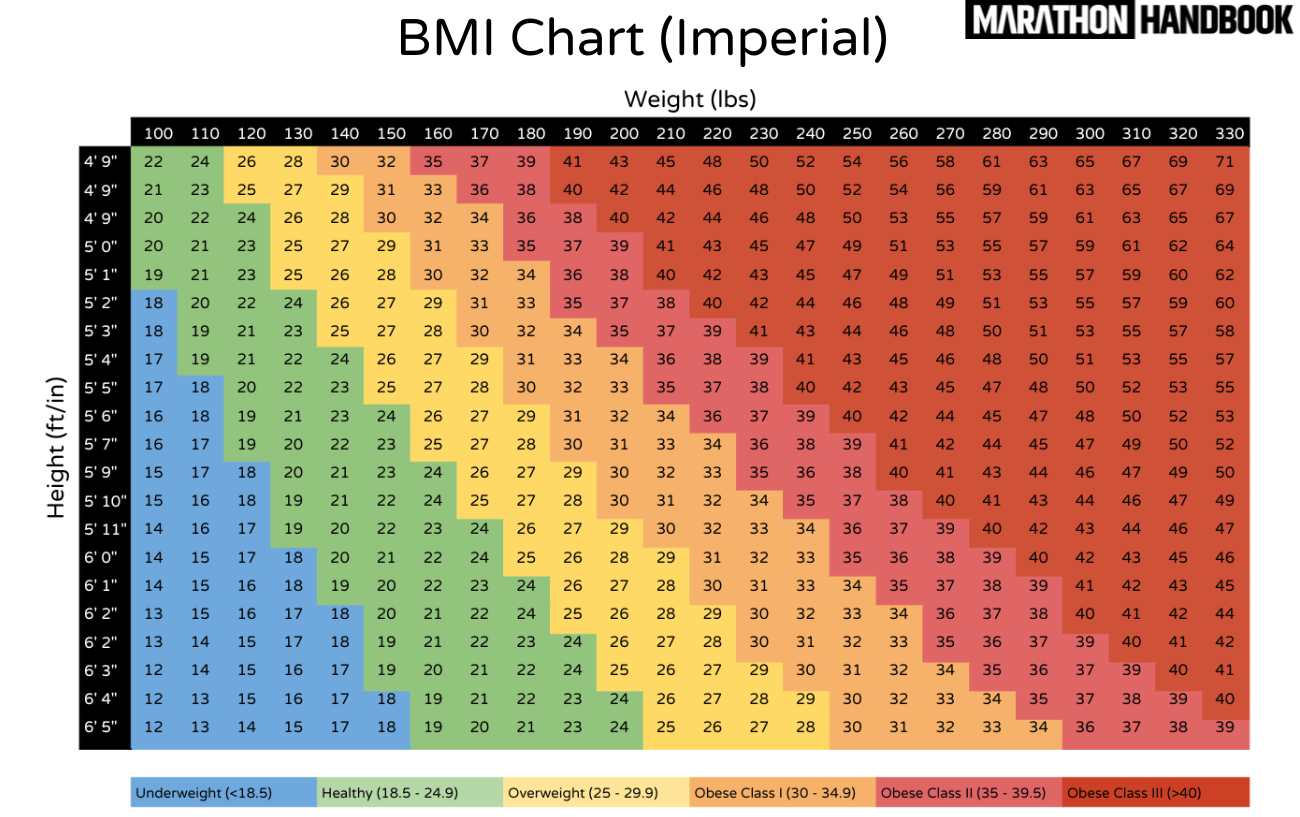
Using a Body Mass Index chart for adults is a straightforward process that requires only a person’s weight and height. To use the chart, simply find the weight and height values on the chart and look for the corresponding BMI category. For example, if a person weighs 80 kg and is 1.65 m tall, they would look for the point on the chart where the weight and height values intersect, and then find the corresponding BMI category. In this case, the BMI would be approximately 29.5, which falls within the overweight category. By using a BMI chart, adults can quickly and easily determine their weight status and understand the associated health risks.
Interpreting BMI Categories for Adults
Interpreting BMI categories for adults is crucial for understanding the associated health risks. The WHO defines the following BMI categories for adults: underweight (BMI < 18.5), normal weight (BMI = 18.5-24.9), overweight (BMI = 25-29.9), and obese (BMI ≥ 30). Each category is associated with different health risks, such as an increased risk of chronic diseases like diabetes, heart disease, and certain types of cancer. By understanding the BMI categories and how they relate to health risks, adults can use a BMI chart to make informed decisions about their lifestyle and health. For example, an adult who is classified as overweight or obese may need to make significant lifestyle changes, such as improving their diet and increasing physical activity, to reduce their health risks and achieve a healthy weight.
Body Mass Index BMI Explaned RosemaryConley Com
In conclusion, a Body Mass Index chart for adults is a valuable tool for assessing weight status and health risks. By understanding how BMI is calculated and how to use a BMI chart, adults can make informed decisions about their lifestyle and health. It is essential to remember that BMI is not a perfect measure, as it does not take into account muscle mass or body composition. However, it is a widely used and accepted method for assessing weight status and health risks. By using a BMI chart and interpreting the results, adults can take the first step towards achieving a healthy weight and reducing their risk of chronic diseases.
BMI Calculator Body Mass Index Healthy Weight Assessment
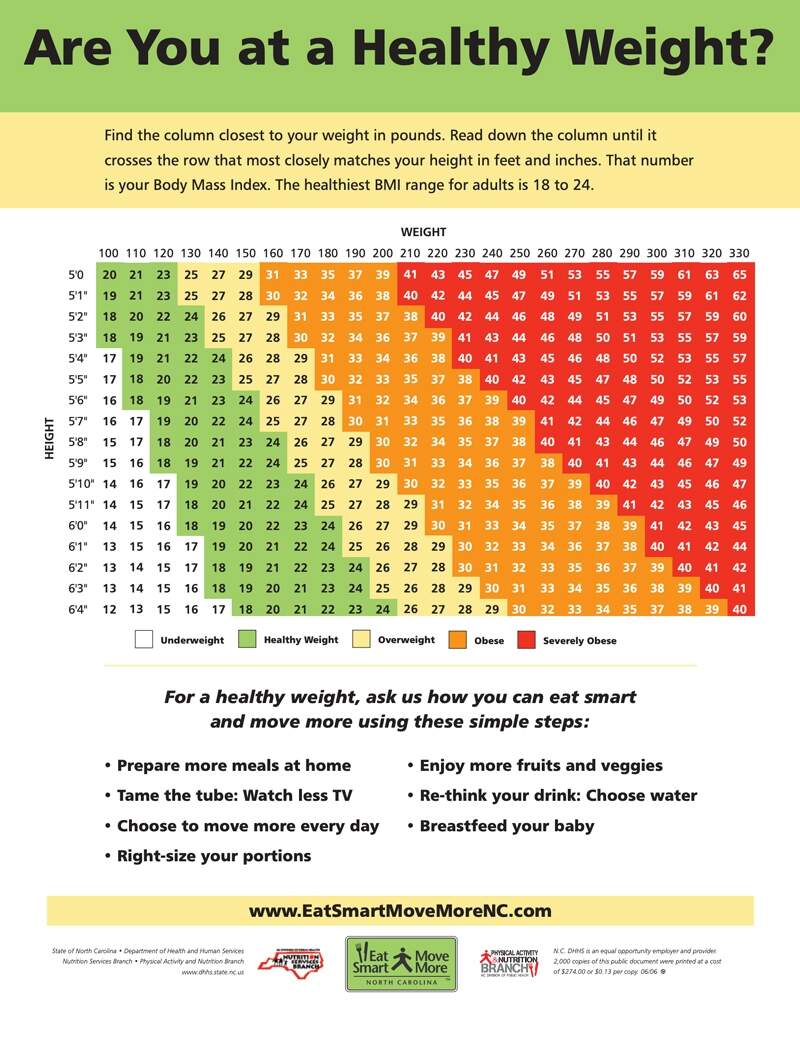
BMI Chart Eat Smart Move More NC