As a parent, it’s natural to be concerned about your child’s health and well-being. One important aspect of monitoring their growth and development is tracking their body mass index (BMI). BMI is a calculation that uses a person’s height and weight to determine their body mass, and it’s a useful tool for identifying potential health risks. For kids, BMI is particularly important because it can help parents and healthcare providers identify issues related to weight, such as obesity or underweight.
BMI charts for kids are designed to take into account the unique growth patterns of children and adolescents. These charts typically use percentiles to compare a child’s BMI to that of other kids of the same age and sex. By plotting a child’s BMI on a growth chart, parents and healthcare providers can see whether they are at a healthy weight, underweight, or overweight. This information can be used to make informed decisions about diet, exercise, and other lifestyle habits that can support healthy growth and development.
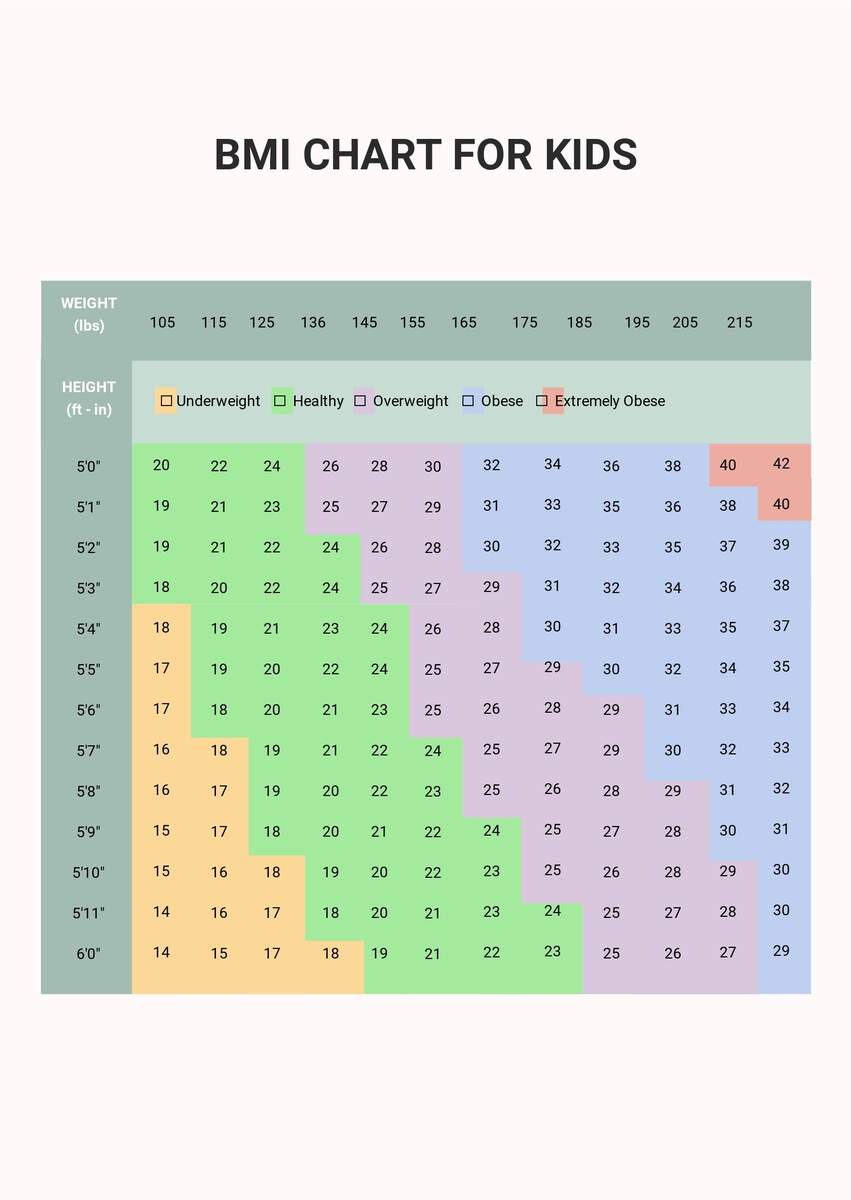
BMI Chart For Teens In PDF Download Template
Understanding Body Mass Index (BMI) in Children
Understanding BMI in children is crucial because it can help identify potential health risks early on. BMI is calculated differently for kids than it is for adults, taking into account their age and sex. For children, BMI is calculated by dividing their weight in kilograms by the square of their height in meters, and then comparing the result to a growth chart. This allows parents and healthcare providers to see whether a child’s weight is in a healthy range for their age and height.
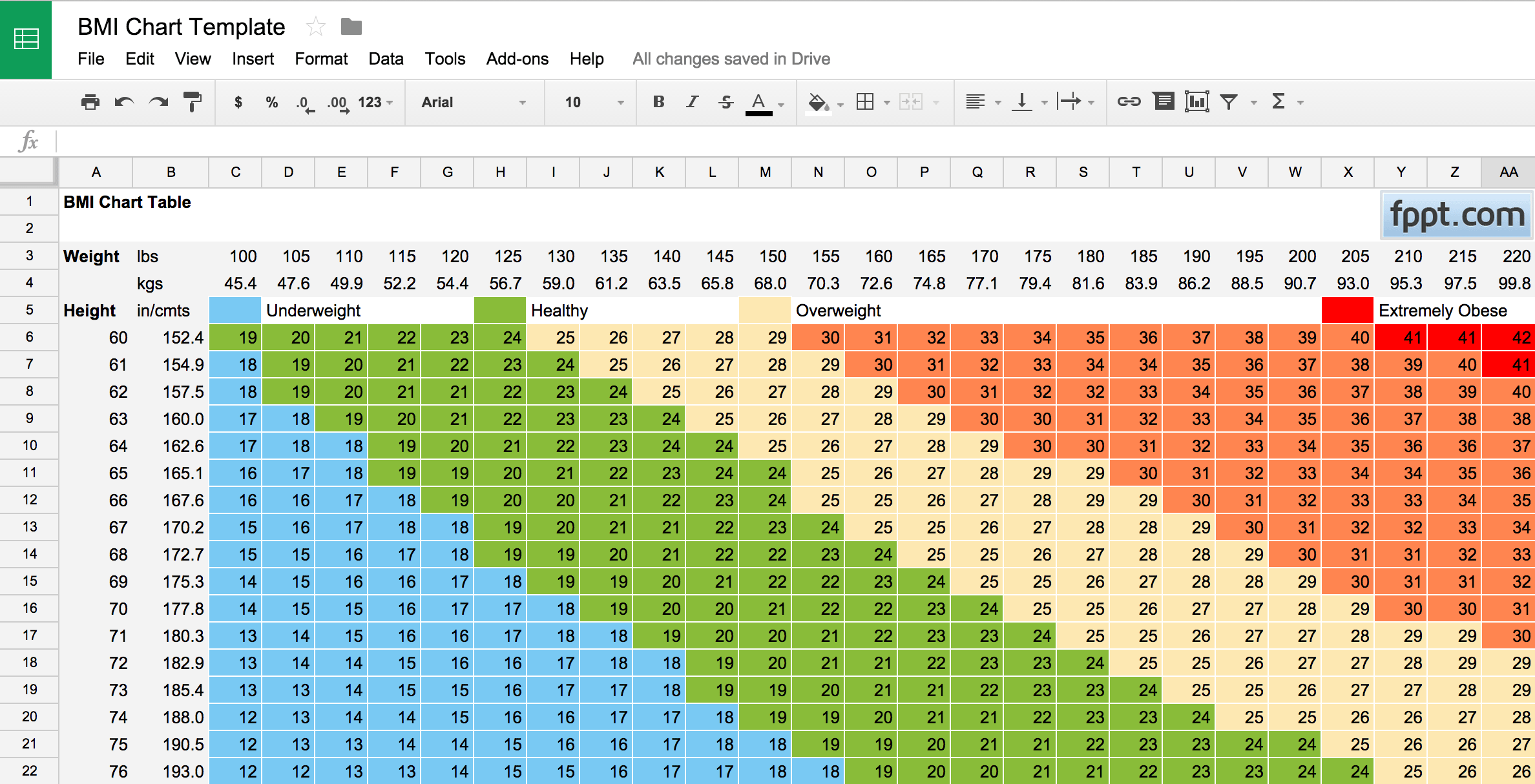
Free Printable Body Mass Index Chart
How to Use BMI Charts for Kids
Using BMI charts for kids is relatively straightforward. Parents can plot their child’s height and weight on a growth chart to determine their BMI percentile. This can be done at home or with the help of a healthcare provider. It’s essential to use a chart specifically designed for kids, as adult BMI charts are not suitable for children. By regularly tracking a child’s BMI, parents can identify any changes or trends that may indicate a potential health issue.
Maintaining a Healthy Weight in Children
Maintaining a healthy weight is critical for kids, as it can help prevent a range of health problems, including obesity, diabetes, and heart disease. A healthy weight can also boost a child’s self-esteem and overall well-being. Parents can support their child’s healthy weight by encouraging a balanced diet, regular exercise, and healthy lifestyle habits. This may involve limiting screen time, promoting outdoor play, and modeling healthy behaviors themselves.
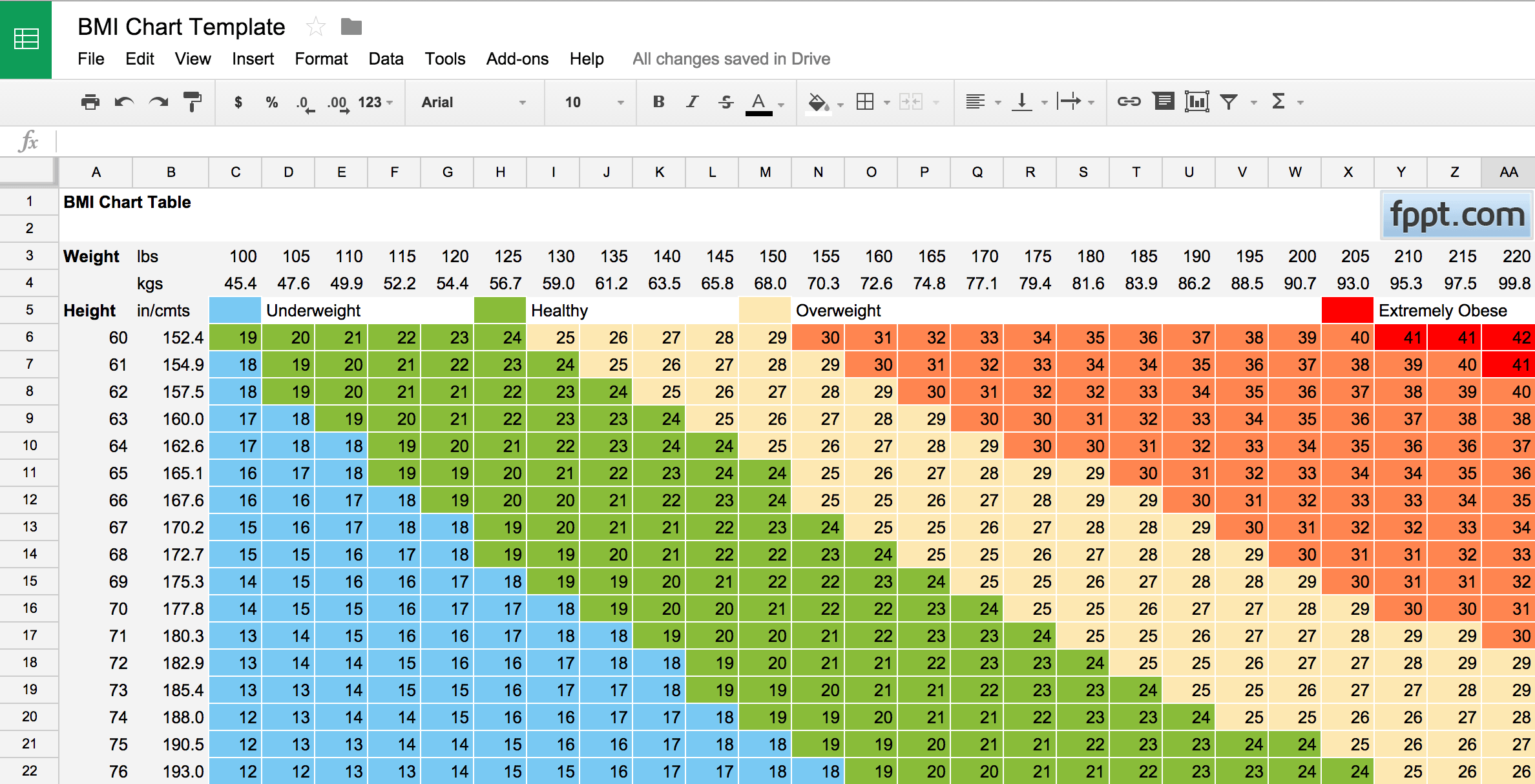
Free Printable Body Mass Index Chart
By using BMI charts for kids and promoting healthy lifestyle habits, parents can help their child develop a positive relationship with food and exercise. This can set them up for a lifetime of healthy habits and reduce the risk of weight-related health problems. Remember, BMI is just one tool for monitoring a child’s health, and it should be used in conjunction with other health indicators, such as blood pressure and overall well-being.
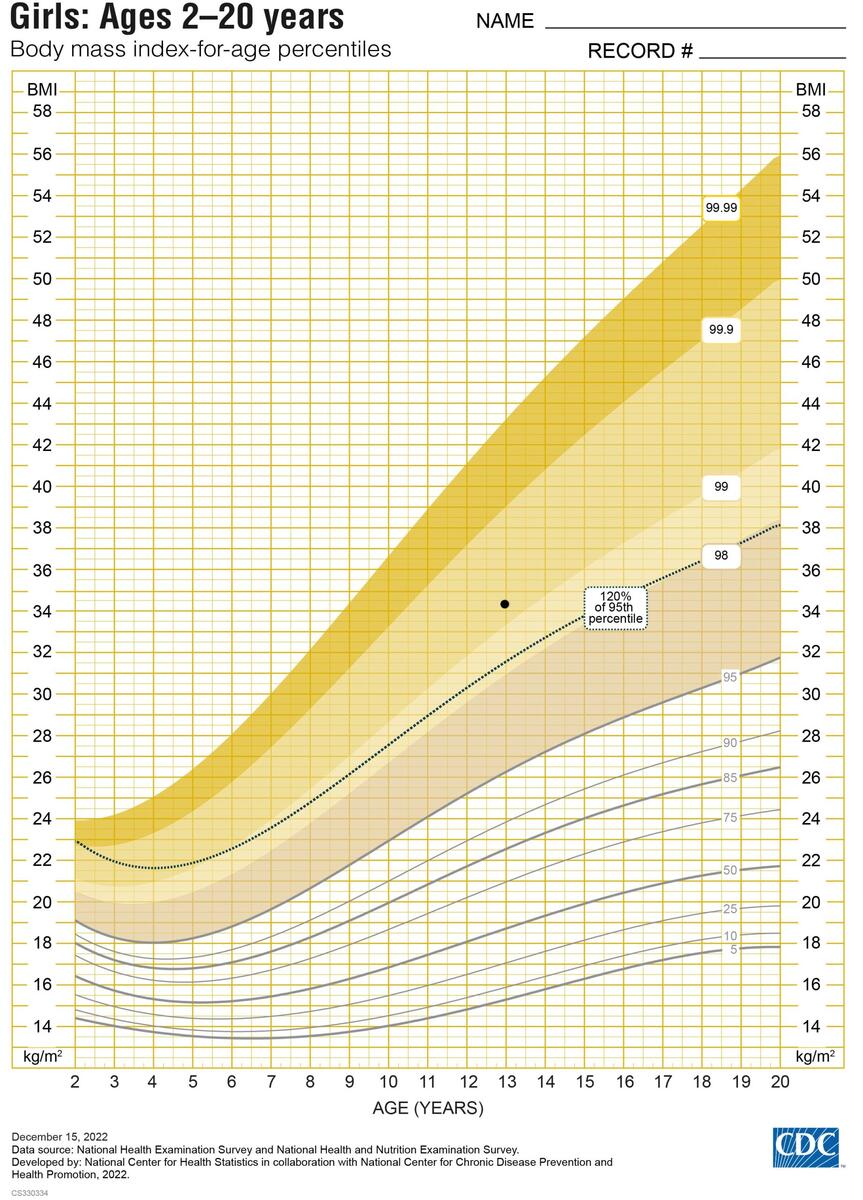
Plotting And Interpreting BMI For Age Growth Chart Training CDC
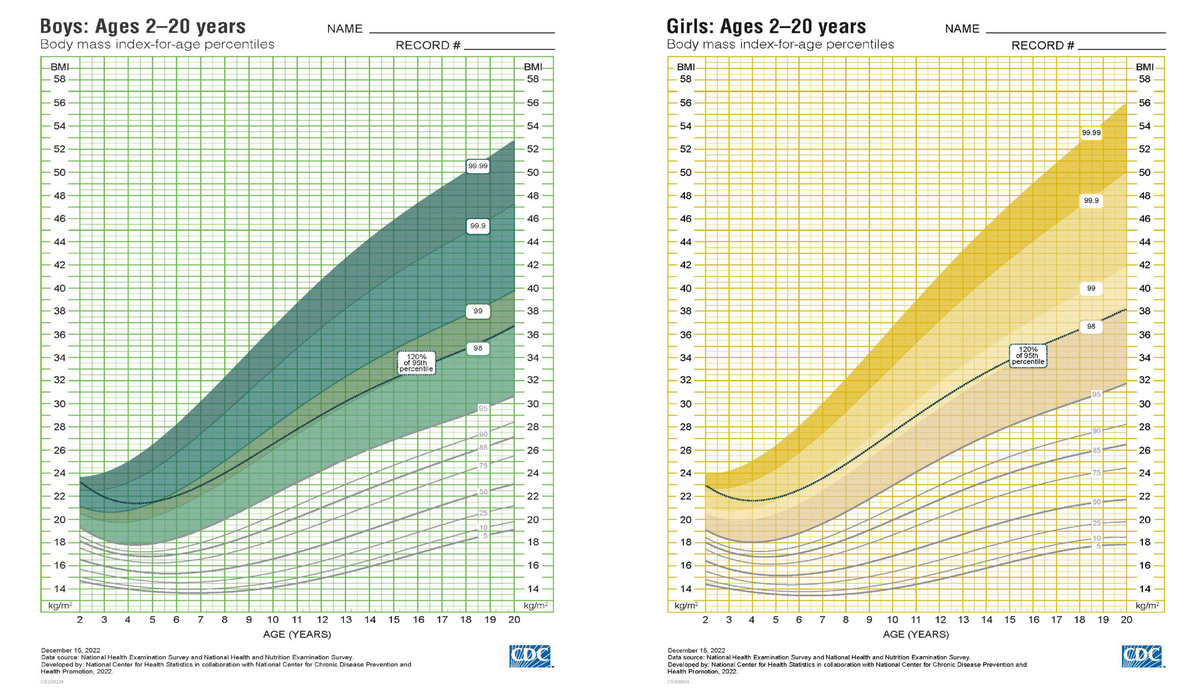
Background CDC Extended BMI For Age Growth Charts Growth Chart Training CDC