Basal body temperature (BBT) charting has been a cornerstone of fertility awareness and family planning for decades. By tracking the subtle changes in your body temperature, you can gain valuable insights into your menstrual cycle, fertility window, and overall reproductive health. Whether you’re trying to conceive, avoid pregnancy, or simply better understand your body, learning how to read a BBT chart is an essential skill.
For many women, the concept of BBT charting can seem daunting, especially with the myriad of temperature fluctuations that occur throughout the menstrual cycle. However, with a little practice and patience, you can become proficient in reading your BBT chart and unlock the secrets of your body’s natural rhythms. In this guide, we’ll walk you through the process of reading a BBT chart, from taking your temperature to interpreting the results.
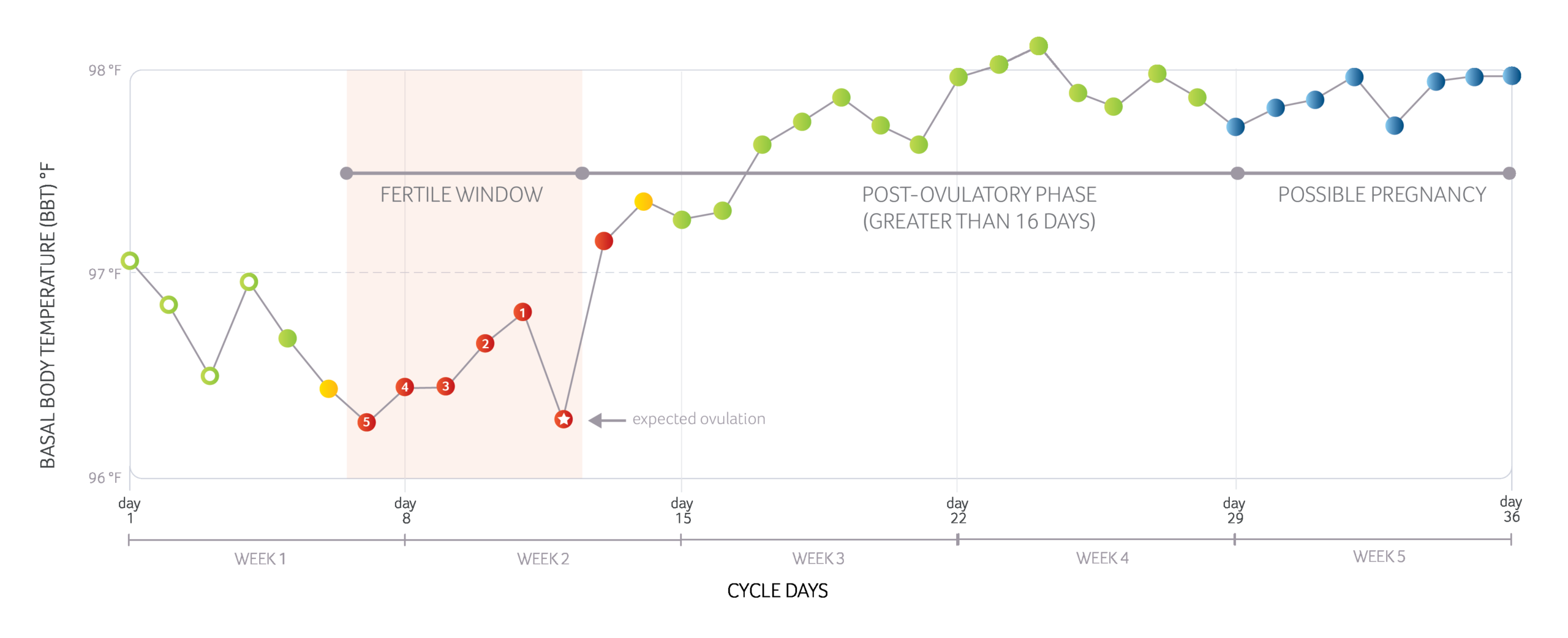
Understanding Your Basal Body Temperature
Understanding the Basics of Basal Body Temperature
To get started with BBT charting, it’s essential to understand the basics of how your body temperature works. Your basal body temperature is your body’s temperature at rest, typically taken immediately after waking up and before getting out of bed. Throughout your menstrual cycle, your BBT will fluctuate in response to changes in hormone levels, with a characteristic dip in temperature just before ovulation and a sharp increase after ovulation. By tracking these temperature shifts, you can identify your fertile window and make informed decisions about your reproductive health.
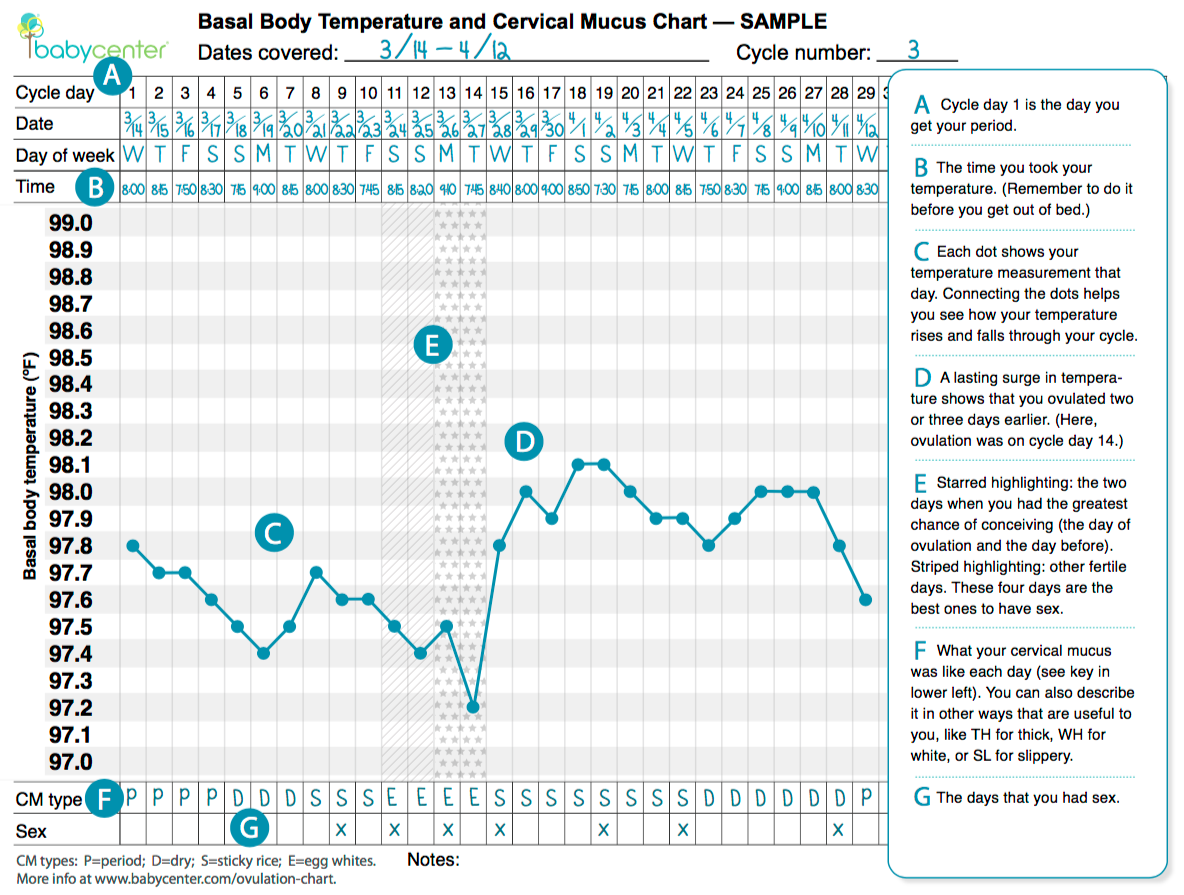
Get Pregnant Track Your Cycle Basal Body Temperature Charting Basics HolisticZen
How to Take Your Basal Body Temperature Accurately
Taking your basal body temperature accurately is crucial to getting reliable results from your BBT chart. To do this, you’ll need a basal body thermometer, which is typically more sensitive than a regular thermometer. Take your temperature at the same time every day, ideally between 4-7 am, and before getting out of bed or engaging in any physical activity. It’s also important to use the same thermometer and take your temperature in the same location each day to minimize any variations in temperature readings.
Interpreting Your Basal Body Temperature Chart
Interpreting your BBT chart requires a bit of practice, but it’s relatively straightforward once you get the hang of it. Look for the characteristic temperature shift that occurs after ovulation, which is usually a 0.4-1.0°F (0.2-0.5°C) increase in temperature. This shift indicates that you’ve ovulated and are entering the luteal phase of your cycle. You can also use your BBT chart to identify any irregularities in your cycle, such as anovulatory cycles or thyroid issues, which can be useful for diagnosing underlying health conditions.
Get Pregnant Track Your Cycle Basal Body Temperature Charting Basics HolisticZen
By following these simple steps and practicing how to read your BBT chart, you can gain a deeper understanding of your body’s natural rhythms and make informed decisions about your reproductive health. Whether you’re trying to conceive, avoid pregnancy, or simply better understand your body, BBT charting is a powerful tool that can help you take control of your fertility and overall well-being.
Get Pregnant Track Your Cycle Basal Body Temperature Charting Basics HolisticZen
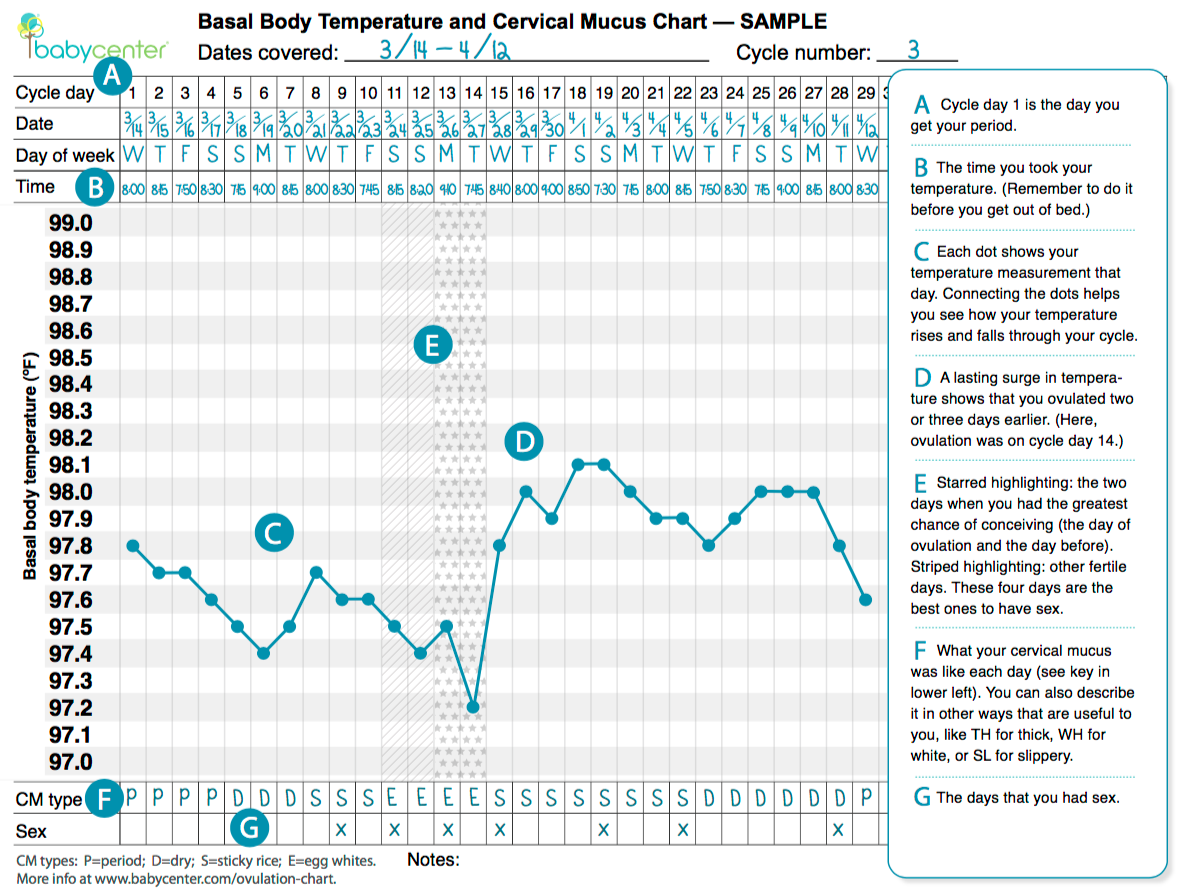
Get Pregnant Track Your Cycle Basal Body Temperature Charting Basics HolisticZen