Basal body temperature (BBT) charting has been a trusted method for tracking fertility and detecting early signs of pregnancy for decades. By monitoring subtle changes in body temperature, women can identify their most fertile days and plan accordingly. The process involves taking daily temperature readings at the same time every morning, before getting out of bed, to track the slightest fluctuations in body heat. These readings are then plotted on a chart to visualize the body’s natural temperature rhythms.
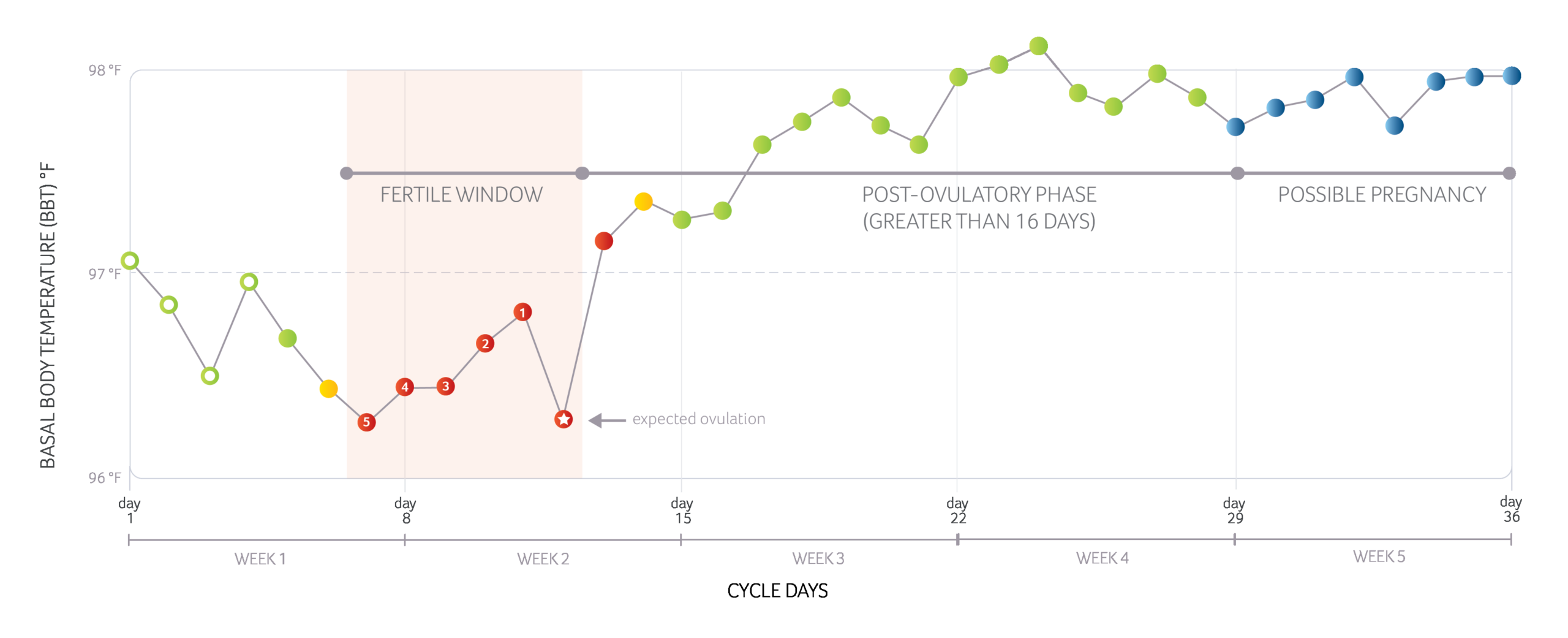
A basal body temperature chart typically consists of a grid with dates on one axis and temperature readings on the other. Each day, the temperature reading is marked on the chart, creating a visual representation of the body’s temperature patterns over time. By analyzing these patterns, women can identify their unique fertility signals, such as a dip in temperature followed by a surge, which often indicates ovulation. With this knowledge, women can time intercourse to coincide with their most fertile days, increasing their chances of conception.
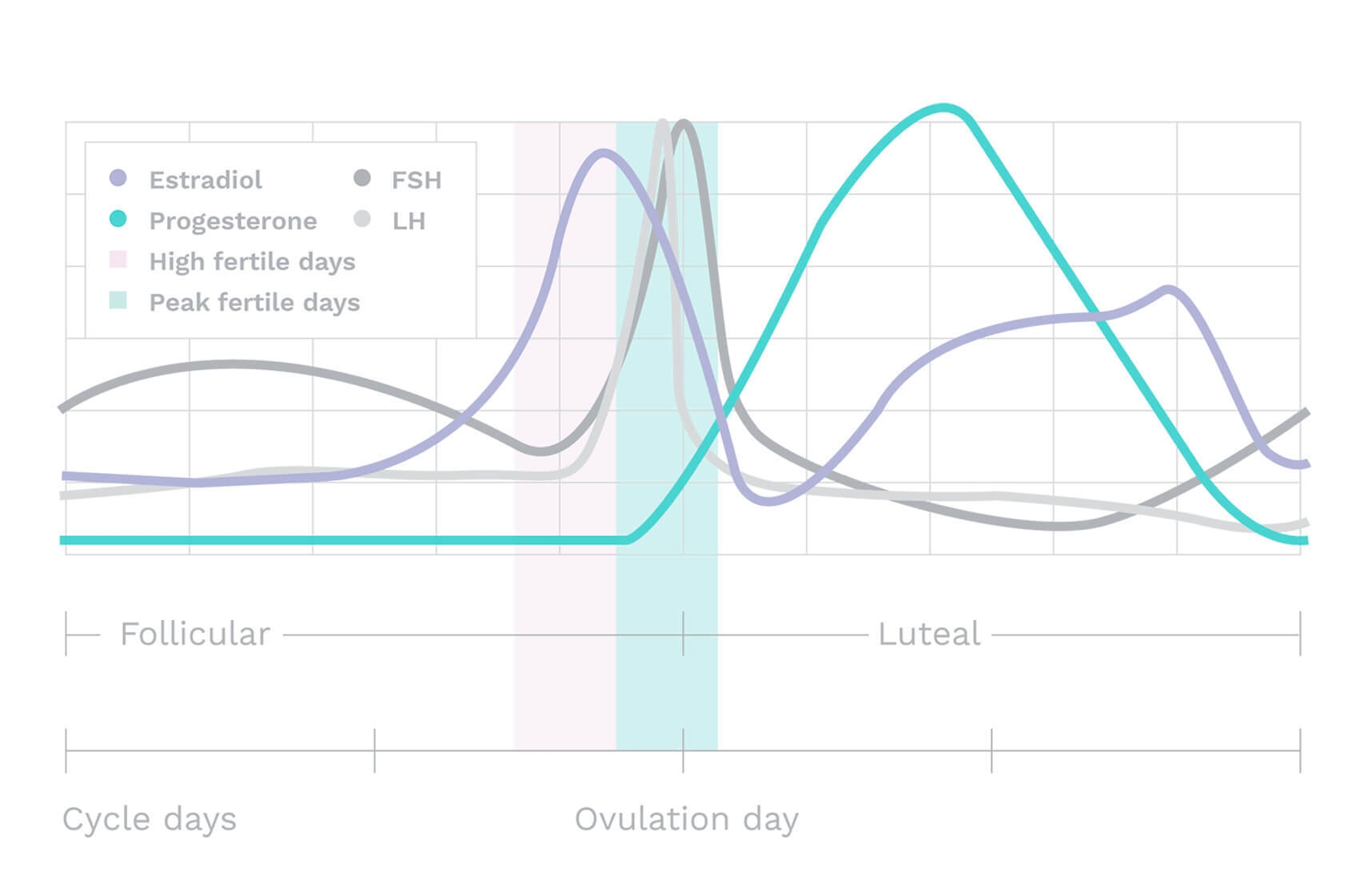
How To Use Basal Body Temperature To Determine Ovulation
Understanding Basal Body Temperature
Basal body temperature is the body’s temperature at rest, usually taken immediately after waking up. It’s essential to take the temperature at the same time every day, as this ensures that the readings are consistent and accurate. The normal basal body temperature ranges from 97.2 to 97.7 degrees Fahrenheit, but this can vary from woman to woman. Understanding basal body temperature is crucial for accurate charting and interpretation, as it provides a baseline for detecting subtle changes in the body’s temperature rhythms.
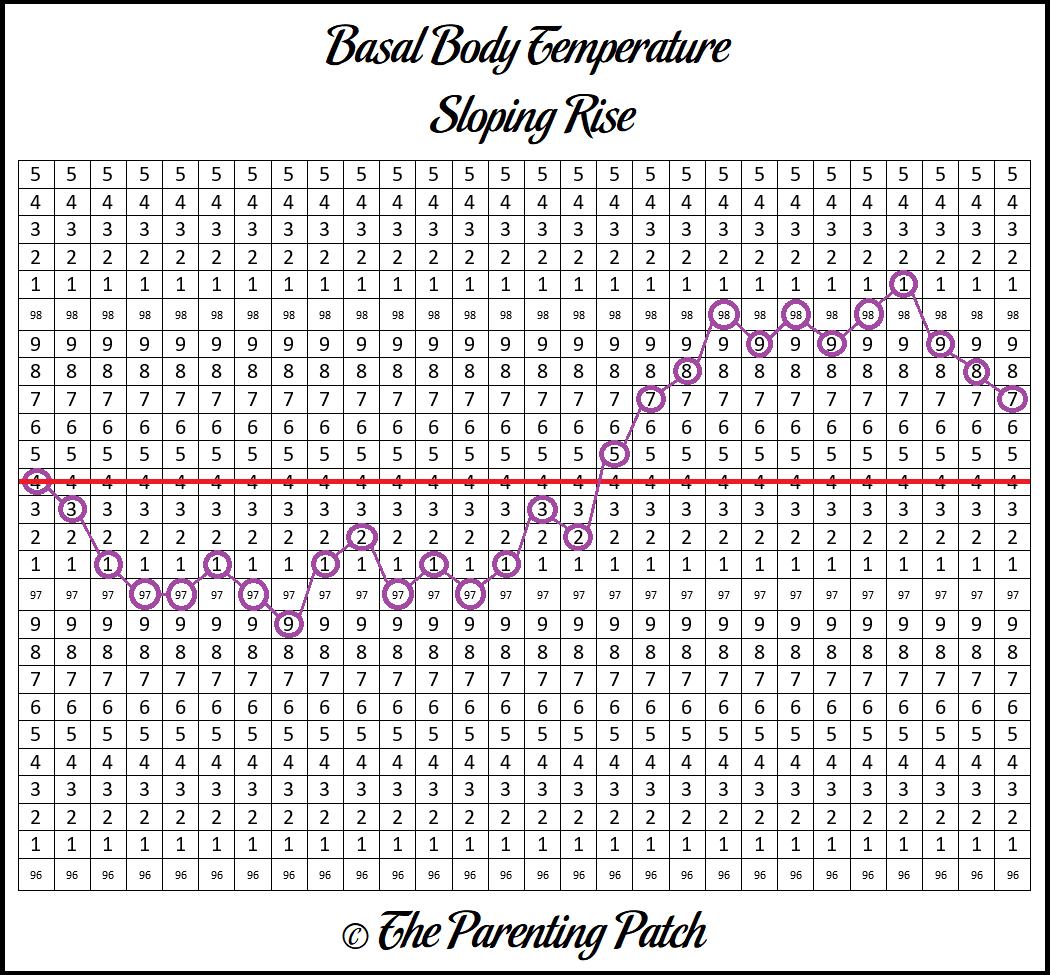
Basal Body Temperature Chart Patterns
How to Take Your Basal Body Temperature
Taking basal body temperature readings requires a bit of discipline, but it’s a simple process. All you need is a basal body thermometer, which is typically more sensitive than a regular thermometer. Place the thermometer under your tongue or in your vagina, and wait for the reading to stabilize. Record the temperature on your chart, making sure to note any factors that might affect the reading, such as a cold or a late night. Consistency is key when taking basal body temperature readings, so try to establish a daily routine that works for you.
Interpreting Your Basal Body Temperature Chart
Interpreting your basal body temperature chart can seem daunting at first, but it’s actually quite straightforward. Look for patterns and trends in your temperature readings, such as a consistent dip or surge. These patterns can indicate ovulation, menstruation, or other hormonal changes in the body. Pay attention to the temperature shift, which usually occurs after ovulation, as this can confirm that ovulation has taken place. By analyzing your chart, you can identify your unique fertility signals and plan your reproductive health accordingly.
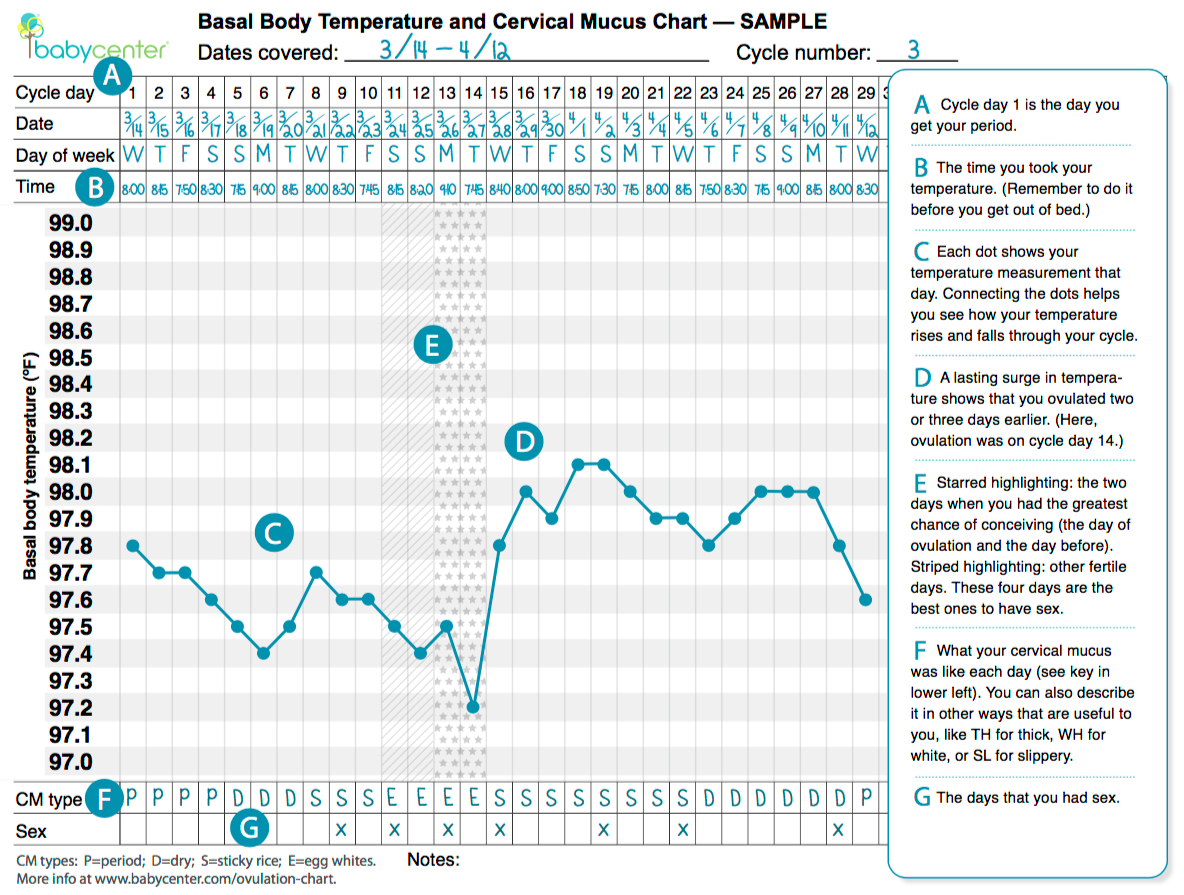
Get Pregnant Track Your Cycle Basal Body Temperature Charting Basics HolisticZen
By mastering the art of reading basal body temperature charts, women can take control of their reproductive health and make informed decisions about their fertility. Whether trying to conceive or avoid pregnancy, basal body temperature charting provides a natural and non-invasive method for tracking fertility. With practice and patience, women can unlock the secrets of their basal body temperature chart and boost their chances of a healthy pregnancy or a more effective birth control strategy.
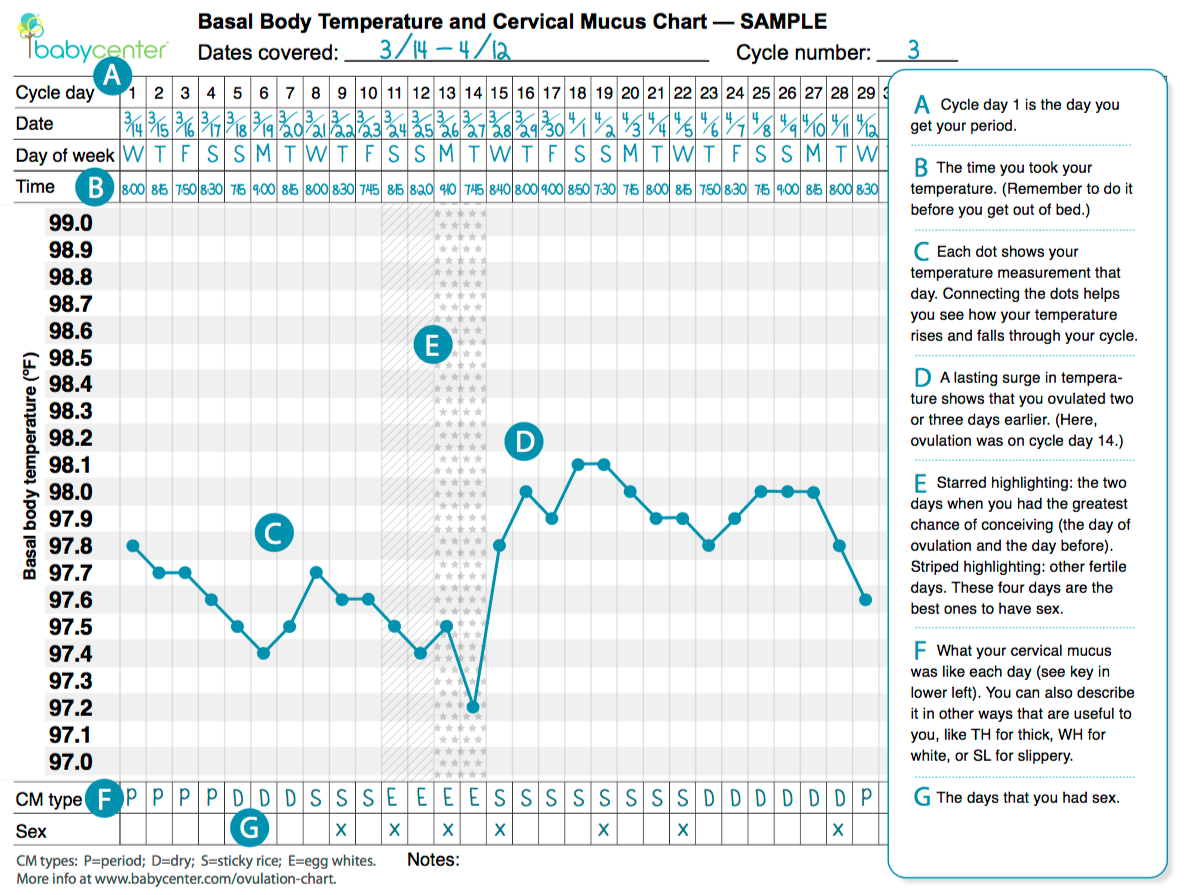
Get Pregnant Track Your Cycle Basal Body Temperature Charting Basics HolisticZen
Understanding Your Basal Body Temperature