The human body is a complex and fascinating system, and one of the most essential processes it undergoes is the digestion and absorption of nutrients from the food we eat. The journey of how food enters the body is a long and winding one, involving multiple organs and systems working together in harmony. From the moment we take a bite of food, our body begins to break it down into smaller and smaller components, extracting the nutrients and energy it needs to function.
The process of digestion is a vital one, and it’s essential to understand how it works in order to appreciate the importance of a healthy diet and lifestyle. When we eat, our body begins to break down the food into its constituent parts, including carbohydrates, proteins, and fats. This process involves a range of enzymes, acids, and other chemicals that work together to extract the nutrients from the food. As we follow the journey of how food enters the body, we’ll see how each stage of the digestive process plays a critical role in keeping us alive and healthy.
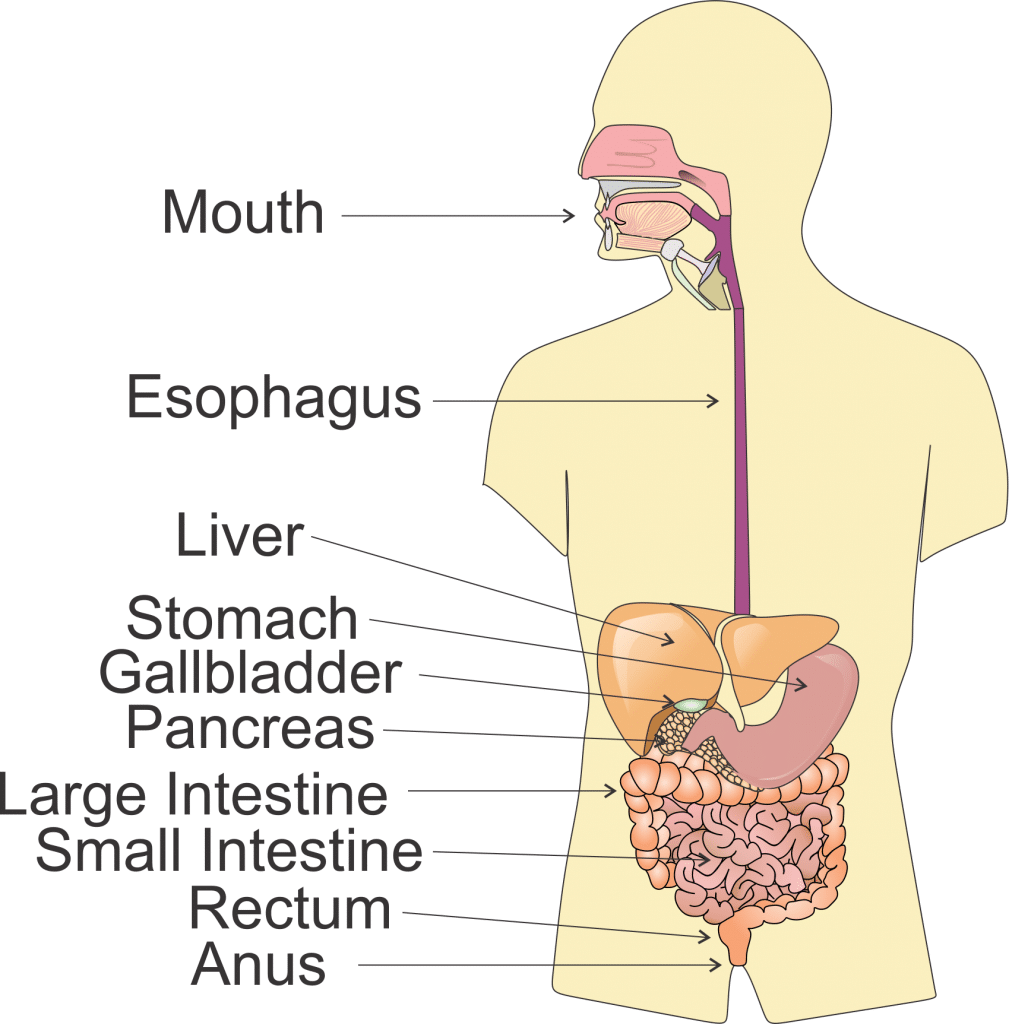
Section 5 The Digestive System NGS Magnified
The Mouth: Where Digestion Begins
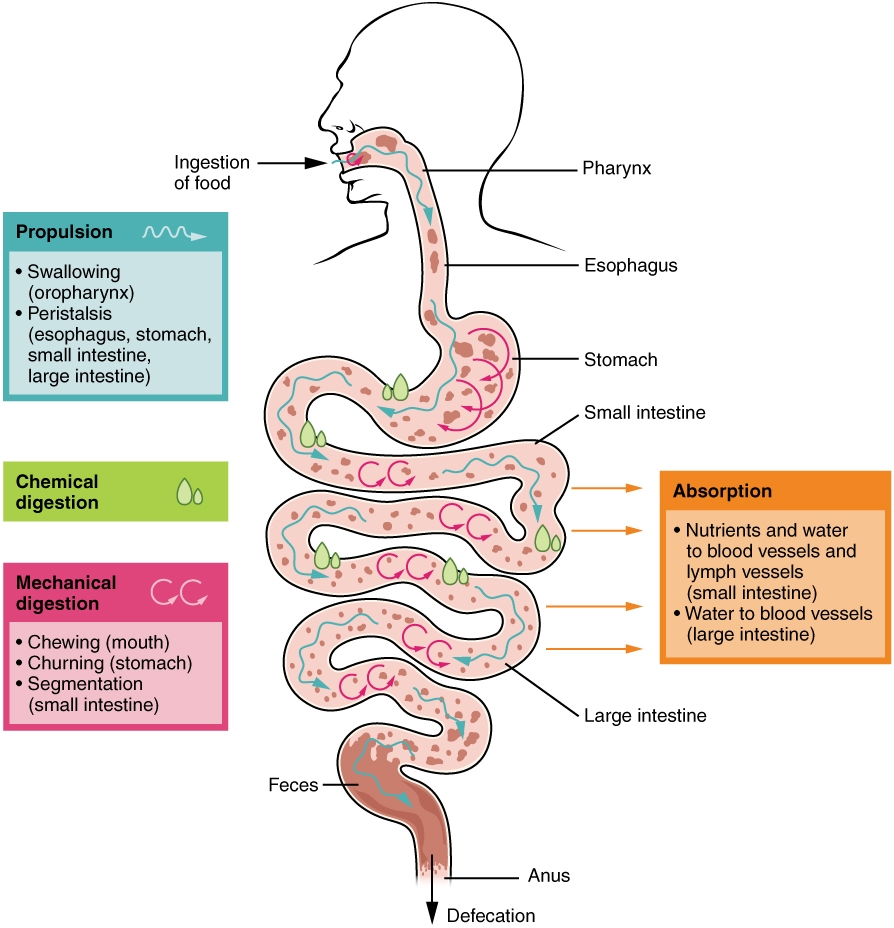
The mouth is the first stop on the journey of how food enters the body. Here, food is broken down into smaller pieces by the teeth, and mixed with saliva that contains enzymes to start the digestion process. The enzymes in saliva, such as amylase, begin to break down carbohydrates into simpler sugars, while the teeth grind and crush the food into a pulp. This process is crucial in preparing the food for the next stage of digestion, and it’s why chewing our food thoroughly is so important for good health.
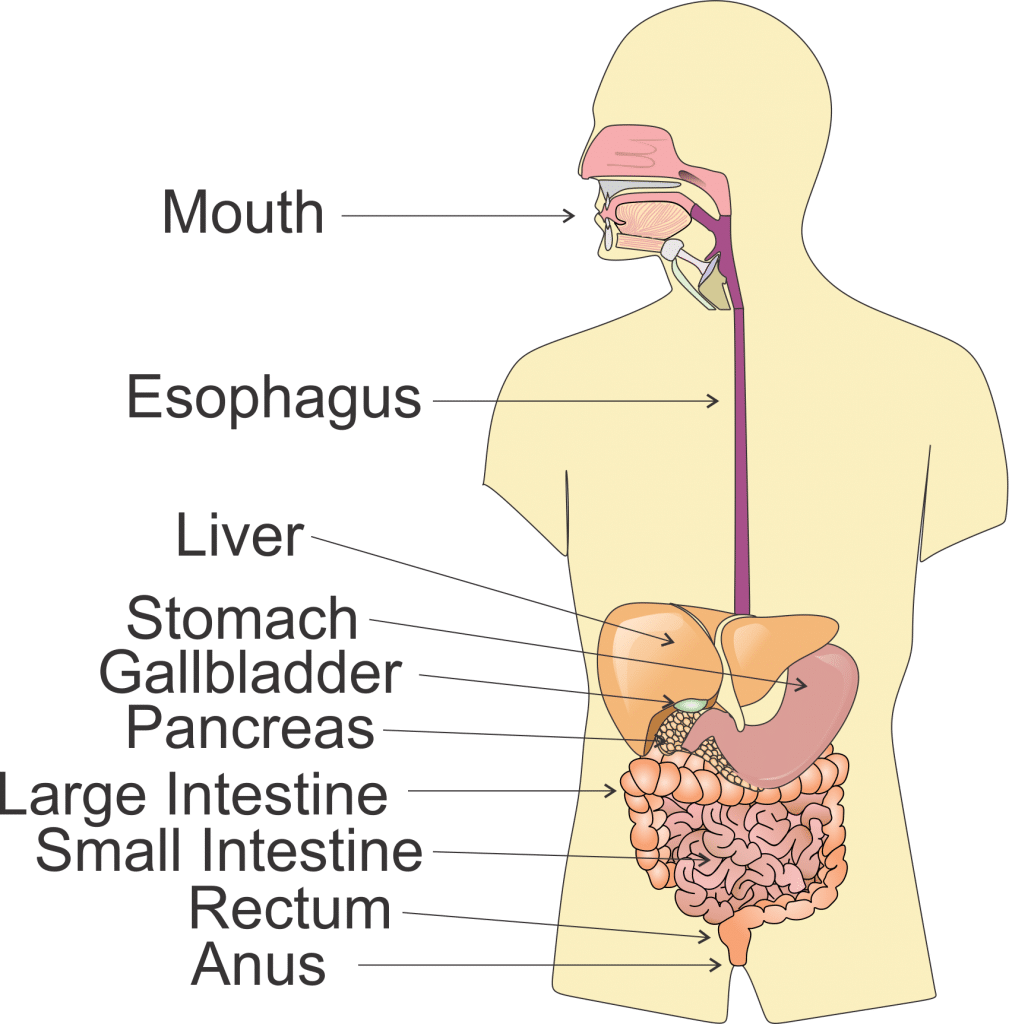
Section 5 The Digestive System NGS Magnified
The Esophagus and Stomach: Breaking Down Food
As food passes from the mouth into the esophagus and stomach, it enters a highly acidic environment that’s designed to break it down further. The stomach lining produces hydrochloric acid and digestive enzymes that work together to dissolve the food into a liquid mixture called chyme. This process can take several hours, depending on the type of food and the individual’s digestive system. The stomach muscles also churn and mix the food, ensuring that it’s well-coated with digestive enzymes and acid.
The Small Intestine: Absorbing Nutrients
The small intestine is where most of our nutrient absorption takes place. The walls of the small intestine are lined with finger-like projections called villi, which increase the surface area for absorption. As the partially digested food enters the small intestine, it’s mixed with bile from the liver and pancreatic juice that contains enzymes to break down carbohydrates, proteins, and fats. The nutrients are then absorbed into the bloodstream, where they can be carried to the liver for processing and distribution to the rest of the body.
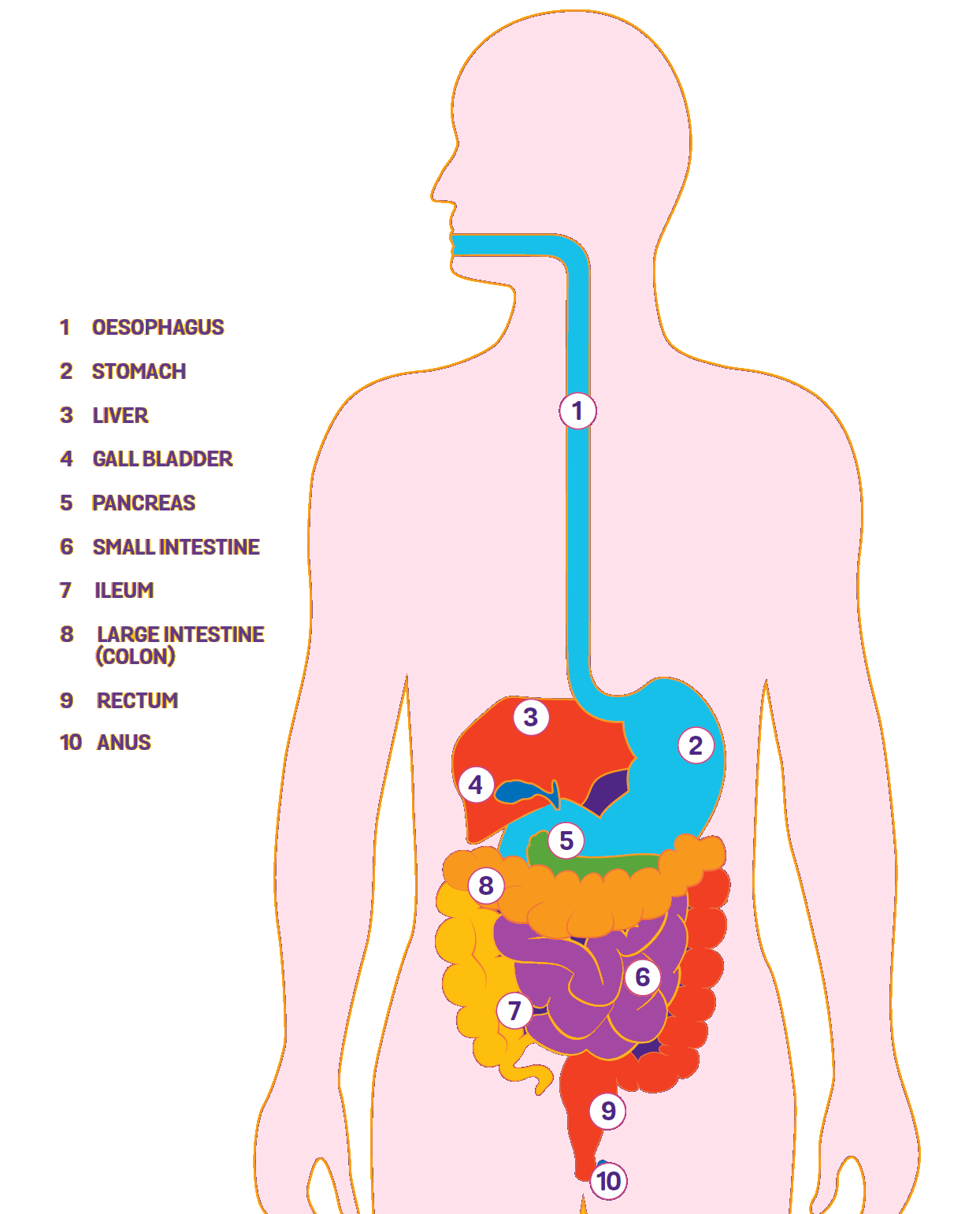
Digestive System And Its Function IBD Clinic
In conclusion, the human flow chart of how food enters the body is a complex and highly efficient process that’s essential for our survival. By understanding how each stage of the digestive process works, we can appreciate the importance of a healthy diet and lifestyle in maintaining good health. Whether it’s the mouth, esophagus, stomach, or small intestine, each part of the digestive system plays a critical role in extracting the nutrients and energy we need to live.
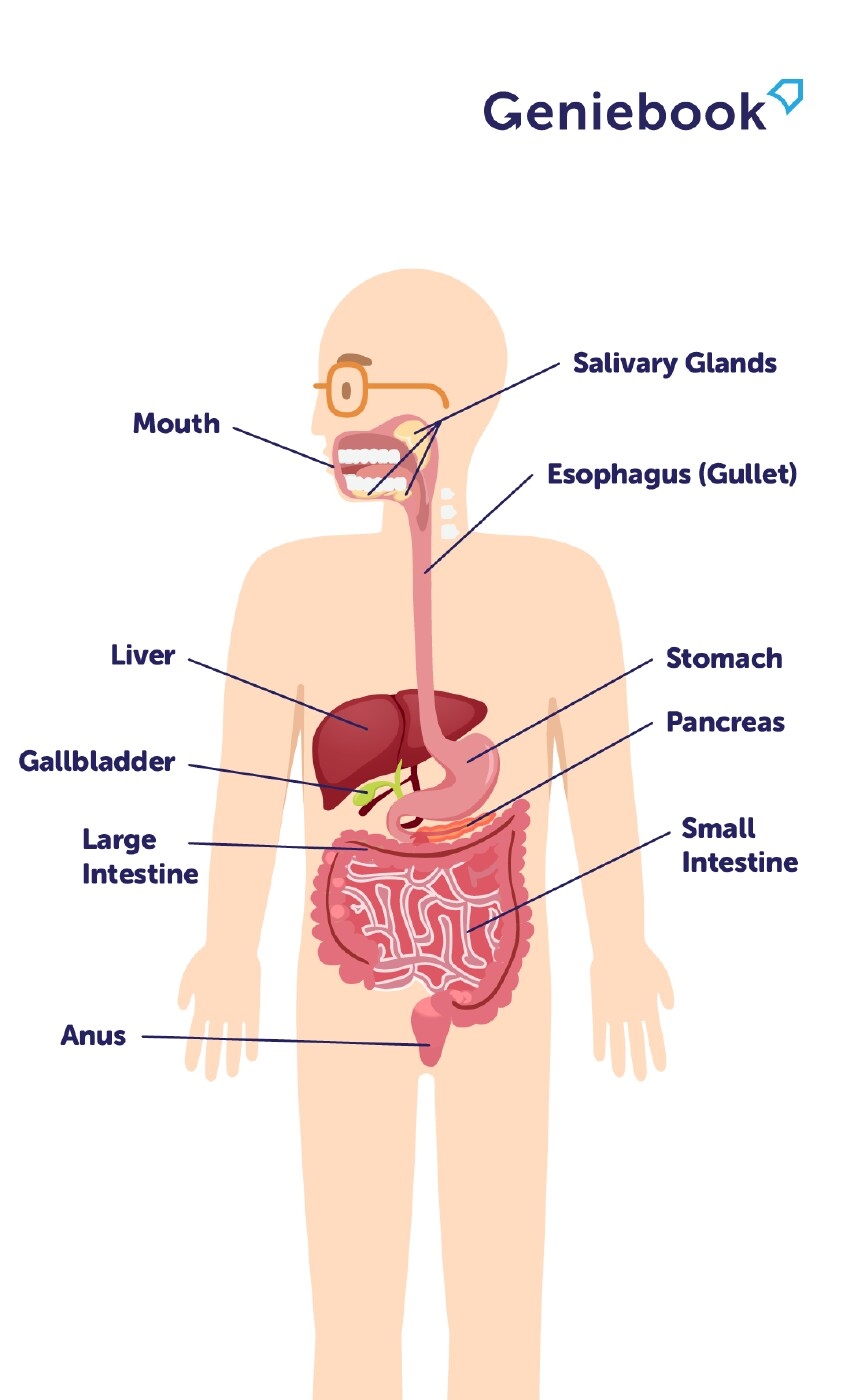
Digestive System Diagram Organs It S Functions Primary 3 Science
Anatomy Of The Digestive System Medical Terminology An Interactive Approach