Body temperature is a vital sign that indicates the overall health of an individual. It is measured in degrees Celsius or Fahrenheit and can fluctuate throughout the day. A normal body temperature ranges from 97.7°F to 99.5°F (36.5°C to 37.5°C). Any deviation from this range can be a sign of an underlying medical condition. Low body temperature, also known as hypothermia, occurs when the body temperature drops below 95°F (35°C).
Low body temperature can be caused by various factors, including exposure to cold environments, certain medical conditions, and the use of certain medications. It can also be a symptom of an underlying infection or illness. In some cases, low body temperature can be a life-threatening condition, especially in extreme cases where the body temperature drops below 90°F (32°C). Therefore, it is essential to monitor body temperature regularly and seek medical attention if it falls below the normal range.
What Is Considered A Normal Body Temperature
What is a Normal Body Temperature?
A normal body temperature is essential for the proper functioning of the body’s organs and systems. It is regulated by the hypothalamus, a small gland in the brain that acts as the body’s thermostat. The hypothalamus responds to changes in the body’s temperature by sending signals to the skin, muscles, and other organs to either generate or conserve heat. Understanding what constitutes a normal body temperature is crucial in identifying any deviations from the norm and taking prompt action to address them.
What Is Considered A Normal Body Temperature
Causes of Low Body Temperature
There are several causes of low body temperature, including exposure to cold environments, certain medical conditions, and the use of certain medications. For example, people who work outdoors in cold weather or engage in water sports are at risk of developing hypothermia. Certain medical conditions, such as hypothyroidism, diabetes, and anemia, can also cause low body temperature. Additionally, the use of certain medications, such as sedatives and antidepressants, can lower the body’s temperature.
Interpreting a Low Body Temperature Chart
A low body temperature chart is a useful tool for monitoring and tracking changes in body temperature over time. It typically consists of a graph or table that plots the body temperature against time. By using a low body temperature chart, individuals can identify patterns and trends in their body temperature and take proactive steps to address any deviations from the norm. This can be especially useful for people who are prone to hypothermia or have underlying medical conditions that affect their body temperature.
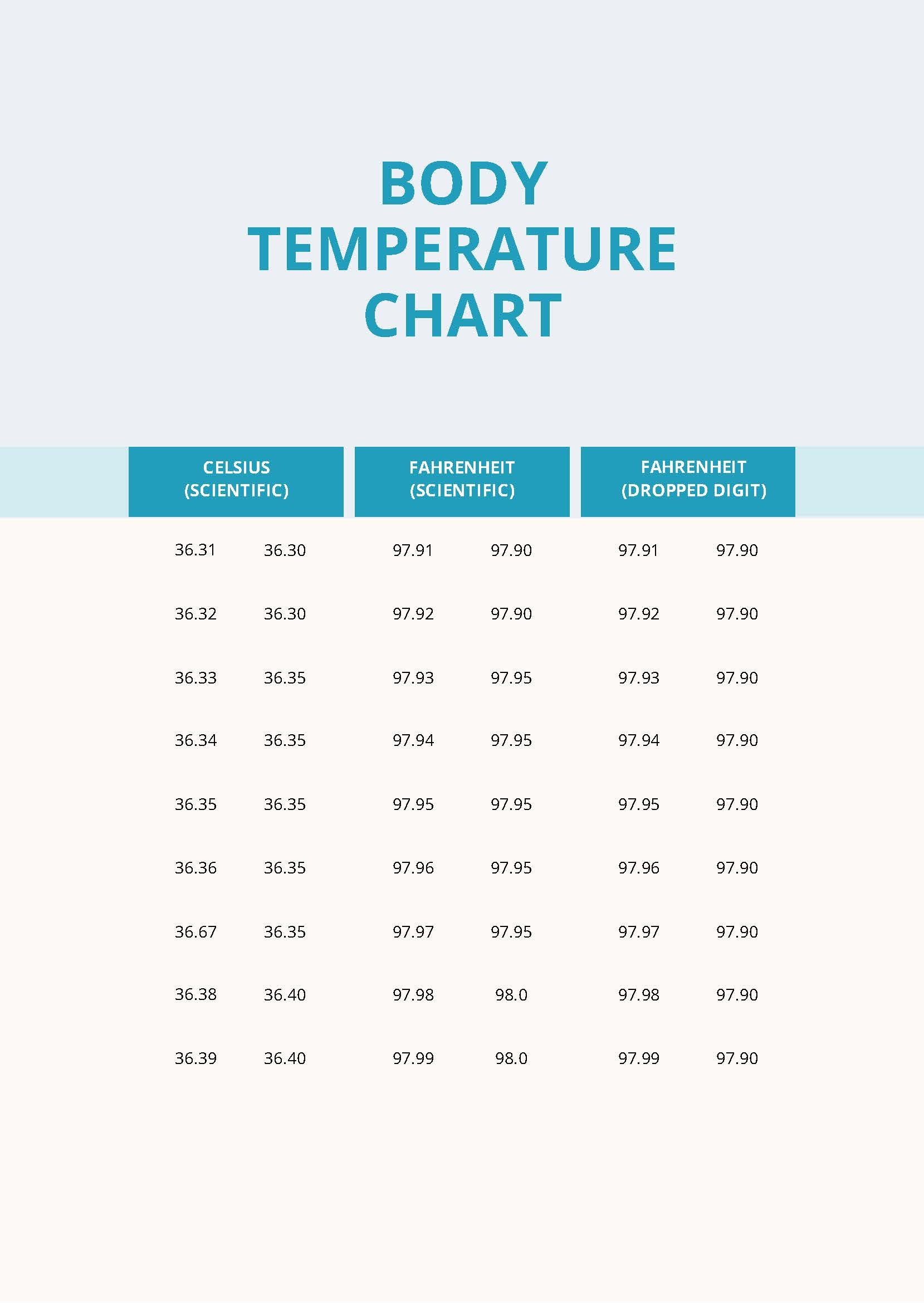
Body Temperature Chart In PDF Download Template
Interpreting a low body temperature chart requires a basic understanding of how to read the graph or table. The chart typically shows the body temperature in degrees Celsius or Fahrenheit on the y-axis and the time of day on the x-axis. By analyzing the chart, individuals can identify any fluctuations in their body temperature and take corrective action to address them. For example, if the chart shows a consistent drop in body temperature at a certain time of day, it may indicate an underlying medical condition that requires attention.
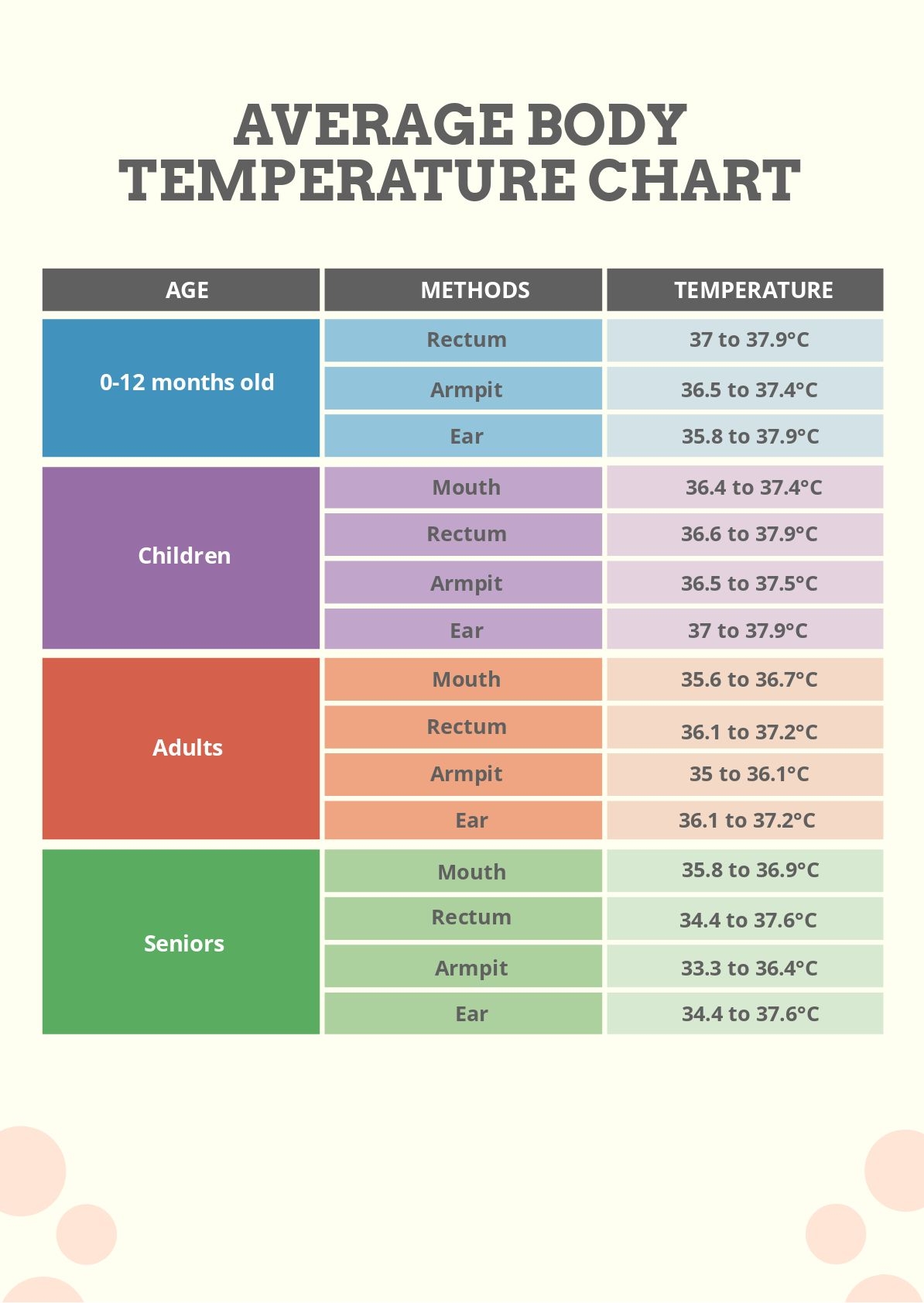
Average Body Temperature Chart In PDF Download Template
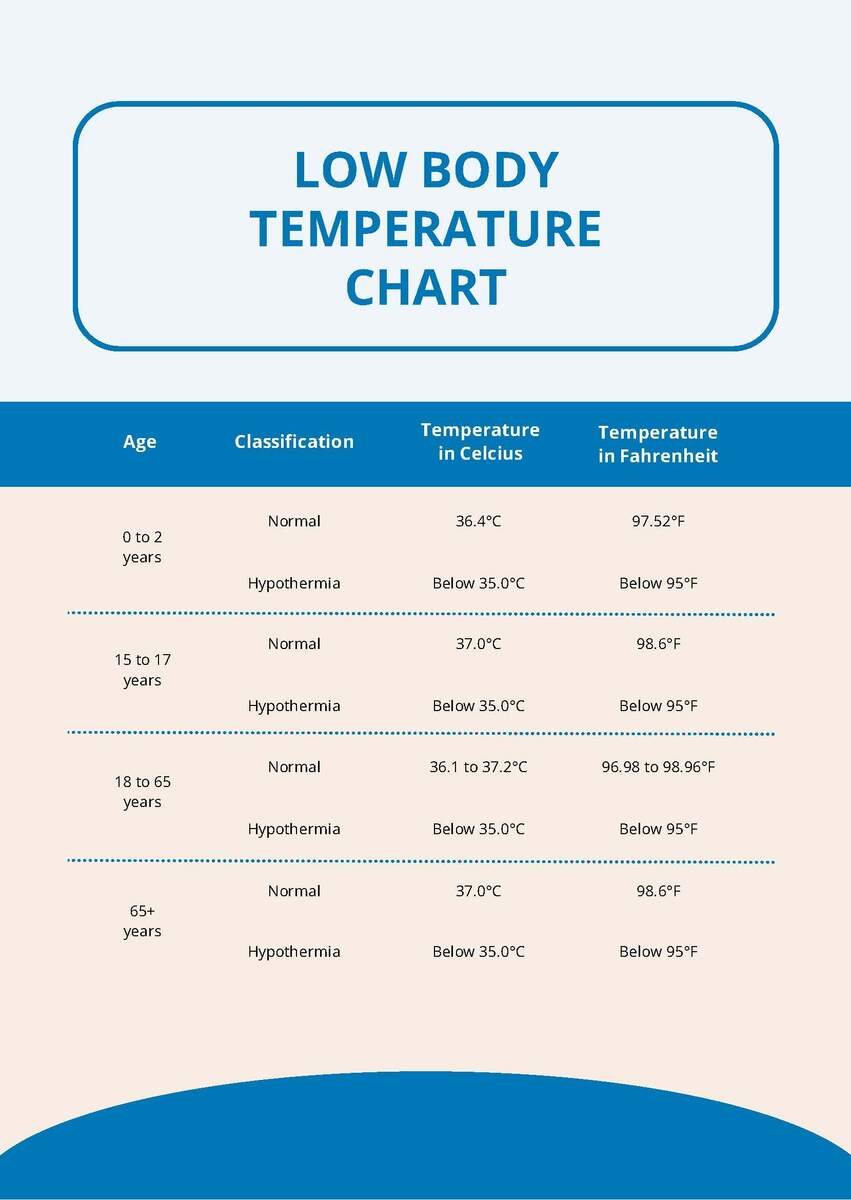
Low Body Temperature Chart In PDF Download Template