Pain is a complex and subjective experience that can be challenging to diagnose and treat. Healthcare professionals rely on various tools and techniques to assess and manage pain effectively. One such tool is the pain assessment body chart, which plays a crucial role in understanding the location, intensity, and characteristics of pain. By using a pain assessment body chart, healthcare professionals can gather valuable information about a patient’s pain, leading to more accurate diagnoses and effective treatment plans.
The pain assessment body chart is a simple yet powerful tool that helps healthcare professionals to visualize and document a patient’s pain. It typically consists of a diagram of the human body, allowing patients to identify the areas where they are experiencing pain. This information can be used to identify patterns and correlations between different symptoms, enabling healthcare professionals to develop more targeted and effective treatment plans. Moreover, the pain assessment body chart can be used in conjunction with other assessment tools, such as pain intensity scales and questionnaires, to gain a more comprehensive understanding of a patient’s pain.
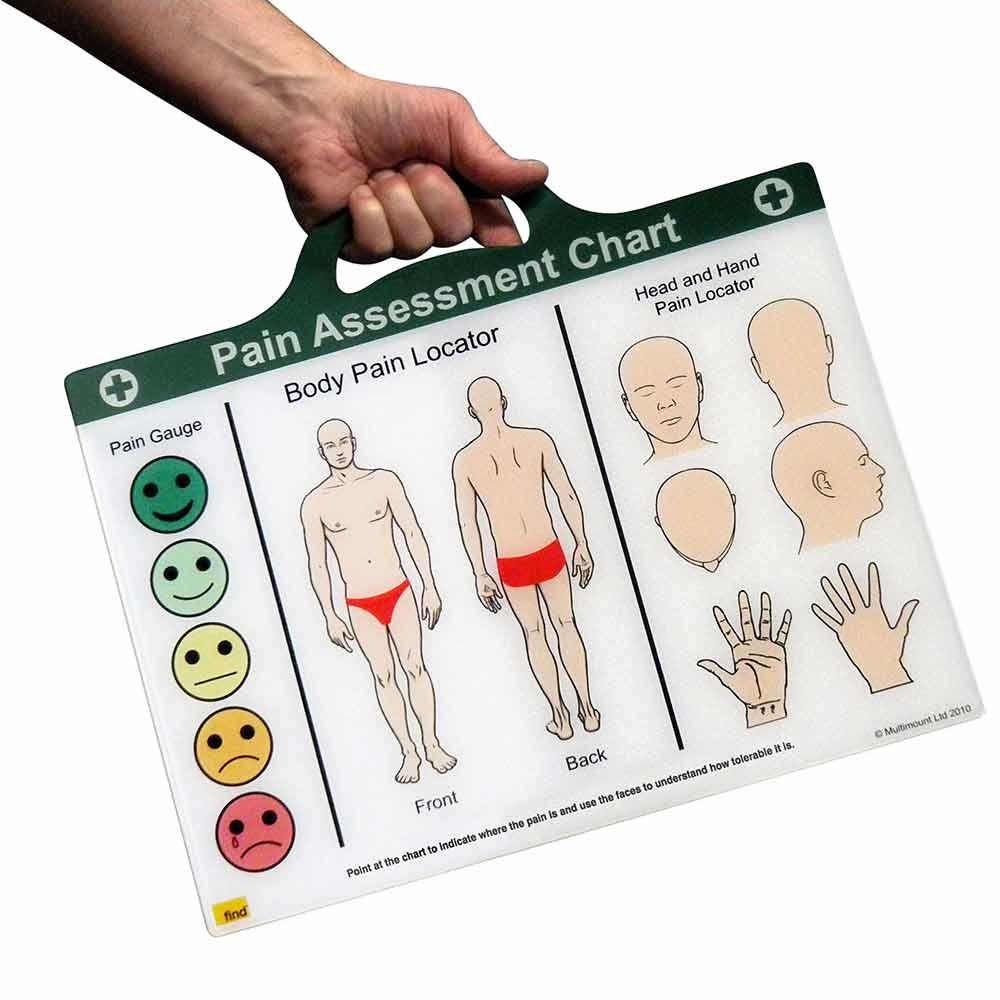
Pain Assessment Chart
What is a Pain Assessment Body Chart?
A pain assessment body chart is a visual tool used to help patients communicate their pain to healthcare professionals. It is usually a diagram of the human body, with different areas marked to indicate the location of pain. Patients can use the chart to identify the areas where they are experiencing pain, and can also indicate the intensity and characteristics of their pain. This information can be used to help healthcare professionals understand the patient’s pain and develop an effective treatment plan. The pain assessment body chart can be used in a variety of settings, including hospitals, clinics, and private practices.
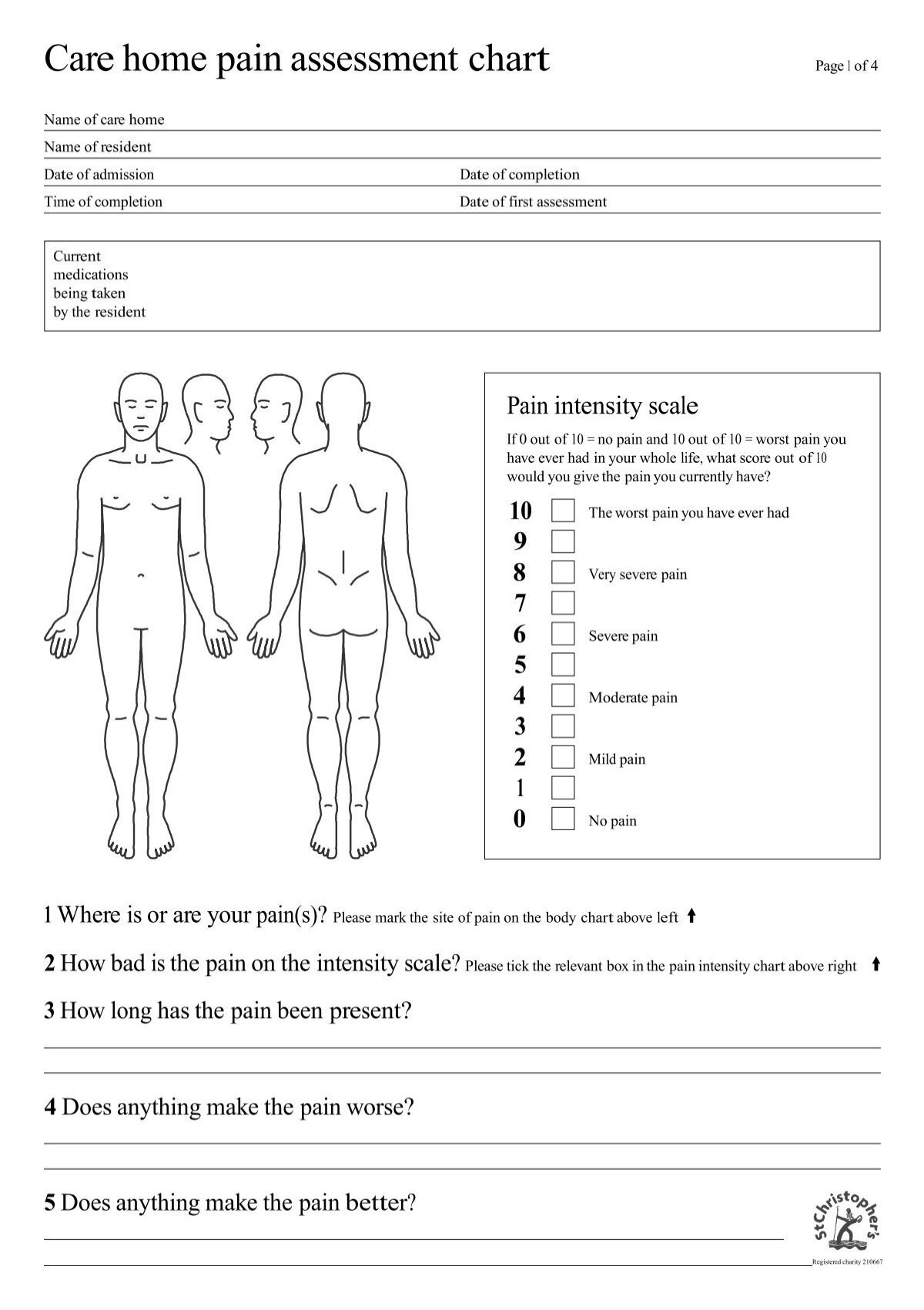
Care Home Pain Assessment Chart
Benefits of Using a Pain Assessment Body Chart
The benefits of using a pain assessment body chart are numerous. It allows healthcare professionals to quickly and easily identify the location and intensity of a patient’s pain, which can help to speed up the diagnosis and treatment process. Additionally, the pain assessment body chart can help to reduce errors and miscommunications, as it provides a clear and visual representation of the patient’s pain. This can lead to more effective treatment plans and better patient outcomes. Furthermore, the pain assessment body chart can be used to monitor changes in a patient’s pain over time, allowing healthcare professionals to adjust treatment plans as needed.
How to Use a Pain Assessment Body Chart
Using a pain assessment body chart is a straightforward process. Healthcare professionals can provide the chart to the patient and ask them to identify the areas where they are experiencing pain. The patient can then use the chart to indicate the location, intensity, and characteristics of their pain. The healthcare professional can then use this information to develop a treatment plan and monitor the patient’s progress over time. The pain assessment body chart can be used in conjunction with other assessment tools, such as pain intensity scales and questionnaires, to gain a more comprehensive understanding of the patient’s pain. By using a pain assessment body chart, healthcare professionals can provide more effective and targeted care to their patients.
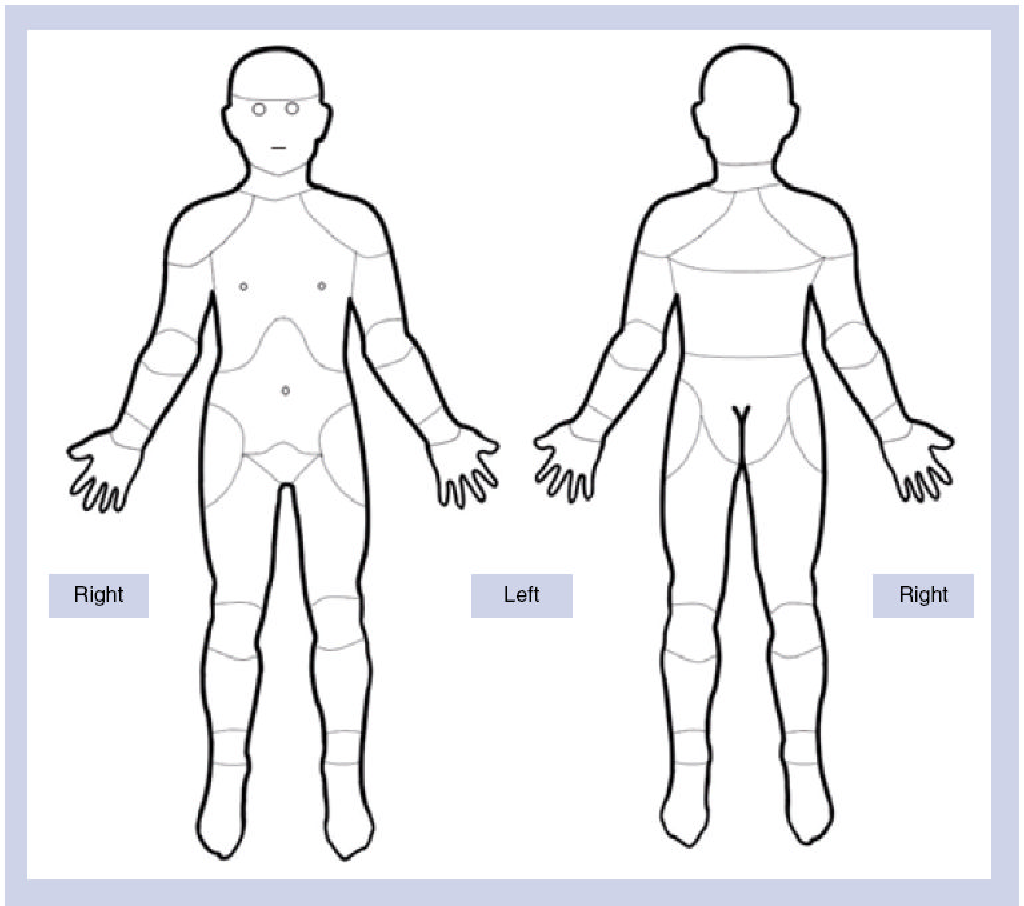
Figure 1 From Pain Charts Body Maps Or Manikins In Assessment Of The Location Of Pediatric Pain Semantic Scholar
In conclusion, the pain assessment body chart is a valuable tool in the diagnosis and treatment of pain. It provides a clear and visual representation of a patient’s pain, allowing healthcare professionals to develop more effective treatment plans. By using a pain assessment body chart, healthcare professionals can improve patient outcomes, reduce errors and miscommunications, and provide more targeted and effective care. As the healthcare industry continues to evolve, the use of pain assessment body charts is likely to become even more widespread, leading to better pain management and improved patient care.
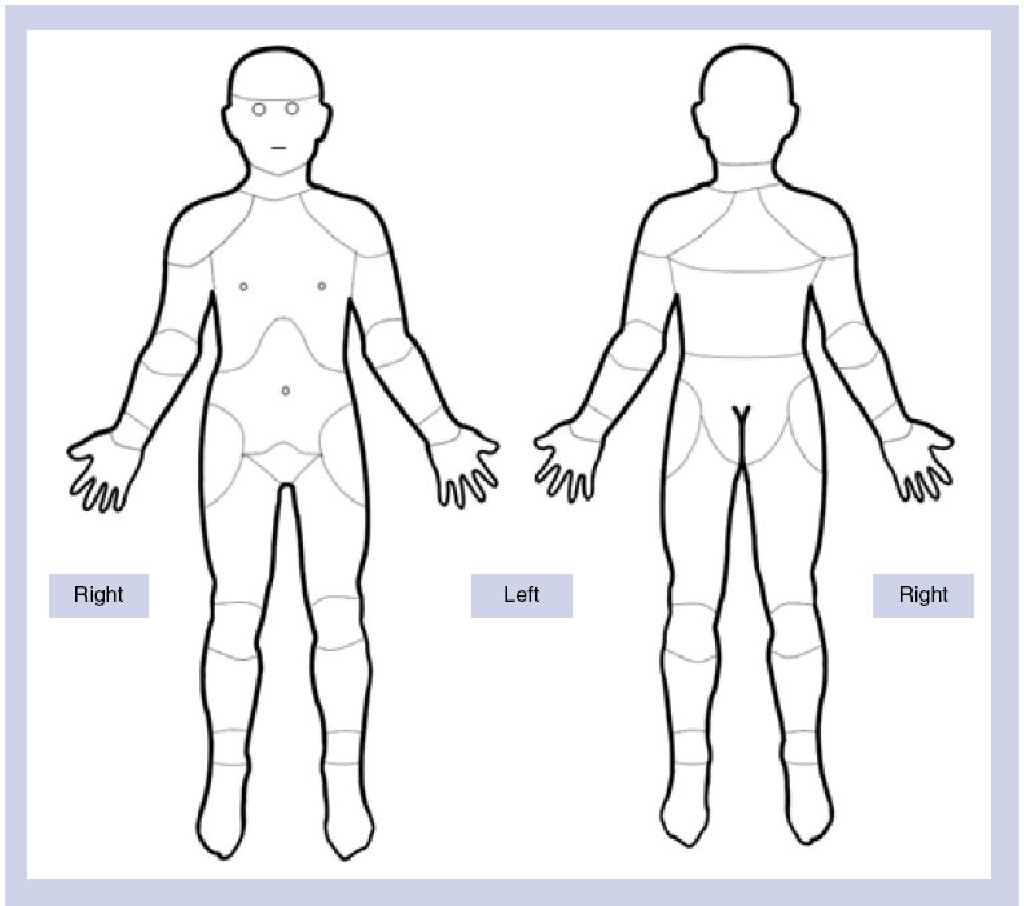
Figure 1 From Pain Charts Body Maps Or Manikins In Assessment Of The Location Of Pediatric Pain Semantic Scholar
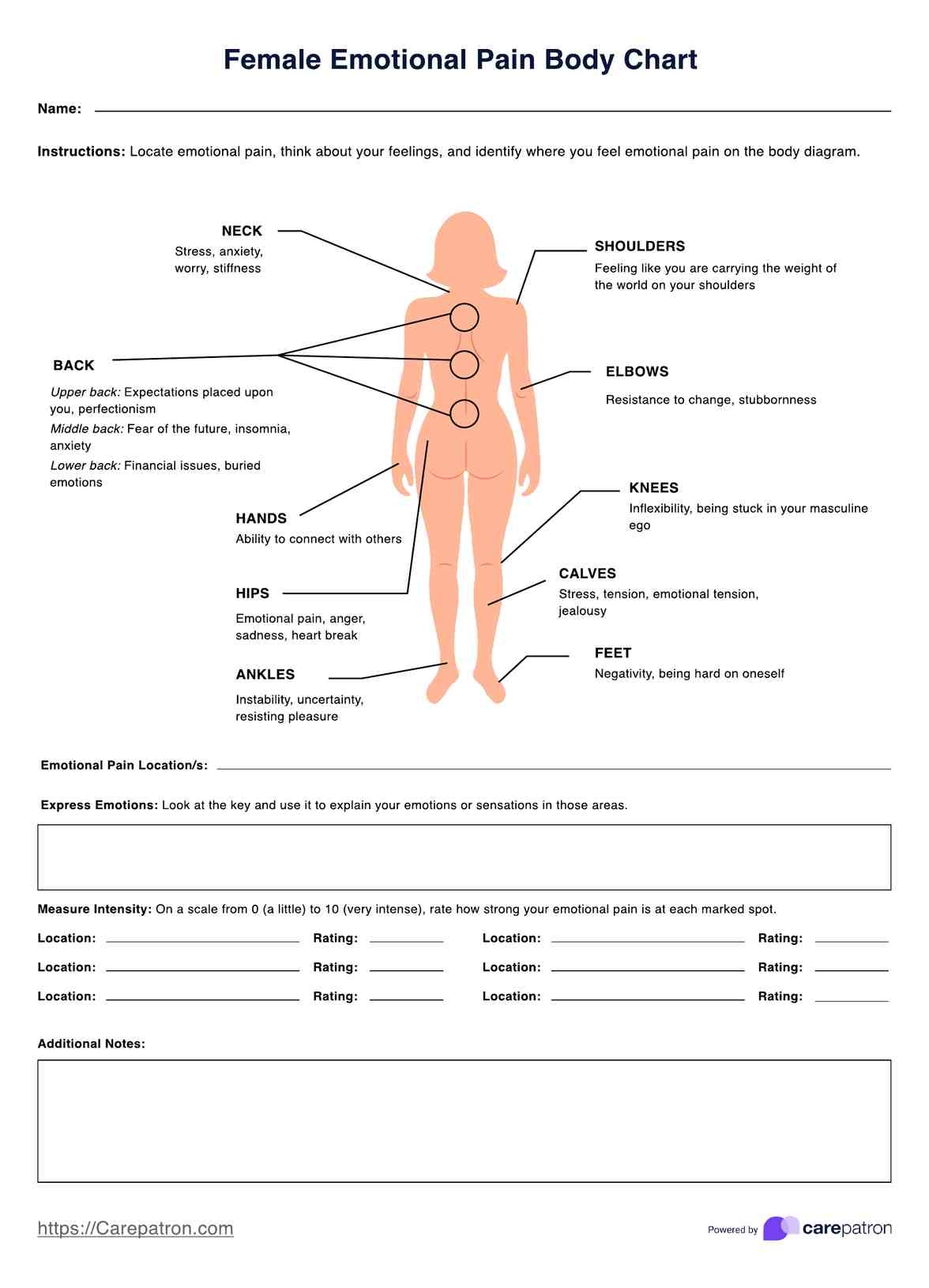
Female Emotional Pain Body Charts